What is Acetate Fabric?
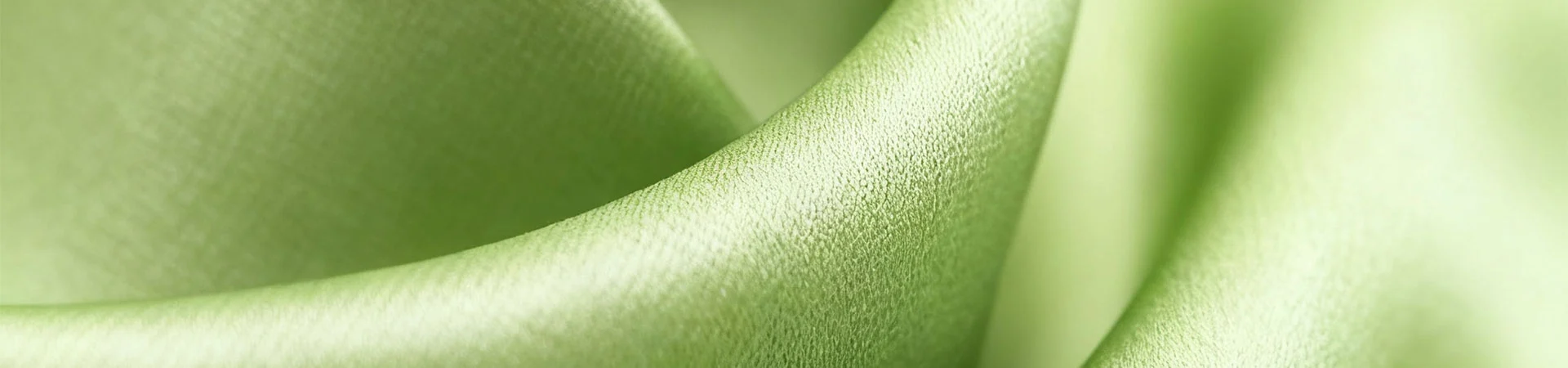
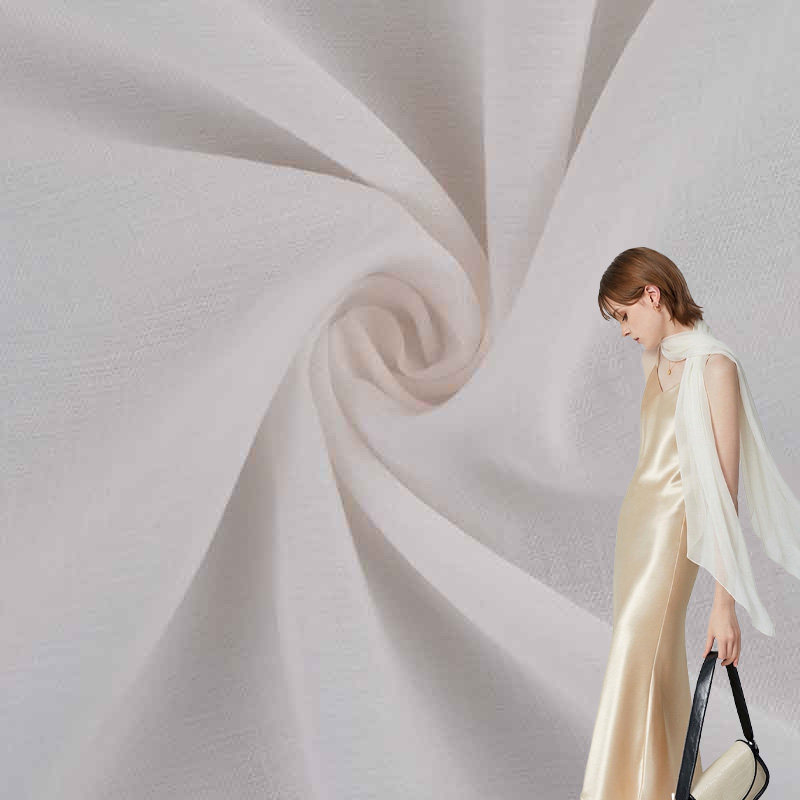
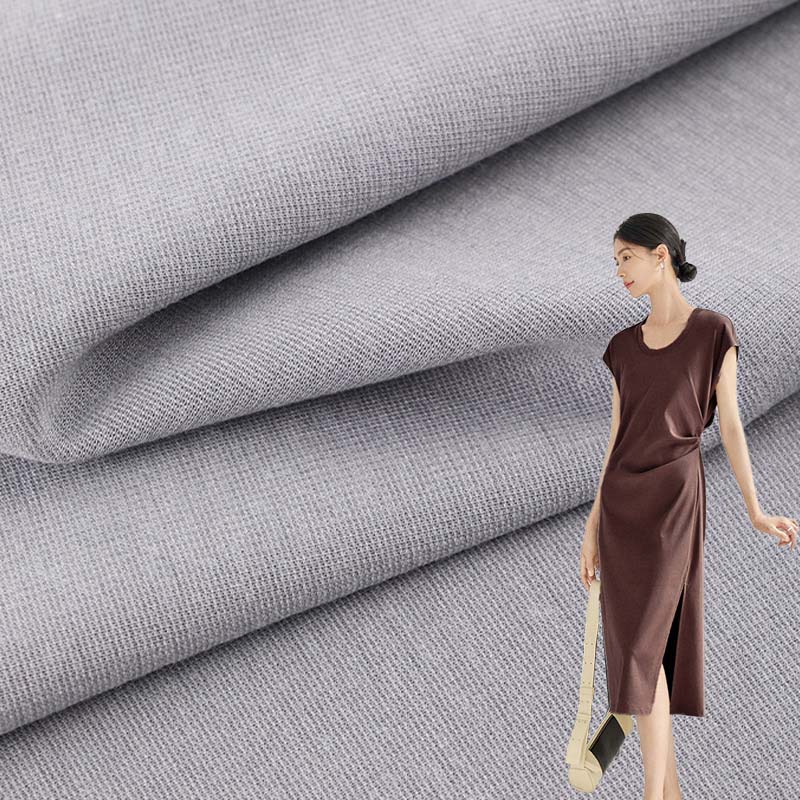
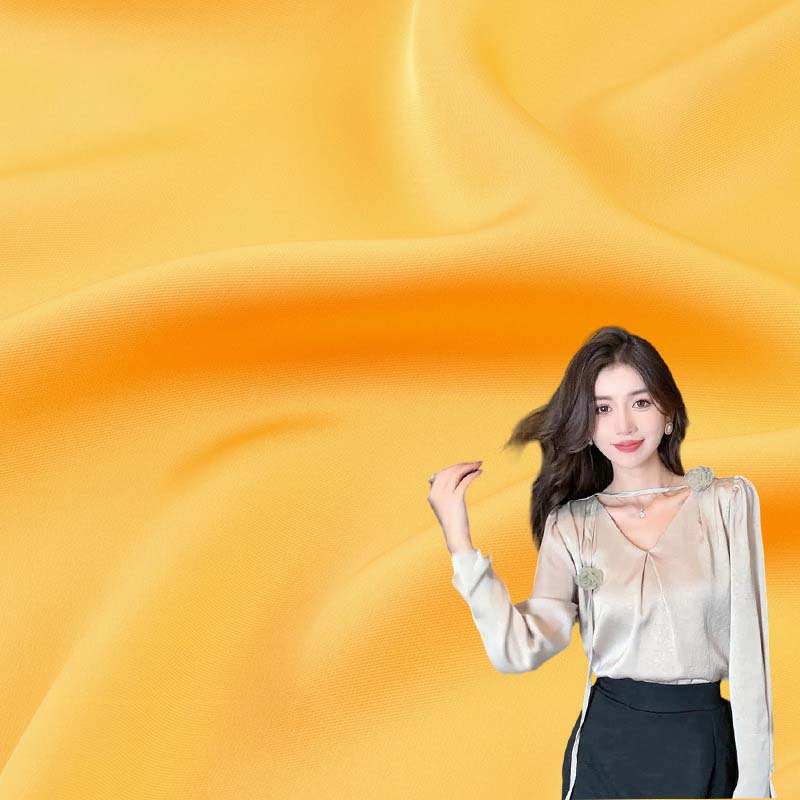
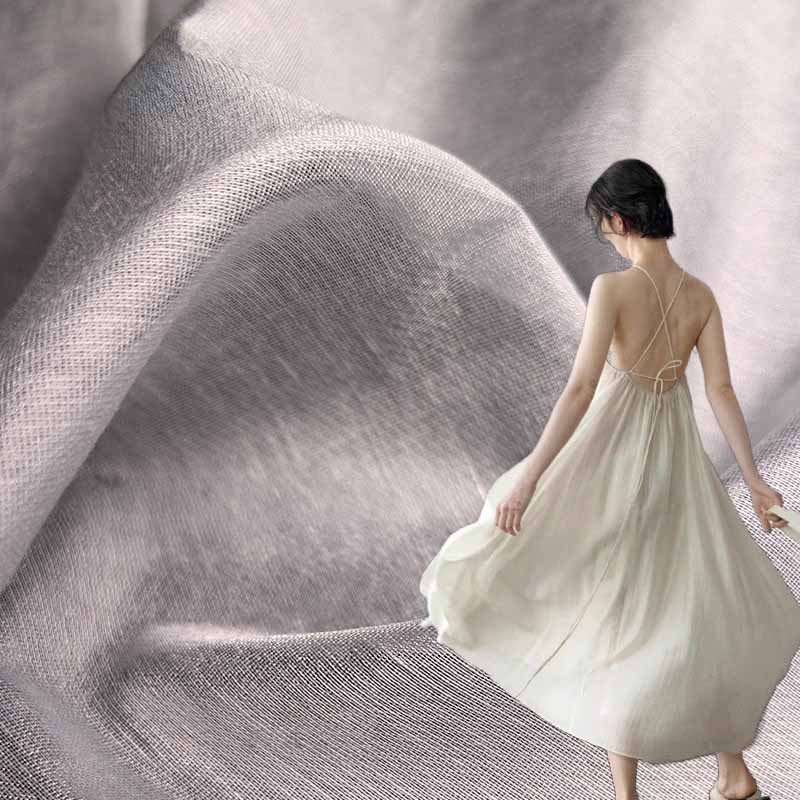
Acetate fabric is a semi-synthetic material derived from cellulose and acetic acid, valued for its silk-like appearance and luxurious drape. It is a popular choice in fashion and home decor due to its aesthetic appeal and functional properties. Also known as cellulose acetate, this fabric is widely used in linings, evening wear, and accessories. Its ability to mimic silk while being more affordable makes it a preferred material for designers and manufacturers.
Key Features of Acetate Fabric
-
Silky Feel and Appearance: Provides a lustrous, smooth surface that resembles silk.
-
Excellent Drape: Flows beautifully, making it ideal for garments like dresses and skirts.
-
Lightweight and Breathable: Comfortable to wear in various climates.
-
Moisture Absorption: Wicks moisture away from the body, enhancing comfort.
-
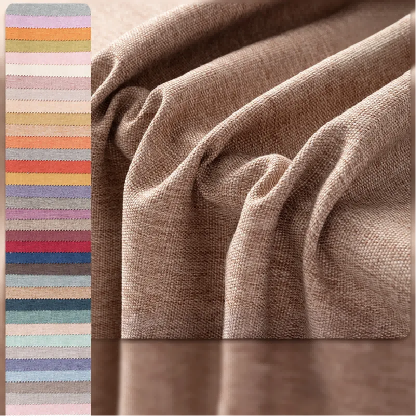
Dye Affinity: Accepts dyes well, resulting in vibrant and rich colors.
-
Resistant to Shrinking and Mildew: Maintains shape and durability over time.
-
Affordable Luxury: Offers a high-end look at a lower cost compared to natural silk.
Detailed Product Parameters
Here are the technical specifications and parameters of Acetate fabric, presented for professionals and buyers:
|
Parameter
|
Description
|
Typical Range
|
|
Fiber Composition
|
Made from cellulose acetate, a semi-synthetic polymer.
|
100% Acetate or Blends (e.g., with Rayon, Nylon)
|
|
Fabric Weight
|
Measured in grams per square meter (GSM) or ounces per square yard (oz/yd²).
|
70-150 GSM (Light to Medium Weight)
|
|
Width
|
Standard fabric width for cutting and sewing.
|
44-60 inches (112-152 cm)
|
|
Weave Type
|
Common weaves used in acetate textiles.
|
Satin, Twill, Plain Weave
|
|
Tensile Strength
|
Resistance to breaking under tension.
|
Moderate (Lower than synthetic fibers like polyester)
|
|
Elongation at Break
|
Ability to stretch before breaking.
|
25-35%
|
|
Moisture Regain
|
Percentage of moisture absorbed under standard conditions.
|
6.5%
|
|
Thermal Stability
|
Performance under heat; melting point.
|
Melts at approx. 230°C (446°F)
|
|
Dyeing Method
|
Common techniques for coloring acetate fabric.
|
Disperse Dyes, Solution Dyeing
|
|
Shrinkage
|
Percentage of shrinkage after washing.
|
Less than 3% (if properly cared for)
|
|
Care Instructions
|
Recommended cleaning methods.
|
Dry Clean Only or Hand Wash in Cold Water
|
Common Uses of Acetate Fabric
-
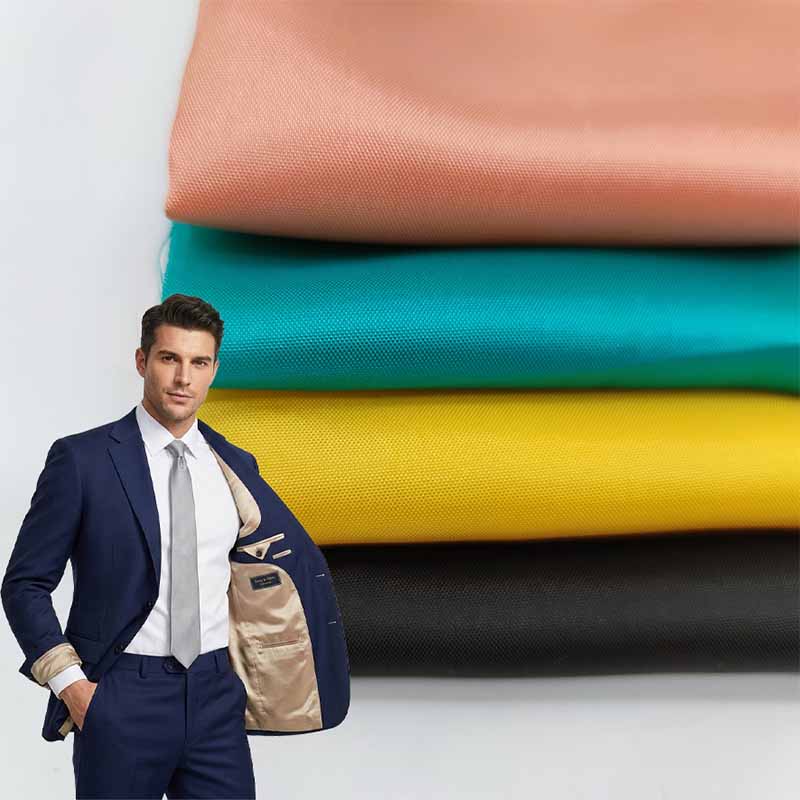
Apparel: Lining for suits, jackets, and coats; evening gowns; blouses; scarves; and ties.
-
Home Textiles: Draperies, upholstery, and decorative pillows due to its draping quality and sheen.
-
Accessories: Ribbons, hat bands, and fashion accessories that require a luxurious finish.
-
Technical Applications: Used in some filters and industrial fabrics where chemical resistance is needed.
Advantages and Disadvantages
When selecting Acetate fabric, it's essential to weigh its pros and cons:
Advantages:
-
Cost-Effective Alternative to Silk: Provides a similar luxurious look without the high price.
-
Good Drape and Luster: Enhances the aesthetic of garments and decor.
-
Hypoallergenic Properties: Generally safe for sensitive skin.
-
Quick Drying: Absorbs and releases moisture efficiently.
-
Eco-Friendly Aspects: Biodegradable under certain conditions, as it's derived from wood pulp.
Disadvantages:
-
Low Abrasion Resistance: Can wear out quickly with friction.
-
Weak When Wet: Loses strength when exposed to water, requiring careful handling.
-
Heat Sensitivity: Prone to melting under high iron temperatures.
-
Limited Washability: Often requires dry cleaning to maintain integrity.
-
Environmental Concerns: Production involves chemicals, though it is more sustainable than fully synthetic fibers.
Frequently Asked Questions (FAQs) About Acetate Fabric
What is acetate fabric made from?
Acetate fabric is made from cellulose, typically sourced from wood pulp, which is then chemically treated with acetic acid to create cellulose acetate. This semi-synthetic fiber is spun into yarns and woven or knitted into fabric, offering a silk-like texture and appearance.
Is acetate fabric breathable?
Yes, acetate fabric is breathable due to its cellulose base, which allows air circulation and moisture absorption. This makes it comfortable to wear in various temperatures, though it may not be as breathable as natural fibers like cotton or linen.
How should I care for acetate garments?
Acetate garments should typically be dry cleaned to prevent damage, as they can weaken when wet. If hand washing is necessary, use cold water and a mild detergent, then air dry away from direct heat. Avoid wringing or twisting the fabric, and iron on a low heat setting with a pressing cloth.
Can acetate fabric be dyed?
Yes, acetate fabric can be dyed effectively, often using disperse dyes that bond well with the fiber. It holds vibrant colors and is commonly used in fashion for its rich dye results. However, follow care instructions to prevent color fading.
Is acetate environmentally friendly?
Acetate has some eco-friendly attributes, as it is biodegradable under specific conditions and derived from renewable wood sources. However, the production process involves chemicals like acetic anhydride, which can have environmental impacts. It is generally considered more sustainable than fully synthetic fibers but less so than organic natural fibers.
What are the common blends for acetate fabric?
Acetate is often blended with other fibers to enhance its properties. Common blends include acetate with rayon for improved durability and softness, acetate with nylon for added strength, and acetate with polyester to increase resistance to wrinkles and abrasion.
Does acetate fabric shrink?
Acetate fabric has minimal shrinkage if properly cared for, typically less than 3%. To avoid shrinkage, follow care labels strictly, such as dry cleaning or gentle hand washing in cold water, and avoid high heat during drying or ironing.
Is acetate suitable for upholstery?
Yes, acetate is suitable for upholstery in low-traffic areas due to its elegant drape and sheen. However, it may not be ideal for high-use furniture because of its lower abrasion resistance. It is commonly used in decorative pillows and draperies where durability is less critical.
How does acetate compare to rayon?
Acetate and rayon are both semi-synthetic fibers from cellulose, but acetate is more silk-like with better drape and luster, while rayon is often softer and more absorbent. Acetate is less durable when wet and typically requires dry cleaning, whereas some rayons can be machine washed. Both are affordable alternatives to silk.
Can I iron acetate fabric?
Yes, you can iron acetate fabric, but use a low heat setting and place a pressing cloth between the iron and the fabric to prevent melting or shine marks. Avoid steam ironing if the care label advises against it, and always test on a small, hidden area first.