While often hidden from view, lining fabric is a critical component that dictates the comfort, durability, and silhouette of countless garments and products. From the sleek interior of a tailored blazer to the robust inner layer of a technical backpack, this unsung hero of the textile world is gaining renewed attention for its role in merging quality with functionality.
The primary purpose of lining is to provide a smooth, comfortable layer against the skin, preventing irritation from coarse outer materials like wool. It also enhances a garment's structure, allowing it to drape elegantly and maintain its shape over time. Beyond aesthetics, a quality lining extends the life of clothing by absorbing sweat and reducing friction and wear on the outer fabric.
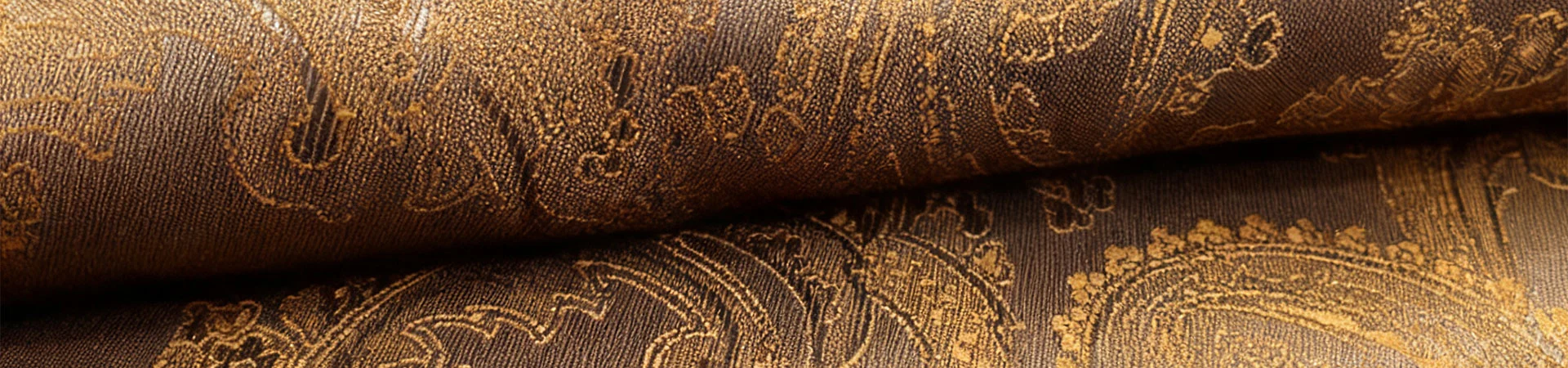
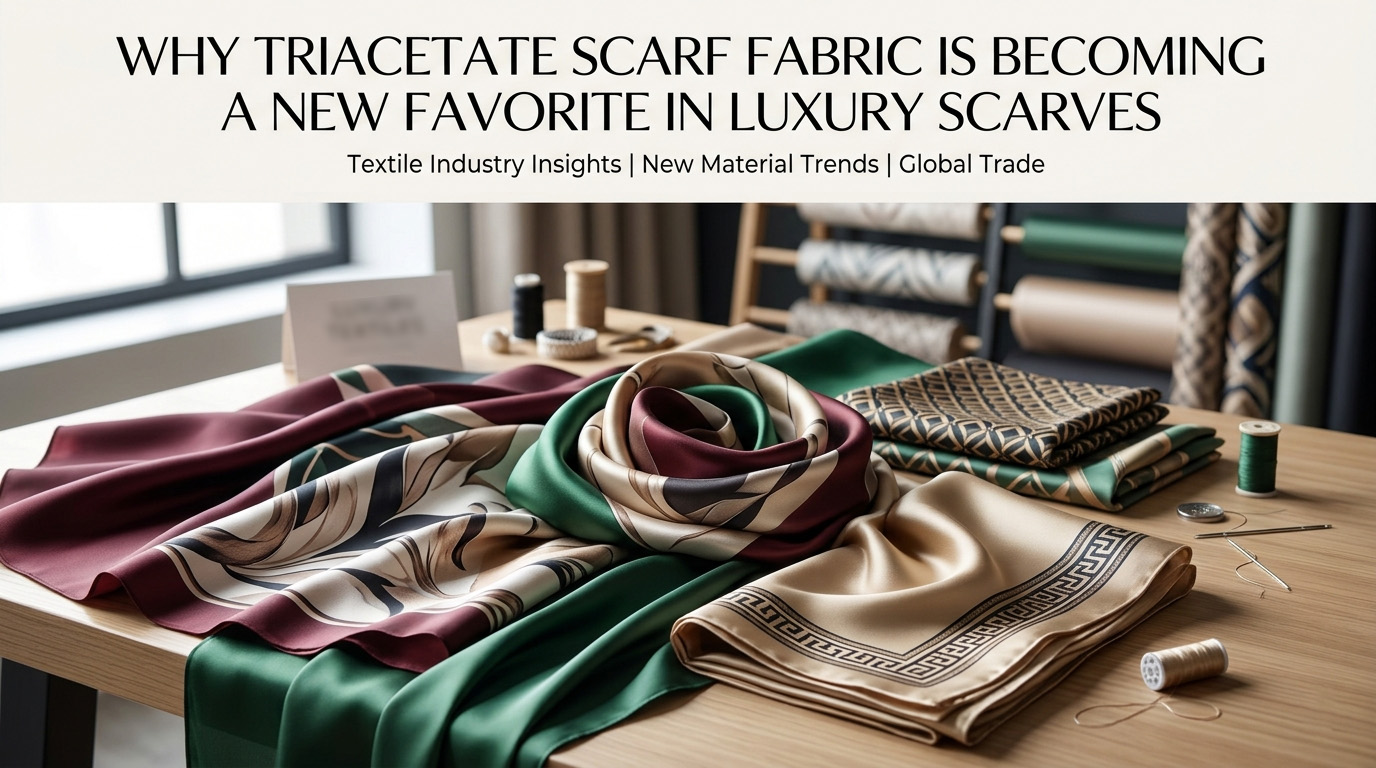
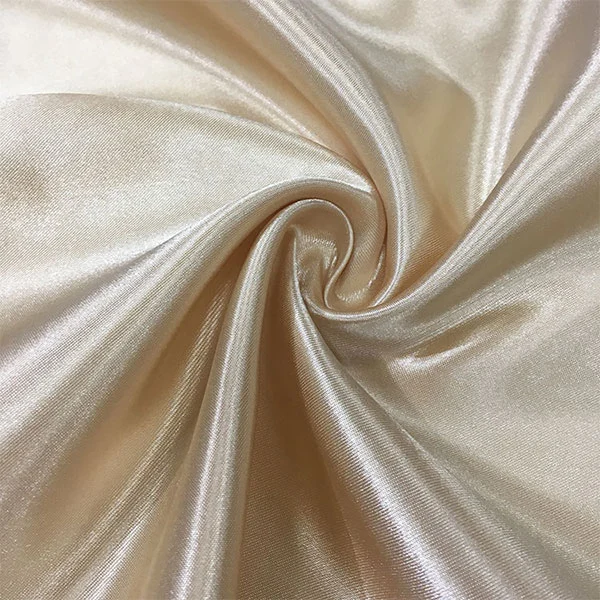
The market offers a diverse range of lining materials, each serving a specific need. For decades, rayon and acetate have been popular for their silky feel and excellent drape in high-street fashion. However, a significant shift is underway driven by consumer demand for sustainability. Recycled polyester linings, made from post-consumer plastic bottles, are becoming a mainstream choice for eco-conscious brands. In the luxury sector, natural fibers like silk and cotton remain the gold standard for their breathability and superior comfort, though their higher cost and care requirements limit them to premium segments.
The innovation in lining fabrics is particularly pronounced in performance and outdoor wear. Here, advanced membranes with moisture-wicking and waterproof-breathable properties are integrated as linings. These technical textiles actively pull perspiration away from the body while blocking external moisture, a crucial feature for athletes and adventurers. This functional demand underscores the lining's evolution from a mere covering to an active contributor to performance.
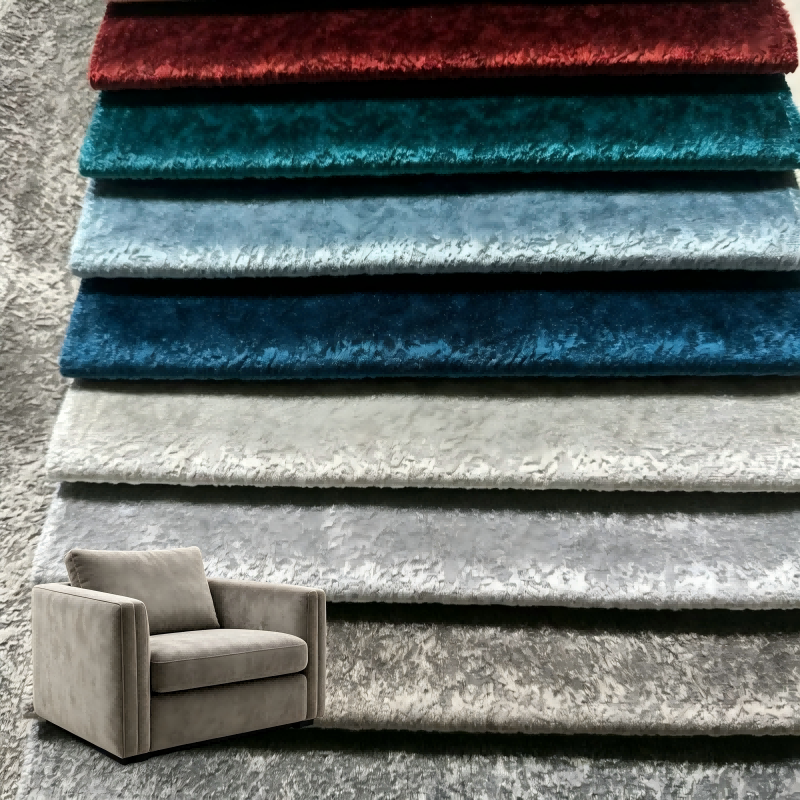
The industrial applications of lining materials are equally vital. In furniture and automotive interiors, durable linings provide structure and a finished look to upholstery. The luggage and bag industry relies on sturdy, often coated, lining fabrics to protect contents and reinforce the product's overall integrity against heavy use.
As the fashion and manufacturing industries continue to focus on quality, longevity, and specialized function, the importance of selecting the right lining fabric has never been clearer. No longer an afterthought, this inner layer is now recognized as a fundamental element in creating products that are not only beautiful and stylish but also built to last and perform.
-