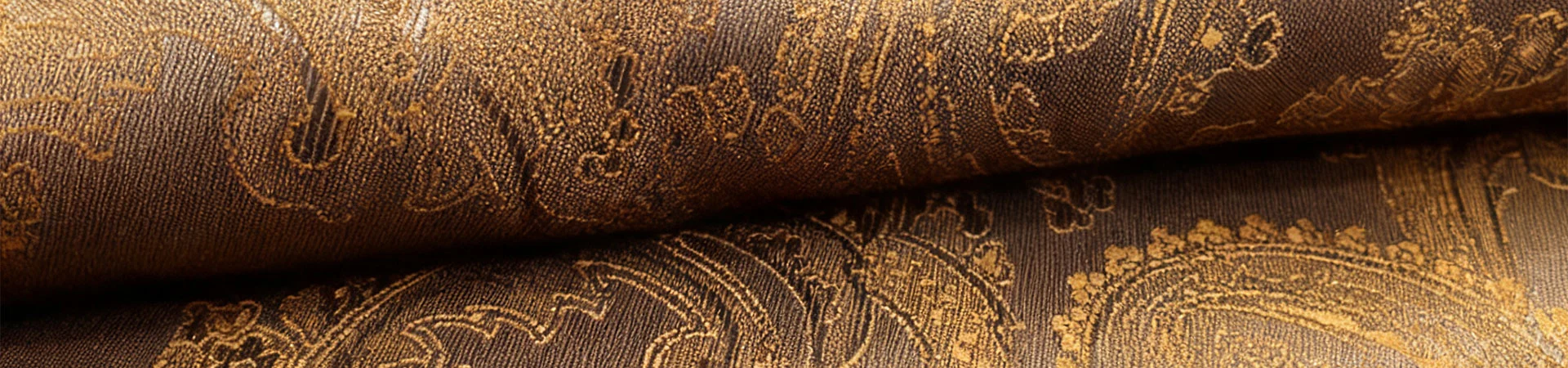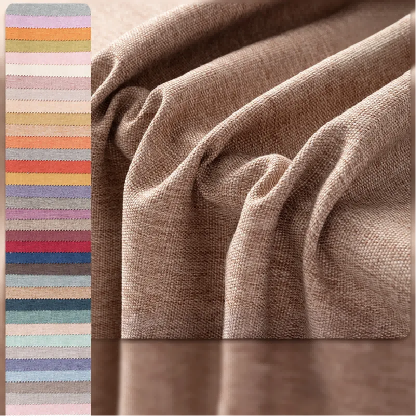
Long celebrated for its classic appeal, Oxford cloth is now at the forefront of textile innovation, proving that a traditional weave can meet the demands of the 21st century. Beyond its well-known role in shirting, this versatile fabric is being re-engineered for performance-driven applications, signaling a significant evolution from its preppy origins.
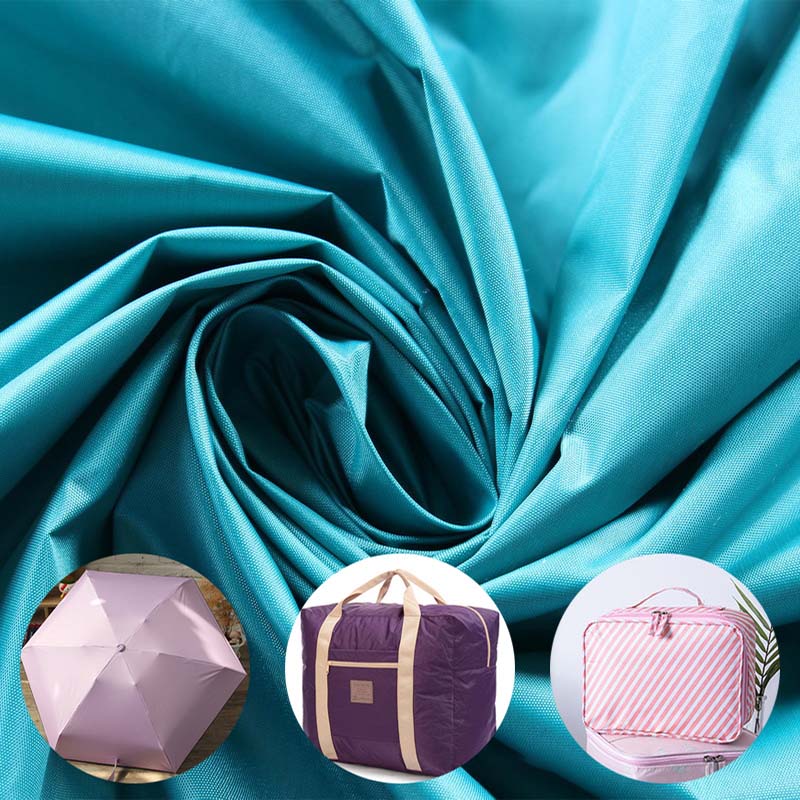
The foundational basket-weave structure of Oxford cloth naturally creates a fabric that is more substantial and hard-wearing than plain weaves. This innate durability is being leveraged and enhanced for new markets. In the realm of luggage and technical gear, heavy-duty Oxford cloth, often woven with synthetic yarns and coated with protective layers, is a preferred material for backpacks and protective covers. Its inherent strength provides excellent resistance to abrasion and tearing, ensuring the longevity of products subjected to rigorous use.
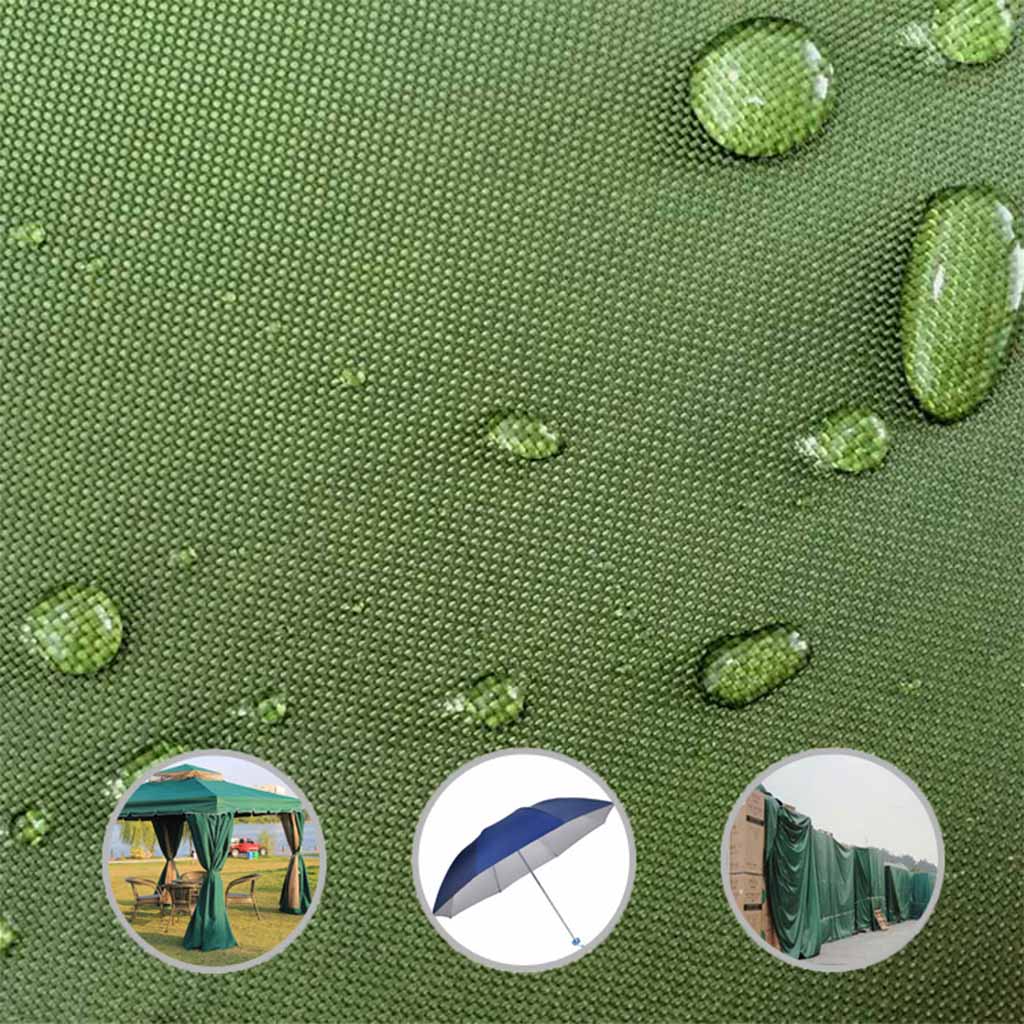
Material science is pushing the boundaries of what this traditional fabric can do. The development of blended yarns, combining natural cotton with high-tenacity polyester or nylon, has created hybrid fabrics that offer the best of both worlds: the comfortable feel of a natural fiber with the superior strength and quick-drying properties of a synthetic. Furthermore, advanced nanotechnology treatments are being applied to create stain-resistant and water-repellent finishes without compromising the fabric's breathability or texture.
This technical evolution aligns with growing consumer expectations for multifunctional and sustainable materials. The industry is responding with recycled Oxford cloth options, where the yarns are sourced from post-consumer plastic waste, catering to the eco-conscious market. The fabric's application is also expanding into new areas, including stylish yet functional outdoor furniture and modern, soft-sided coolers.
This transformation demonstrates a dynamic shift. Oxford cloth is no longer confined to the shirtings department but is recognized as a robust and adaptable technical textile. Its journey from the hallowed halls of academia to the cutting edge of material innovation highlights its unique and enduring utility, proving that even the most classic of weaves can find new life in the modern world.