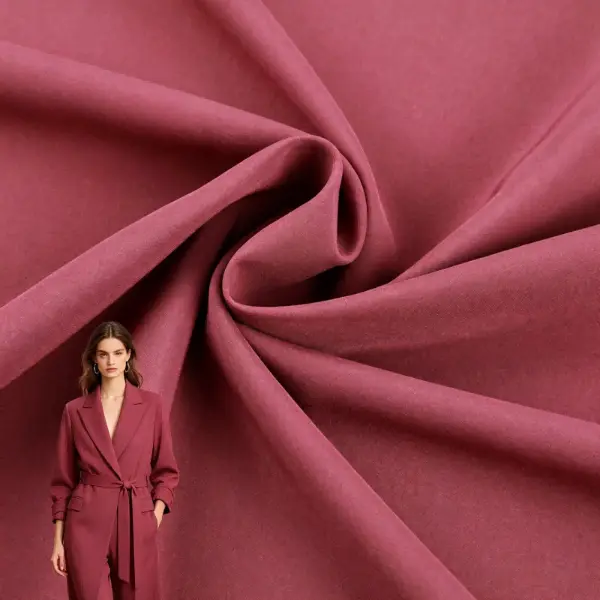
Recycled Nylon Fabric: Frequently Asked Questions (FAQ)
What exactly is recycled nylon fabric?
Recycled nylon fabric is a textile material produced by regenerating nylon waste into new nylon fibers. This waste can be pre-consumer (industrial plastic waste, fabric selvages) or post-consumer (discarded fishing nets, carpets, and other nylon products). At Nashe Textile, we use advanced chemical or mechanical recycling processes to break down this waste, purify it, and polymerize it into high-quality nylon yarn indistinguishable in performance from virgin nylon.
How does the quality of recycled nylon compare to virgin nylon?
The quality is exceptionally high and often meets or exceeds the performance benchmarks of virgin nylon. Through stringent quality control and advanced regeneration technology, Nashe Textile ensures our recycled nylon fabric retains the essential characteristics of durability, strength, elasticity, colorfastness, and abrasion resistance. It is subjected to the same rigorous testing protocols, making it a reliable and high-performance material for demanding applications.
Is recycled nylon fabric truly environmentally friendly?
Yes, it offers significant environmental advantages. The production of recycled nylon consumes far less energy and water, and generates fewer greenhouse gas emissions compared to manufacturing virgin nylon from petroleum. Most importantly, it diverts non-biodegradable waste from landfills and oceans, reducing plastic pollution and promoting a circular economy. Choosing Nashe Textile's certified recycled nylon directly contributes to these positive impacts.
What certifications should I look for in recycled nylon?
Key certifications provide assurance of the recycled content and responsible production. The Global Recycled Standard (GRS) and Recycled Claim Standard (RCS) are crucial for verifying the percentage of recycled material and the chain of custody. Additionally, certifications like BlueSign® indicate that the product was manufactured with safe chemicals and sustainable processes. Nashe Textile proudly holds and can provide products compliant with these leading international standards.
Can recycled nylon fabric be dyed and finished like regular nylon?
Absolutely. The polymer structure of recycled nylon is identical to that of virgin nylon, allowing it to undergo the same dyeing, printing, and finishing processes. It accepts dyes beautifully, resulting in vibrant, long-lasting colors. Nashe Textile offers a wide range of finishes, including water-repellent (DWR), moisture-wicking, and anti-microbial treatments, to meet specific functional requirements for your product.
What is the typical lead time and minimum order quantity (MOQ) for Nashe Textile's recycled nylon?
Lead times and MOQs can vary depending on the specific fabric construction, weight, color, and finish. As a standard, Nashe Textile works to provide flexible MOQs to accommodate both startups and large-scale manufacturers. Typical lead times for stock items are shorter, while custom developments may require additional time for sampling and production. We encourage direct contact with our sales team to discuss your specific project needs and receive a detailed quotation.
How should products made from recycled nylon be cared for and eventually disposed of?
Care instructions are similar to those for virgin nylon: machine wash in cold water, avoid bleach, and tumble dry on low. For end-of-life, the most sustainable option is to design products for longevity and recyclability. While closed-loop recycling for nylon is evolving, we recommend exploring take-back programs if available. The primary environmental benefit is realized during its use phase by displacing virgin material, and Nashe Textile is committed to supporting advancements in textile-to-textile recycling technologies.