Across electronics, automotive, and industrial manufacturing, the demand for high‑performance adhesive tapes is rising fast. Buyers and product designers are under pressure to deliver tapes that can withstand heat, mechanical stress, and electrical loads while still being easy to process at scale.
Acetate cloth as tape base fabric is emerging as a highly balanced solution. Built on cellulose‑based fibers, it combines structural stability, flexibility, electrical insulation, and better sustainability than many fully synthetic substrates.
For tape converters, brand owners, and wholesalers, acetate cloth offers a way to upgrade tape performance while maintaining processing efficiency and cost control. Industry players such as Ningbo Nashe Textile Co., Ltd. are contributing to the development and supply of acetate cloth fabrics tailored specifically for tape applications.
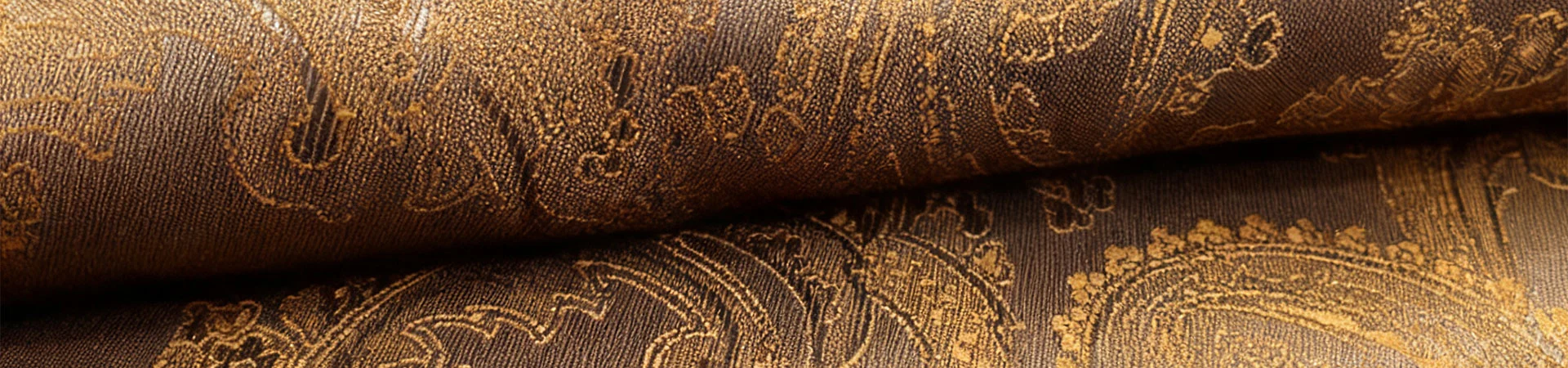
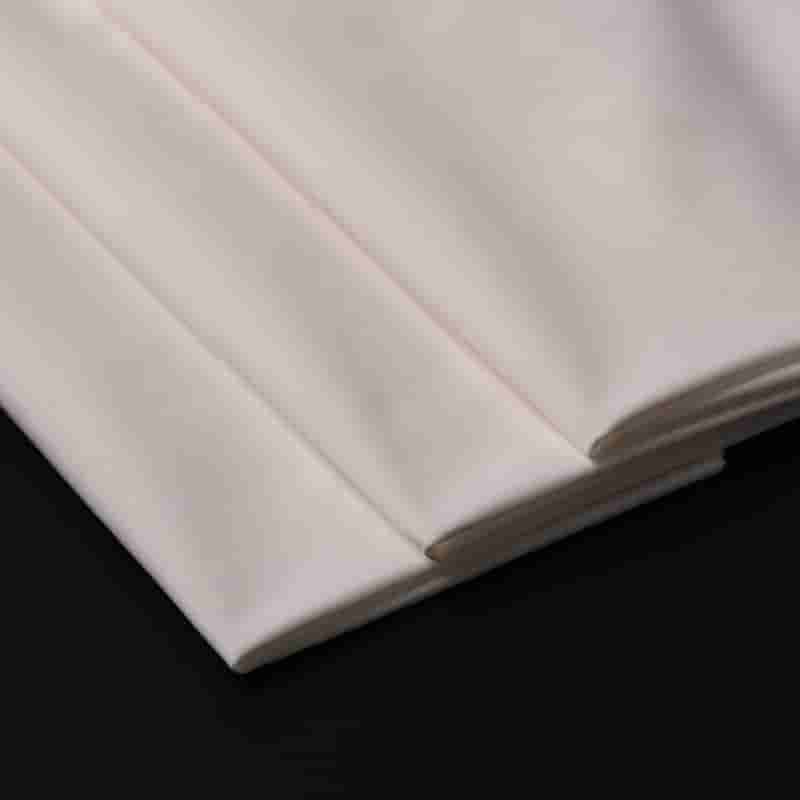
Acetate cloth is a woven fabric produced from cellulose‑based acetate fibers. These fibers originate from natural cellulose (typically derived from wood pulp or cotton linters) that is chemically modified to create cellulose acetate, then spun into filaments and processed into yarns.
Typical manufacturing steps include:
The result is a cloth that blends textile flexibility with engineered physical and electrical performance, making it a strong candidate as a tape base fabric.
In any adhesive tape, the base fabric (or backing) is more than a carrier. It defines:
A well‑engineered base fabric ensures that the adhesive can perform consistently throughout the tape’s entire lifecycle—from coating and laminating, through converting, to final end‑use under real working conditions.
Acetate cloth is gaining ground as tape base fabric because it sits at the intersection of performance, processability, and sustainability:
For converters and OEMs, dimensional stability is essential:
This stability helps ensure accurate tape placement, consistent insulation thickness, and clean, predictable behavior in automated application lines.
In many applications—wire harness wrapping, coil insulation, and intricate electronic assemblies—conformability is non‑negotiable:
For designers, this combination reduces the trade‑off between mechanical robustness and ease of handling.
One of acetate cloth’s strongest advantages is its electrical insulation capability:
For tape buyers in the electrical industry, this translates into more reliable insulation solutions across a wide voltage range.
Acetate cloth performs reliably in elevated temperature conditions commonly seen in electrical and automotive environments:
Polyester film (PET) is widely used as a tape backing due to its excellent strength, chemical resistance, and temperature rating. However:
For applications requiring a combination of insulation and tight wrapping around complex shapes, acetate cloth can offer a more user‑friendly solution.
Nonwoven fabrics are also used as tape bases, especially where high absorption or cost efficiency is needed. Compared to nonwovens:
Material selection ultimately depends on performance priorities:
| Property | Acetate Cloth | Polyester Film | Nonwoven Fabric |
| Flexibility | High | Medium | High |
| Heat Resistance | High | High | Medium |
| Electrical Insulation | Excellent | Good | Moderate |
| Adhesion Compatibility | Excellent | Good | Moderate |
| Sustainability | Moderate–High | Low | Moderate |
Rubber‑based adhesives are often used where high initial tack and flexibility are needed:
Acrylic adhesives are favored for aging resistance and temperature performance:
For tape manufacturers, processing efficiency is crucial:
The micro‑texture of acetate cloth offers a natural anchoring surface:
Acetate fibers are derived from cellulose, a renewable raw material:
Compared with wholly synthetic films:
Regulations, OEM specifications, and brand commitments are pushing the industry toward:
As this shift accelerates, acetate cloth is well‑positioned as a performance‑driven, cellulose‑based option in the tape base fabric portfolio.
For buyers and designers, the ability to tailor the substrate is a key advantage:
Acetate cloth can be finished and treated to deliver specialized properties:
Different industries require different combinations of properties:
Through controlled weaving parameters and finishing, acetate cloth can be engineered to match these sector‑specific requirements.
Close collaboration with specialized fabric manufacturers is essential to get the best from acetate cloth:
Tape developers are encouraged to contact our team or trusted fabric partners to discuss detailed technical specifications and custom development options.
In electrical engineering, acetate cloth tape serves as a robust insulating layer:
Modern automotive harnesses require materials that handle vibration, heat, and space constraints:
Within electronics manufacturing:
Beyond mainstream industries, acetate cloth tapes find use in:
As systems become smaller, hotter, and more powerful:
Acetate cloth is well placed to evolve alongside these requirements due to its tunable structure and finishes.
Next‑generation tapes are integrating:
Acetate cloth’s surface structure and processability make it a strong candidate for pairing with these advanced adhesive technologies.
Looking ahead:
Cellulose‑based acetate cloth aligns naturally with these trends, encouraging further innovation in fiber chemistry, finishing, and recyclability.
Acetate cloth as tape base fabric offers a compelling balance of performance, flexibility, and sustainability for modern adhesive applications. Its woven cellulose‑based structure delivers:
For buyers, designers, and wholesalers seeking to upgrade insulating and protective tape portfolios, acetate cloth is a strategic material to consider—especially in high‑value sectors such as electronics and automotive.
By collaborating closely with experienced suppliers such as Ningbo Nashe Textile Co., Ltd., you can tailor acetate cloth specifications to your exact application needs and position your tape products for the next generation of performance and regulatory requirements.
Acetate cloth combines a stable woven structure, excellent flexibility, and high dielectric strength. Its surface texture supports strong adhesive anchorage, while its cellulose‑based composition offers a more sustainable profile than many purely petrochemical films.
“Better” depends on the application. Polyester film offers very high tensile strength and chemical resistance, but is stiffer. Acetate cloth provides superior conformability and very good electrical insulation, making it especially suitable for coil wrapping, harnesses, and irregular shapes where flexible wrapping is critical.
Yes, acetate cloth is designed to operate reliably in elevated temperature environments typical of electrical and automotive systems. When combined with suitably rated adhesives (especially high‑temperature acrylics), it maintains structural integrity and adhesion over long service periods.
Acetate cloth is based on cellulose‑derived fibers, which originate from renewable resources. While it undergoes chemical processing, it generally represents a more sustainable option than many fully petrochemical substrates and helps reduce reliance on fossil‑based polymers.
Specification depends on:
For optimal selection, consult technical experts or contact our team and experienced manufacturers such as Ningbo Nashe Textile Co., Ltd. to define the best combination of fabric density, finishing, and adhesive pairing for your application.
| Feature | Description |
| Material Base | Cellulose‑derived fibers (cellulose acetate) |
| Flexibility | Excellent for wrapping applications |
| Electrical Insulation | High dielectric strength |
| Adhesive Compatibility | Works with rubber & acrylic adhesives |
| Customization Options | Density, thickness, and finishing tunable |
| Sustainability | Partially renewable, cellulose‑based material |