What is Breathable Softshell Fabric?
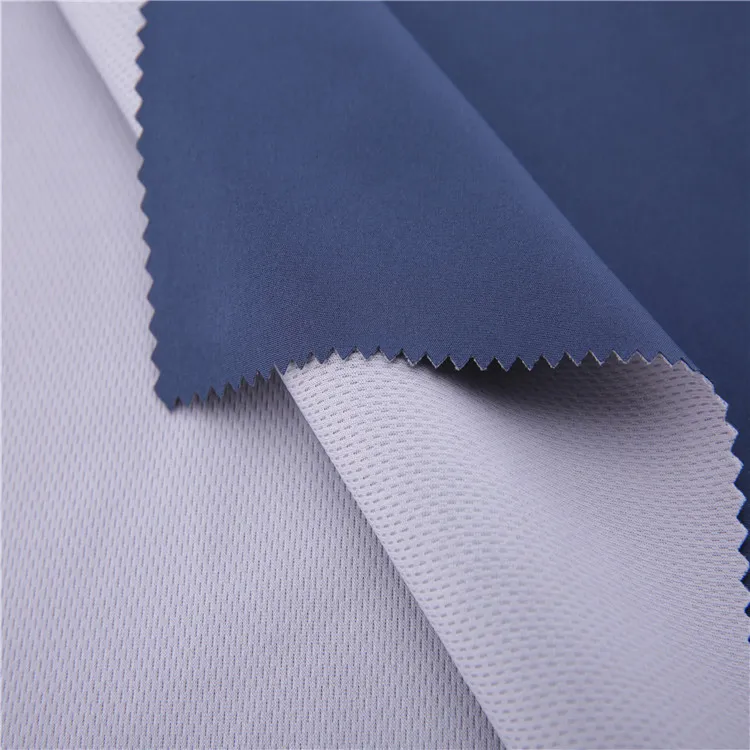
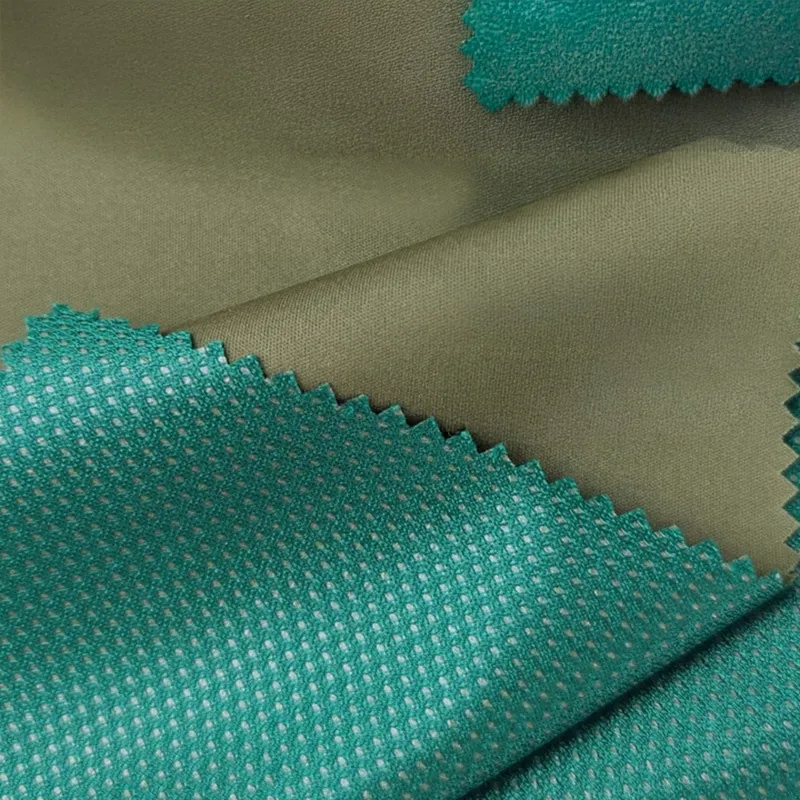
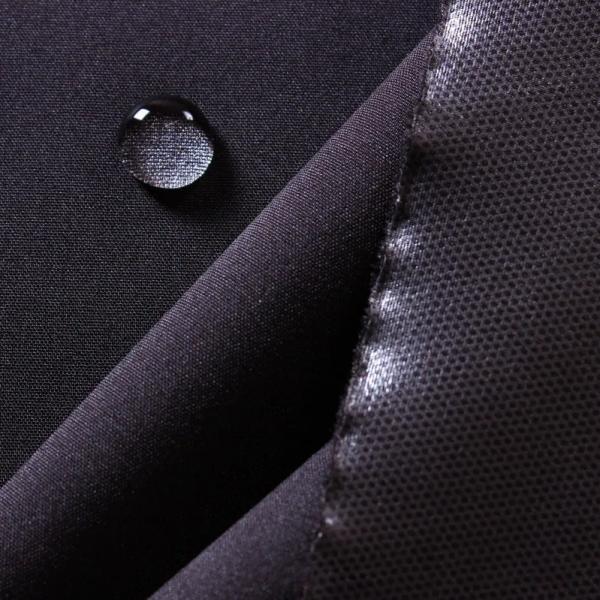
In the world of technical textiles, Breathable Softshell Fabric represents a pinnacle of innovation, designed to offer the perfect balance between protection, comfort, and mobility. Unlike traditional waterproof shells that can trap heat and moisture, or fleece that offers warmth but minimal wind resistance, breathable softshell fabric is a versatile, multi-layer composite material. At its core, a breathable softshell fabric typically consists of an outer face fabric that is durable and offers some degree of wind and water resistance, a middle membrane or coating that allows vapor (sweat) to escape while blocking liquid water and wind, and an inner lining that provides warmth, moisture management, and a comfortable feel against the skin. This unique construction makes it an ideal choice for a wide range of applications, from high-performance outdoor apparel like jackets, pants, and gloves, to active sportswear, tactical gear, and even fashion-forward urban outerwear. The key advantage lies in its breathability—the ability to let perspiration vapor pass through the material—preventing the clammy, cold feeling associated with non-breathable fabrics during high-exertion activities.
Breathable Softshell Fabric: Frequently Asked Questions (FAQ)
Q: How does breathable softshell fabric actually work?
A: It works through a combination of material science and construction. The outer layer repels light rain and wind. The critical middle layer is a micro-porous membrane or a hydrophilic coating. Micro-porous membranes have tiny holes smaller than a water droplet but larger than a water vapor molecule, physically blocking liquid water while allowing vapor to pass. Hydrophilic coatings function by absorbing moisture vapor on the inside and transporting it to the outside via molecular diffusion. The inner layer wicks moisture away from the skin. This system manages the microclimate, keeping the wearer dry from both external precipitation and internal perspiration.
Q: Is breathable softshell fabric completely waterproof?
A: It is crucial to distinguish between "water-resistant" and "waterproof." Most breathable softshell fabrics, including those from Nashe Textile, are highly water-resistant, meaning they can withstand significant water pressure (e.g., 3,000mm to 10,000mm) for a prolonged period, protecting against rain and snow. However, they are not typically considered "fully waterproof" like a dedicated hardshell fabric designed for extreme, sustained downpour. The focus is on a balance: offering substantial protection from the elements while prioritizing breathability and comfort for active use.
Q: Can I wash a garment made from breathable softshell fabric?
A: Yes, proper care is essential to maintain performance. Machine wash on a gentle cycle with a mild, non-detergent soap (specifically designed for technical fabrics is best). Avoid fabric softeners, bleach, and stain removers as they can clog the membrane's pores or degrade the DWR finish. Tumble dry on low heat to reactivate the DWR coating. Regular washing actually helps restore breathability by removing dirt, body oils, and salts that can block the membrane.
Q: How does it compare to traditional fleece or hardshell jackets?
A: It occupies a unique middle ground. Compared to fleece, softshell provides wind resistance, much better water resistance, and often similar breathability and warmth. It is more durable and offers more protection. Compared to a hardshell (waterproof-breathable shell), a softshell is generally more breathable, quieter, more stretchy, and comfortable for high-output activities, but offers less absolute waterproof protection. Many outdoor enthusiasts use a breathable softshell fabric jacket as their primary active layer, carrying a lightweight hardshell only for the worst weather.
Q: For what types of activities is this fabric best suited?
A: Breathable softshell fabric is exceptionally versatile. It is ideal for high-exertion activities in cool, windy, or changeable conditions where managing sweat is as important as blocking wind. This includes hiking, trekking, climbing, trail running, skiing/snowboarding (as a mid-layer or outer layer in fair conditions), cycling, and field sports. It is also increasingly popular for everyday casual and urban wear due to its comfort and stylish, technical appearance.
Q: How long does the water repellency (DWR) last, and can it be restored?
A: The factory-applied DWR (Durable Water Repellent) finish on the face fabric will diminish over time with wear, abrasion, and washing. Depending on use, it may last from several months to a couple of years. The good news is it can be easily restored at home. After washing and drying, applying a heat-activated spray-on or wash-in DWR reproofer will rejuvenate the water-beading effect. This does not affect the core membrane's water resistance but is vital for maintaining the fabric's overall high performance.
Q: Why should I source breathable softshell fabric from Nashe Textile specifically?
A: Nashe Textile brings decades of expertise in functional fabric manufacturing. We control the entire production process, from polymer selection to weaving, laminating, and finishing. This vertical integration allows for stringent quality control, innovation, and consistency. Our product range offers clear, tested performance gradients (Lite, A, Pro) to match specific needs. Furthermore, we provide unparalleled technical support, detailed documentation, and are committed to developing fabrics that meet evolving market demands for performance, sustainability, and value.