When it comes to creating a living space that exudes both comfort and sophistication, the choice of upholstery fabric is paramount. Among the myriad of textiles available, Chenille sofa fabric stands out as a perennial favorite for homeowners and interior designers alike. At Nashe Textile, we have perfected the art of crafting premium chenille fabrics that are not only visually stunning but also built to withstand the rigors of daily life. This deep dive into chenille sofa fabric will explore its unique characteristics, detailed specifications, and why it remains a top-tier choice for discerning customers.
What is Chenille Fabric?
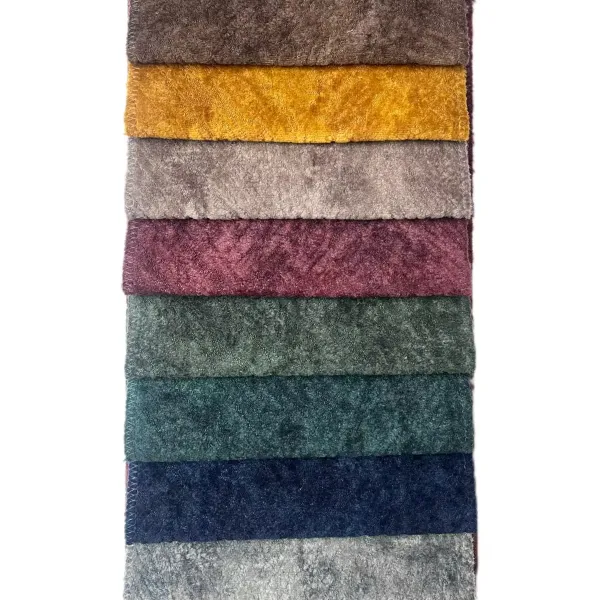
Chenille is a distinctive fabric characterized by its soft, fuzzy pile that resembles the caterpillar from which it gets its name (the French word for caterpillar is 'chenille'). This luxurious texture is achieved through a unique manufacturing process where short lengths of yarn, called the "pile," are secured between two core yarns. This construction results in a fabric with a plush, velvety surface that is incredibly soft to the touch. Unlike other plush fabrics, chenille possesses a distinctive depth and luster, offering a rich visual appeal that can range from subtle elegance to bold statement, depending on the weave and color.
Unmatched Advantages of Chenille Sofa Fabric
Choosing chenille from Nashe Textile for your sofa or sectional brings a host of benefits:
- Superior Comfort and Softness: The primary allure of chenille is its exceptional softness. It provides a warm, inviting feel that makes any sofa a cozy haven for relaxation, reading, or family movie nights.
- Remarkable Durability: Don't let its delicate feel fool you. High-quality chenille, like ours, is woven with a strong, tight base. This structure gives it excellent resistance to abrasion, pilling, and wear, making it ideal for high-traffic areas like living rooms and family rooms.
- Visual Depth and Texture: Chenille fabric has a inherent dimensionality. It catches light differently from various angles, creating a sophisticated, multi-tonal effect that adds depth and interest to your furniture. It’s available in a vast spectrum of colors, from neutral hues to vibrant shades.
- Versatile Styling: Its rich texture allows it to adapt to multiple interior design styles. A neutral chenille sofa can anchor a modern minimalist space, while a jewel-toned chenille can become the focal point in a traditional or eclectic setting.
- Ease of Maintenance: Most modern chenille fabrics, including our collections at Nashe Textile, are treated for stain resistance. Many are also machine washable or can be easily spot-cleaned, simplifying upkeep and ensuring your furniture looks beautiful for years.
Nashe Textile Chenille Fabric: Detailed Product Specifications
At Nashe Textile, we believe in transparency and quality. Our chenille sofa fabrics are engineered to meet the highest standards. Below are the detailed parameters that define our premium product line.
| Specification Category |
Details & Parameters |
| Primary Material Composition |
Polyester, Polyester-Rayon Blend, 100% Cotton, or Poly-Cotton Blend. (Specific composition varies by collection for desired feel and performance). |
| Fabric Weight |
Medium to Heavy Weight (Typically 300 - 450 GSM). This optimal weight ensures substantial durability without sacrificing drape or softness. |
| Pile Height & Texture |
Low to Medium pile height. We focus on a dense, resilient pile that resists matting and maintains its plush appearance over time. |
| Abrasion Resistance (Martindale / Wyzenbeek Test) |
Excellent rating: 30,000+ double rubs (Martindale) / 30,000+ double rubs (Wyzenbeek). Suitable for heavy residential use. |
| Colorfastness |
High resistance to fading (Lightfastness: 4-5 on ISO scale). Colors remain vibrant even when exposed to indirect sunlight. |
| Stain & Soil Resistance |
Treated with advanced stain-resistant finishes (e.g., Teflon™ or proprietary NasheGuard technology) for easy cleanup of common spills. |
| Cleaning & Care Instructions |
Most styles: "W" code (Professional water-based cleaning recommended). Many lighter-weight chenilles are "WS" (Water-based or mild solvent). Always check the specific care label. |
| Width |
Standard rolls are 54 inches (137 cm) wide, suitable for most upholstery projects. |
| Pattern Repeat |
Varies by design: Solids (0"), Small-scale textures (0"-3"), Large-scale jacquards (up to 24"). Detailed info is provided per pattern. |
| Fire Resistance |
Complies with relevant residential upholstery fire safety standards (e.g., California Technical Bulletin 117-2013 or UK Furniture Fire Safety Regulations). |
Key Performance Features Checklist
- ✓ High Durability for everyday use
- ✓ Exceptional Softness and Comfort
- ✓ Fade and Stain Resistant
- ✓ Pilling Resistant Construction
- ✓ Easy to Clean and Maintain
- ✓ Wide Range of Color and Texture Options
- ✓ Consistent Quality and Color Matching
Chenille Sofa Fabric: Frequently Asked Questions (FAQ)
Q: Is chenille fabric a good choice for a household with pets and children?
A: Absolutely. This is one of chenille's strong suits. At Nashe Textile, our chenille fabrics are engineered for durability. The tight weave and strong synthetic fibers (like polyester) resist snagging from pet claws better than some loose weaves. Furthermore, our stain-resistant treatments make cleaning up spills, mud, or other common accidents much easier. However, for extreme scenarios, choosing a darker color or a multi-tonal pattern can help camouflage minor stains between cleanings.
Q: How do I properly clean and maintain my chenille sofa?
A: Regular maintenance is simple. Frequent vacuuming with a soft brush attachment removes dust and crumbs from the textured surface. For spot cleaning, always act quickly. Blot (do not rub) liquid spills with a clean, absorbent cloth. For most stains, a mild solution of warm water and a gentle, non-bleach detergent applied with a soft sponge is effective. Test any cleaner on a hidden area first. For overall cleaning, we strongly recommend consulting the specific care code provided with your Nashe Textile fabric and considering professional upholstery cleaning for the best long-term results.
Q: Does chenille fabric get hot or cause sweating in warm weather?
A: Compared to genuine leather or some synthetic plastics, chenille is generally more breathable. Its fibrous, textured nature allows for some air circulation. However, it is a plush fabric. In very hot and humid climates, it may feel warmer than a crisp linen or cotton canvas. Many find it comfortable year-round, but if you live in an exceptionally hot environment, you might prefer a chenille in a lighter color and ensure good room ventilation.
Q: Will the fabric pill or go bald in areas of high friction (like seat cushions)?
A: Low-quality chenille can be prone to pilling (forming small fabric balls) or matting down. This is why the quality of construction is critical. Nashe Textile's chenille fabrics use high-tenacity yarns and a dense, robust construction specifically designed to minimize pilling. The Martindale abrasion rating of 30,000+ double rubs indicates exceptional resistance to surface wear. While no fabric is entirely immune to wear over many years, our chenille is built to maintain its appearance beautifully under normal residential use.
Q: Can chenille fabric be used for other upholstery projects besides sofas?
A: Certainly. The durability and aesthetic appeal of chenille make it an excellent choice for a wide range of furniture pieces. It is commonly used for accent chairs, ottomans, headboards, dining chair seats, and even drapery or throw pillows. Its versatility in texture and color allows it to unify a room's decor across different elements.
Q: How does chenille from Nashe Textile compare to velvet or microfiber?
A: Each fabric has its merits. Velvet offers a luxurious, smooth nap but can show wear patterns (tracking) more readily. Microfiber is highly stain-resistant and uniform but may lack the visual depth and classic texture of chenille. Nashe Textile's chenille strikes an ideal balance: it offers a plush, textured feel similar to velvet but with often greater durability and easier care. It provides more visual interest than standard microfiber while maintaining excellent practical performance for active households.
Q: Are there eco-friendly or sustainable options in chenille?
A: Yes, sustainability is increasingly important. At Nashe Textile, we are expanding our eco-conscious collections. We offer chenille fabrics made from recycled polyester (rPET), which gives post-consumer plastic a new life. We also have options with Global Organic Textile Standard (GOTS) certified cotton. We recommend inquiring about our specific "Eco-Weave" collection for details on sustainable material choices and processes.