News

Why Nylon Oxford Fabric Is the Preferred Choice for High-Performance Bag Materials

2026-04-02 0 Leave me a message

Introduction

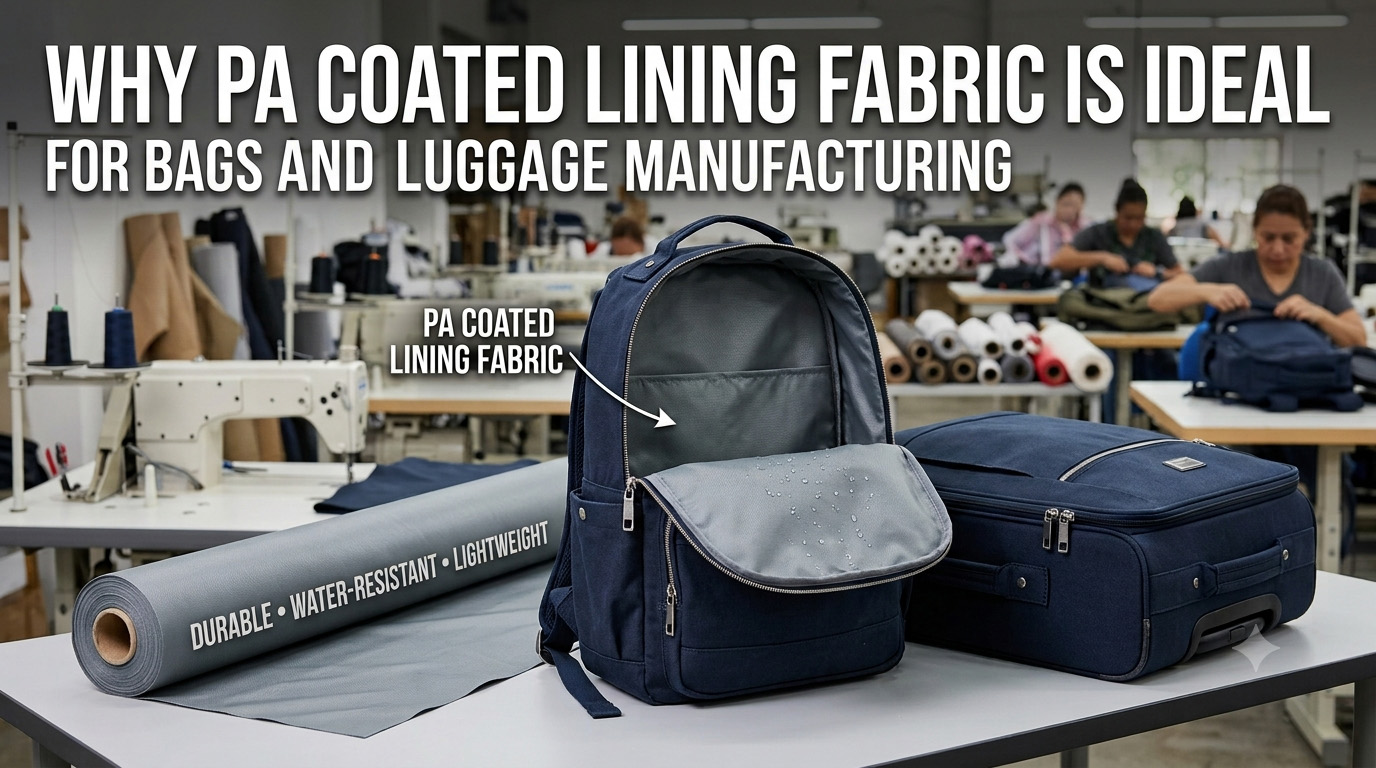
Across outdoor, travel, and urban commuting markets, demand for high-performance bag materials has never been higher. Consumers expect bags that are light yet tough, stylish yet reliable, and capable of protecting valuable electronics and personal items in all kinds of environments.

Among the many technical textiles available today, nylon Oxford fabric for bags has become a leading solution. It offers an excellent balance of:

  • Durability and abrasion resistance
  • Water resistance and weather protection
  • Lightweight performance for user comfort
  • Processability for brands, designers, and manufacturers

Global manufacturers—such as Ningbo Nashe Textile Co., Ltd.—have helped push nylon Oxford fabric forward with consistent quality, coating technologies, and customization options that match the needs of modern bag brands, wholesalers, and designers.


Table of Contents

  1. Understanding Nylon Oxford Fabric for Bags
  2. Key Performance Advantages of Nylon Oxford Fabric
  3. Nylon Oxford Fabric vs Traditional Bag Materials
  4. Water Resistance and Weather Protection
  5. Manufacturing and Processing Benefits
  6. Lightweight Performance and User Comfort
  7. Sustainability and Eco-Friendly Innovations
  8. Customization Capabilities for Brands
  9. Applications Across Bag Categories
  10. How to Choose the Right Nylon Oxford Fabric Supplier
  11. Conclusion
  12. FAQs

1. Understanding Nylon Oxford Fabric for Bags

1.1 What Is Nylon Oxford Fabric?

Nylon Oxford fabric is a woven textile made from nylon filament or textured yarns using an Oxford weave structure. The Oxford weave typically uses a basket or modified plain weave, which gives the fabric:

  • A visibly structured surface
  • Good dimensional stability
  • A robust yet flexible hand feel

Key characteristics:

  • Base fiber: Polyamide (nylon)
  • Weave: Oxford/basket or variation
  • Typical end-use: Backpacks, travel bags, laptop bags, outdoor gear, and tactical equipment

Denier and Weave Density

Two important technical parameters:

  • Denier (D):
    • Measures yarn linear density (grams per 9,000 meters).
    • Common deniers for bags: 210D, 300D, 420D, 600D, 840D, 1000D, 1680D.
    • Higher denier → thicker yarns → heavier and stronger fabric.
  • Weave density (ends & picks per inch/cm):
    • Higher density → tighter structure, better tear strength, improved abrasion resistance, and better base water resistance.
    • Designers often balance denier + density to get the right combination of strength, weight, and hand feel.

1.2 Structure and Manufacturing Process

Tight Weave and Durability

A tight Oxford weave:

  • Reduces yarn slippage and deformation under load
  • Enhances tear strength and abrasion resistance
  • Helps maintain bag shape over long-term use

This makes nylon Oxford fabric especially suitable for heavy-duty bags and bags with high wear zones (bottom panels, corners, straps).

Role of Coatings (PU, TPU)

To achieve higher performance, base fabric is often combined with functional coatings:

  • PU (Polyurethane) coatings
    • Widely used for water resistance and hand feel improvement
    • Can provide varying levels of waterproof rating
    • Available in matte, semi-matte, or shiny finishes
  • TPU (Thermoplastic Polyurethane) laminations
    • Higher-level waterproof and hydrolysis resistance
    • Better cold-resistance and elasticity
    • Often preferred for technical outdoor and sports bags

Basic Production Steps

Typical process flow:

  1. Yarn preparation: Choosing nylon filament/FDY/DTY in required denier
  2. Weaving: Producing gray (greige) nylon Oxford fabric
  3. Dyeing: Jet dyeing or continuous dyeing for required colors
  4. Finishing:
    • Setting, calendering, or embossing
    • Coating/lamination (PU, TPU, PVC-free, etc.)
  5. Inspection and testing: Color fastness, tensile strength, tear strength, waterproof rating
  6. Roll packing: For delivery to bag factories and converters

2. Key Performance Advantages of Nylon Oxford Fabric

2.1 Superior Abrasion Resistance

Bags experience constant friction: rubbing against clothing, floors, luggage racks, and outdoor surfaces. Nylon fibers inherently offer:

  • High abrasion resistance compared with many other synthetic and natural fibers
  • Excellent performance in Martindale or Taber abrasion tests

For buyers and designers, this means:

  • Bags keep their appearance longer
  • Less pilling, fraying, and surface wear
  • Better brand reputation for quality

2.2 High Tear Strength

Thanks to both nylon’s molecular structure and the Oxford weave, nylon Oxford fabric delivers:

  • High tear strength: Resists ripping when punctured or subjected to sudden loads
  • Good tensile strength: Handles heavy items and overstuffed bags

Ideal applications:

  • Tactical gear and military-style bags
  • Large-capacity travel bags and duffels
  • Outdoor backpacks used on trails and in harsh conditions

2.3 Long-Term Durability

Nylon Oxford fabric is engineered for long service life:

  • Retains structural integrity under repeated stress
  • With proper coatings, can withstand moisture, sweat, and frequent handling
  • Lower long-term replacement rate → cost-effective for brands and end users

For wholesalers and bag manufacturers, better durability translates into:

  • Fewer warranty claims
  • Stronger positioning in professional and outdoor segments

3. Nylon Oxford Fabric vs Traditional Bag Materials

3.1 Comparison with Polyester

Polyester is common and cost-efficient, but nylon Oxford offers clear advantages in many high-performance contexts.

  • Strength & durability:
    • Nylon generally has higher tensile strength and better abrasion resistance.
  • Flexibility in low temperatures:
    • Nylon remains more supple in cold environments; polyester can stiffen more.
  • Cost:
    • Polyester typically has a cost advantage; nylon is moderate-cost but higher-performance.

3.2 Comparison with Canvas

Canvas (usually cotton or cotton blends) has a traditional, rugged aesthetic—but with trade-offs:

  • Weight:
    • Canvas is significantly heavier than nylon Oxford at comparable strength.
  • Water resistance:
    • Canvas is naturally absorbent; it requires heavy waxing or coatings to be water-resistant.
    • Nylon Oxford, especially with PU/TPU coating, achieves far superior water resistance.
  • Maintenance:
    • Canvas can shrink, fade, and be harder to clean.
    • Nylon Oxford is easier to wipe and maintain.

3.3 Summary Comparison Table

Feature Nylon Oxford Fabric Polyester Canvas
Durability High Medium Medium
Water Resistance Excellent (with coating) Good (with coating) Low (unless heavily treated)
Weight Lightweight Moderate Heavy
Tear Strength High Medium Low–Medium
Cost Moderate Low Moderate

4. Water Resistance and Weather Protection

4.1 Role of Coatings (PU, TPU)

The base nylon Oxford weave provides a foundation; coatings deliver high-level waterproofing:

  • PU-coated nylon Oxford
    • Suitable for most commuter, travel, and casual outdoor bags
    • Water-repellent surface + internal barrier layer
  • TPU-laminated nylon Oxford
    • Higher waterproof ratings for outdoor gear, technical packs, and marine-adjacent use
    • Better resistance to hydrolysis and extreme temperature changes

4.2 Performance in Harsh Conditions

Properly coated nylon Oxford fabrics:

  • Resist rain, splashes, and high humidity
  • Maintain flexibility and strength in both hot and cold climates
  • Provide stable performance during repeated wet–dry cycles

For serious outdoor, hiking, or tactical applications, fabric selection often involves matching denier + coating to the target environment.

4.3 Benefits for End Users

For end customers, these technical details convert into practical advantages:

  • Protection of electronics: Laptops, tablets, and cameras stay safer in unexpected rain.
  • Protection of documents and clothing: Lower risk of moisture damage.
  • Peace of mind: Users can commute or travel with confidence, even in uncertain weather.

5. Manufacturing and Processing Benefits

5.1 Adaptability to Finishing Techniques

Nylon Oxford fabric is highly compatible with a wide range of finishing processes:

  • Coating and lamination: PU, TPU, PVC-free options
  • Printing:
    • Screen printing
    • Digital printing (sublimation on certain constructions, or transfer)
  • Embossing and calendering: For texture, gloss/matte control, or branding patterns

This process flexibility is attractive for brands aiming to differentiate their bags visually and functionally.

5.2 Flexibility in Design

Designers can adjust:

  • Fabric stiffness vs softness via finishing and coating thickness
  • Texture and sheen (matte, semi-matte, shiny)
  • Hand feel (smooth, slightly brushed, or crisp)

This allows the same fundamental material family—nylon Oxford—to cover both structured business bags and softer lifestyle backpacks.

5.3 Efficiency in Production

For manufacturers and wholesalers, nylon Oxford brings operational advantages:

  • Typically supplied in consistent roll widths and weights
  • Good performance in cutting, sewing, and binding
  • Compatible with automation and large-scale production

Result: high throughput and predictable quality, important for global supply chains and private-label production.


6. Lightweight Performance and User Comfort

6.1 High Strength-to-Weight Ratio

Nylon’s strength-to-weight ratio is one of its biggest selling points:

  • Even in moderate deniers (210D–420D), it delivers notable load-bearing capacity
  • Designers can achieve lightweight bags without compromising safety or reliability

This is critical in markets where:

  • Airline weight limits matter
  • Users carry laptops, power banks, and accessories all day
  • Outdoor users optimize every gram of gear

6.2 Impact on Modern Bag Design

For urban commuters and frequent travelers:

  • Lighter bag shells reduce overall carry weight
  • Comfort is improved, especially when combined with ergonomic straps and padding
  • Sleeker, modern aesthetics are easier to achieve with lighter, thinner yet strong fabrics

This aligns directly with current trends in minimalist, everyday-carry (EDC) and tech commuter bag design.


7. Sustainability and Eco-Friendly Innovations

7.1 Recycled Nylon Developments

Sustainability is now a core purchasing driver for brands and end consumers. The nylon Oxford space is evolving with:

  • Recycled nylon (rPA / rNY) yarns sourced from:
    • Post-industrial waste (factory leftovers)
    • Post-consumer waste (e.g., fishing nets, industrial nylon scrap, carpet)
  • Fabrics that help reduce dependence on virgin fossil-based resources

For buyers, specifying recycled nylon Oxford offers an immediate way to upgrade environmental credentials.

7.2 Eco-Friendly Coating Technologies

Coating chemistry is also moving toward safer, greener solutions:

  • Low-VOC and solvent-free PU coatings
  • TPU laminations with improved recyclability profiles
  • Reduced use of restricted substances (e.g., PFCs in water-repellent finishes)

Manufacturers that invest in compliant, eco-friendly finishing lines help brands meet global regulatory and retailer standards.

7.3 Market Demand for Sustainable Materials

Key trends:

  • Retailers and big brands setting public sustainability targets
  • End users scrutinizing materials for recycled content and chemical safety
  • Certifications like GRS (Global Recycled Standard) becoming strong selling points

For wholesalers and designers, offering sustainable nylon Oxford options can open doors to higher-value clients and markets.


8. Customization Capabilities for Brands

8.1 Adjusting Denier and Density

Brands can tune fabric specifications to match specific bag concepts:

  • Lower denier (e.g., 210D, 300D):
    • Lighter, more flexible
    • Ideal for lightweight daypacks, packing cubes, and interior pockets
  • Higher denier (e.g., 600D, 840D, 1000D, 1680D):
    • Stronger, more robust
    • For base panels, tactical bags, or large luggage

Weave density adjustments further refine hand feel, strength, and opacity.

8.2 Coating and Functional Enhancements

Functional finishes allow precise performance targeting:

  • Waterproof and water-repellent finishes (PU/TPU + DWR top coating)
  • Anti-UV treatments for bags used in strong sunlight
  • Anti-tear / ripstop constructions by integrating stronger yarn grids

This technical customization helps brands develop clear product tiers (entry-level, premium, professional).

8.3 Branding Opportunities

Nylon Oxford is an excellent base for branding:

  • Supports logo printing (screen printing, heat transfer, digital print panels)
  • Works well with woven labels, rubber patches, and embossed logos
  • Available in a wide color range, including corporate color matching (with MOQ-dependent dyeing)

This lets brands stand out visually while maintaining technical performance.


9. Applications Across Bag Categories

9.1 Backpacks and Travel Bags

Key advantages for backpacks and travel bags:

  • High durability for daily commuting and frequent travel
  • Lightweight structure reducing user fatigue
  • Strong performance under overpacking and heavy loads

Common placements:

  • Shell fabric for main body
  • Reinforcement panels on base and sides
  • Straps and handle reinforcements (with webbing support)

9.2 Laptop and Business Bags

For laptop, briefcase, and business-casual bags:

  • Clean, professional appearance (matte or semi-matte finishes)
  • Enough structure to protect devices when combined with foam or EVA padding
  • Good compatibility with internal organization systems (pockets, sleeves, cable organizers)

Nylon Oxford balances corporate aesthetics with technical performance.

9.3 Tactical and Outdoor Gear

In tactical, hunting, and outdoor gear, higher-denier and robustly coated nylon Oxford is often the standard:

  • High tear strength for demanding field conditions
  • Resistance to dirt, moisture, and abrasion
  • Ability to integrate with MOLLE systems, webbing, and hardware

This segment typically uses 600D–1680D fabrics, sometimes with ballistic or ripstop constructions.


10. How to Choose the Right Nylon Oxford Fabric Supplier

10.1 Key Factors to Consider

When sourcing nylon Oxford fabric for bags, pay attention to:

  1. Quality consistency

    • Stable denier, density, and coating weight
    • Repeatable color matching across batches
    • Reliable performance in lab tests (tensile, tear, hydrostatic pressure, abrasion)
  2. Certifications and compliance

    • ISO quality systems
    • REACH, RoHS, OEKO-TEX or similar regulations as required by your market
    • GRS or other recycled certifications for sustainable lines
  3. Customization capabilities

    • Ability to develop specific denier/weave/coating combinations
    • Color development and lab-dip support
    • Flexibility with MOQs for new programs

10.2 Working with Reliable Manufacturers

Strong supplier relationships are critical:

  • Clear technical communication on specifications, test methods, and standards
  • Ability to provide samples, swatches, and test reports quickly
  • Support for co-development when brands or designers need something unique

Leading manufacturers often supply technical support teams—you may see “contact our team” invitations on product pages so customers can get tailored material recommendations.

10.3 Industry Example

Textile manufacturers such as Ningbo Nashe Textile Co., Ltd. play an important role in the nylon Oxford supply chain by:

  • Offering a wide portfolio of deniers, coatings, and finishes
  • Providing consistent quality suitable for export and global brands
  • Supporting OEM/ODM projects for bag factories, distributors, and brand owners

Working with such experienced suppliers helps ensure both performance and reliability from fabric to finished bag.


Fabric Care and Maintenance Table

Proper care extends the service life of nylon Oxford bags and preserves their appearance.

Care Method Recommendation Benefit
Cleaning Wipe with a damp cloth Maintains appearance
Washing Use mild detergent, cold water Prevents fiber and coating damage
Drying Air dry away from direct heat Preserves coating integrity
Storage Store in a cool, dry, ventilated place Extends overall lifespan

Additional tips:

  • Avoid harsh solvents or bleach, which can degrade coatings and color.
  • Do not tumble dry on high heat, as it may affect PU/TPU layers.

11. Conclusion

Nylon Oxford fabric for bags has earned its place as a preferred high-performance material thanks to its remarkable combination of:

  • Durability and abrasion resistance
  • High tear strength and long-term stability
  • Excellent water resistance with modern coatings
  • Lightweight performance that enhances user comfort

From urban commuters and frequent travelers to outdoor enthusiasts and tactical users, bag buyers increasingly expect materials that balance technical performance with design flexibility. Nylon Oxford fabric delivers exactly that.

Looking ahead, innovation in recycled nylon and eco-friendly coatings will strengthen its position further, helping brands and manufacturers align with global sustainability goals while still meeting demanding functional requirements.


12. Frequently Asked Questions (FAQs)

1. What makes Nylon Oxford Fabric better than polyester for bags?

While both nylon and polyester are widely used, nylon Oxford fabric generally offers:

  • Higher tensile and tear strength, especially at similar deniers
  • Better abrasion resistance, which supports longer-lasting bags
  • Improved flexibility in cold conditions, making it suitable for outdoor and winter use

Polyester retains an advantage in cost and sometimes in UV resistance, but when performance and durability are top priorities, nylon Oxford often provides a superior solution.


2. Is Nylon Oxford Fabric waterproof or water-resistant?

By itself, the woven nylon Oxford base is water-resistant, not fully waterproof. Its performance depends heavily on:

  • Coating type and thickness (PU, TPU, etc.)
  • Surface treatments, such as durable water repellent (DWR) finishes

With appropriate coatings and finishes, nylon Oxford fabric can reach high waterproof ratings, suitable for most travel, commuting, and many outdoor bag applications. Without coating, it should be considered water-resistant rather than fully waterproof.


3. What denier is best for backpack materials?

The “best” denier depends on the intended use:

  • Everyday/lightweight daypacks:
    • Commonly 210D–420D nylon Oxford
  • Travel and hiking backpacks:
    • Often 420D–600D for a balance of strength and weight
  • Heavy-duty / tactical / expedition packs:
    • 600D–1000D or even 1680D, especially on high-wear zones

Designers often combine different deniers in one bag—lighter fabrics for upper panels and interiors, heavier ones for the base and reinforcement areas.


4. Can Nylon Oxford Fabric be eco-friendly?

Yes. Nylon Oxford can be made more eco-friendly by:

  • Using recycled nylon yarns (e.g., GRS-certified) from post-industrial or post-consumer sources
  • Applying low-VOC, solvent-free PU coatings and eco-conscious DWR finishes
  • Working with manufacturers who follow responsible chemical management and energy-efficient processes

While it is still a synthetic material, these innovations significantly reduce environmental impact compared with traditional, fully virgin options.


5. How can I source high-quality Nylon Oxford Fabric?

To source reliable, high-quality nylon Oxford fabric:

  1. Define your specifications:

    • Denier, weave density, coating type, color, performance targets.
  2. Evaluate suppliers carefully:

    • Ask for test reports (tensile, tear, waterproof, color fastness).
    • Check certifications (ISO, OEKO-TEX, GRS, etc., if applicable).
    • Review lead times, MOQs, and customization capabilities.
  3. Request samples and trial production:

    • Test the fabric in real bag prototypes for sewing behavior, appearance, and user feedback.

If you are working with a specialized manufacturer—such as an experienced mill or trading company focused on technical bag fabrics—you can usually contact their team for technical recommendations, sample books, and tailored solutions to match your bag collections.

Related News
Leave me a message
X
We use cookies to offer you a better browsing experience, analyze site traffic and personalize content. By using this site, you agree to our use of cookies. Privacy Policy
Reject Accept