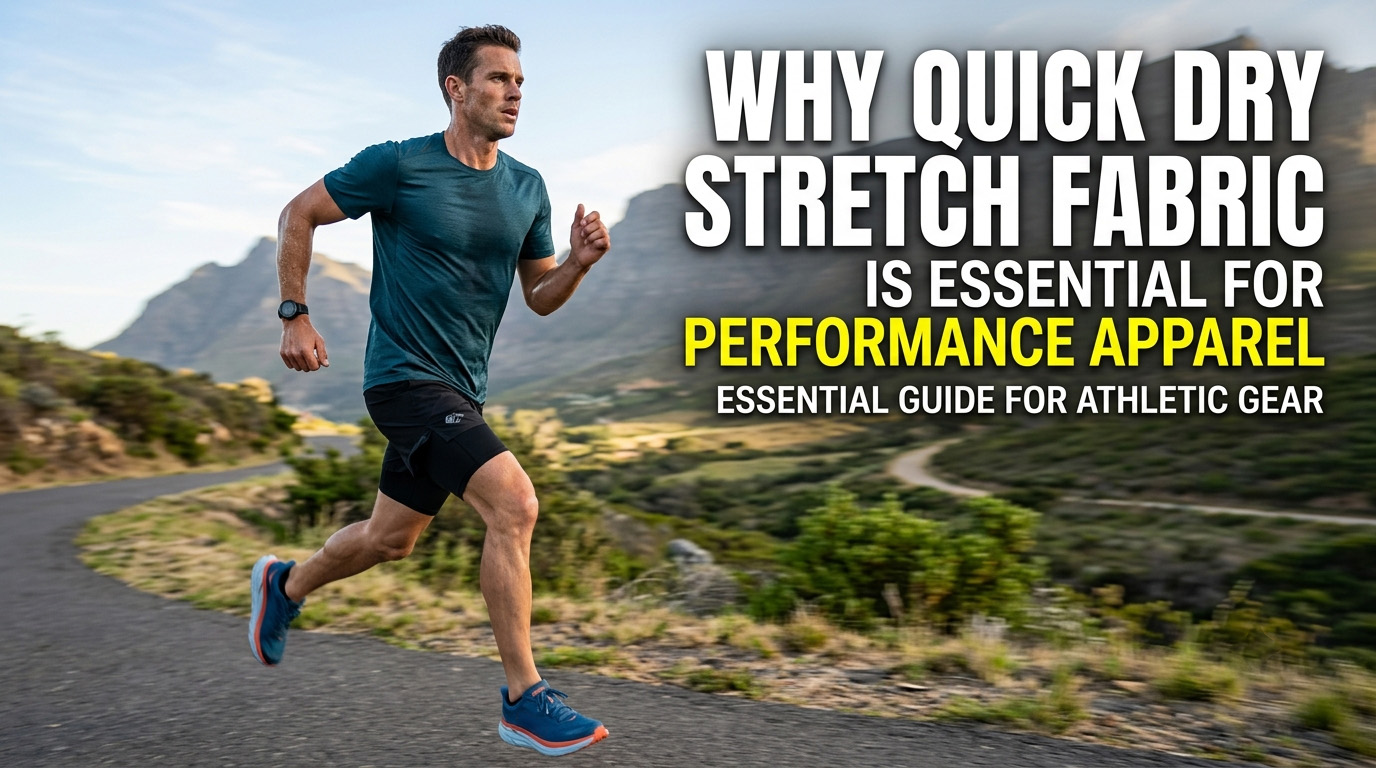
Modern performance apparel is no longer focused only on appearance and basic comfort. Today’s consumers expect clothing to support active lifestyles by managing sweat, improving mobility, and maintaining comfort during different activities. Quick Dry Stretch Fabric has become an essential material for sportswear, outdoor clothing, and functional garments because it combines moisture management, flexibility, lightweight comfort, and durability. For apparel brands, manufacturers, and fabric buyers, choosing the right Quick Dry Stretch Fabric can improve product performance and create stronger market competitiveness.
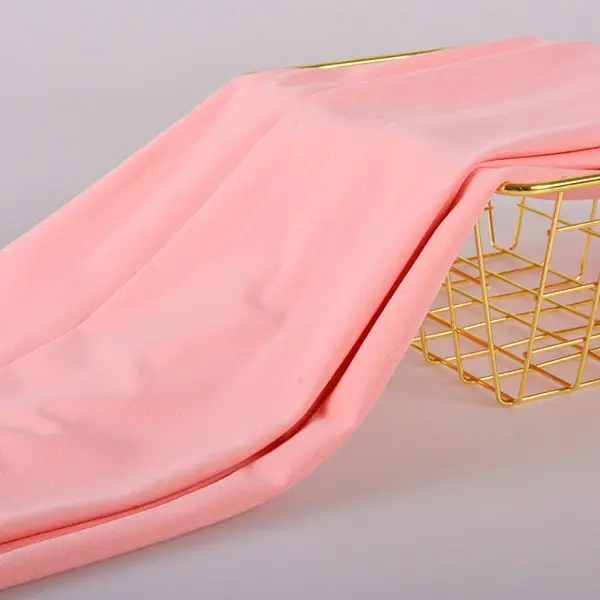
Quick Dry Stretch Fabric is a functional textile designed to provide fast moisture evaporation and excellent elasticity. Unlike traditional fabrics that absorb and retain sweat, quick dry fabrics help transport moisture away from the skin. The stretch function allows garments to move naturally with the body during exercise and daily activities. This combination makes the fabric suitable for high-performance clothing where comfort and flexibility are important.
Performance apparel needs to handle several challenges during physical activities. The human body produces heat and sweat during exercise. Without effective moisture management, clothing can become heavy, uncomfortable, and restrictive. Advanced fabrics help solve these problems by offering moisture-wicking performance, faster drying speed, better airflow, improved movement flexibility, and long-lasting shape retention.
The rise of fitness culture, outdoor activities, and active lifestyles has increased demand for multifunctional apparel. Consumers now expect clothing that works during workouts but also fits daily life. This trend has encouraged textile companies such as Ningbo Nashe Textile Co., Ltd to focus on developing fabrics that combine comfort and technical performance.
The main advantage of Quick Dry Stretch Fabric is its ability to manage moisture efficiently. During exercise, sweat needs to move away from the skin quickly. The fabric structure helps spread moisture across a larger surface area. This allows water to evaporate faster and keeps the wearer feeling dry. Compared with traditional fabrics that offer limited moisture control, slower drying speeds, and a tendency to feel heavy, Quick Dry Stretch Fabric delivers advanced moisture transport, faster evaporation, lightweight comfort, and higher efficiency in sweat management.
| Performance Feature | Traditional Fabric | Quick Dry Stretch Fabric |
| Moisture control | Limited | Advanced moisture transport |
| Drying speed | Slower | Faster evaporation |
| Comfort during exercise | Can feel heavy | Lightweight and comfortable |
| Sweat management | Lower efficiency | Higher efficiency |
Stretch performance is another important feature of functional apparel. Activities such as running, yoga, cycling, and training require unrestricted movement. The elasticity of quick dry stretch fabric allows garments to follow body movement without creating discomfort. High-quality stretch fabrics also provide good recovery after repeated stretching. This helps garments maintain their original shape over time.
Weight and airflow directly affect wearing experience. Lightweight quick dry fabrics reduce the feeling of heaviness during sports activities. Fabric structures such as mesh knitting can improve ventilation. Better airflow helps regulate body temperature and improves overall comfort.
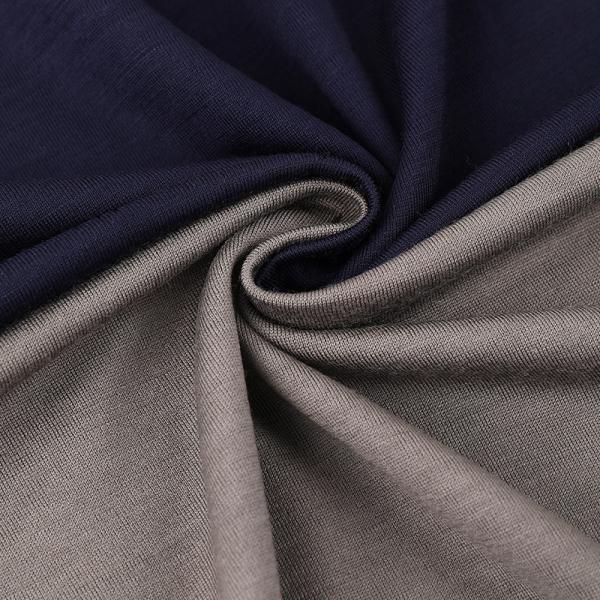
Most Quick Dry Stretch Fabric products use polyester and spandex blends. Polyester provides low moisture absorption, good abrasion resistance, stable dimensions, and fast drying performance. Spandex provides high elasticity, excellent recovery, and flexible movement support. Together, these fibers create a balanced solution for performance apparel.
Fiber composition alone does not determine fabric performance. The knitting structure and textile construction also affect air permeability, stretch level, surface feel, moisture movement, and durability. Warp knitting and specialized mesh structures are commonly used to improve performance.
When selecting fabrics, buyers should evaluate multiple technical factors. GSM determines fabric weight and application suitability. Yarn size influences texture and durability. Stretch recovery affects garment shape retention. Breathability controls comfort during activity. Moisture-wicking ability improves sweat management. Wash durability determines product lifespan.
| Fabric Factor | Impact on Apparel Performance |
| GSM | Determines fabric weight and application suitability |
| Yarn size | Influences texture and durability |
| Stretch recovery | Affects garment shape retention |
| Breathability | Controls comfort during activity |
| Moisture-wicking ability | Improves sweat management |
| Wash durability | Determines product lifespan |
Sportswear places high demands on fabric because athletes generate significant body heat and moisture while performing repetitive, high-intensity movements. Lightweight quick dry stretch materials are widely selected for running shirts, training tops, gym wear, and cycling jerseys because they allow unrestricted motion and rapidly move sweat away from the skin. The combination of moisture transport and stretch recovery helps garments stay close to the body without binding or sagging, which is especially important during prolonged sessions of interval training or endurance activities. Designers and product developers typically look for balanced stretch in both length and width so that sleeves, side panels, and underarm areas can expand and recover repeatedly without losing shape. For brands targeting competitive or serious recreational athletes, consistent drying speed and reliable recovery after laundering become decisive factors in fabric selection.
Outdoor clothing must perform across changing environmental conditions, including temperature shifts, wind, and occasional contact with rough surfaces. Quick dry stretch fabrics used in this category often incorporate additional functional attributes such as ultraviolet protection, enhanced abrasion resistance, and improved temperature regulation while retaining good breathability. Hiking shirts, travel pants, and multi-activity outer layers benefit from these properties because they help keep the wearer comfortable during long periods of movement and rest. The stretch component supports natural body motion when climbing, reaching, or carrying loads, while the quick-drying characteristic reduces the risk of prolonged dampness after sweating or light precipitation. Buyers evaluating fabrics for outdoor programs usually examine durability under repeated flexing and the ability of the material to maintain its performance after exposure to sunlight and outdoor soiling.
Many consumers now prefer garments that move easily between exercise and everyday settings. Quick dry stretch fabric meets this need by delivering technical performance without the stiff or overly technical appearance sometimes associated with pure sportswear. It is increasingly applied in casual activewear, travel clothing, and comfortable everyday pieces such as soft shell tops, lightweight trousers, and hybrid jackets. The fabric’s ability to manage moisture and recover its shape after movement supports all-day wearability, while its relatively light hand and good drape allow designers greater freedom in silhouette and styling. For brands focused on versatile lifestyle collections, the material offers a practical way to satisfy customers who want clothing that remains comfortable whether they are commuting, traveling, or engaging in light physical activity.
Beyond the inherent properties of the fiber and construction, specialized finishing treatments can further enhance the moisture-handling capability of quick dry stretch fabric. These finishes modify the surface energy of the yarns so that liquid moisture spreads more rapidly across a larger surface area, accelerating evaporation. When applied correctly, the treatments remain effective through multiple wash cycles and do not compromise the fabric’s stretch or soft hand. For garments intended for extended training sessions or multi-hour outdoor use, improved finishing can make a noticeable difference in how dry the wearer feels. Manufacturers and buyers evaluate the durability of these finishes through standardized testing to ensure that performance claims remain valid after regular care.
During prolonged physical activity, residual moisture and body heat create conditions that favor bacterial growth, which in turn leads to odor. Many modern quick dry stretch fabrics incorporate antimicrobial agents or odor-control treatments that inhibit the multiplication of odor-causing bacteria on the fabric surface. These treatments help garments stay fresher for longer periods between washes, which is particularly valued in travel apparel, multi-day outdoor programs, and intensive training wear. The technology is typically designed to work in harmony with the moisture-management system so that it does not interfere with wicking or stretch recovery. Brands that emphasize hygiene and long-wear comfort often specify these functions as part of their technical requirements.
Sustainability considerations now influence fabric development across the performance apparel sector. Producers are increasingly incorporating recycled polyester derived from post-consumer bottles or industrial waste streams, adopting lower-impact dyeing methods, and reducing water and energy consumption during manufacturing. These efforts aim to lower the environmental footprint of quick dry stretch fabrics while preserving the technical properties that buyers and end users expect. As regulations and consumer preferences continue to evolve, fabrics that combine reliable moisture management, stretch recovery, and verified sustainable content are becoming more competitive in the marketplace. Forward-looking suppliers invest in transparent supply chains and third-party certifications to support brand claims and long-term product strategies.
Proper care is essential to preserve both the moisture-management performance and the elastic recovery of quick dry stretch fabric over the life of a garment. Washing in moderate or cold water with a mild detergent helps protect the fiber surface and any applied finishes. Harsh chemicals, especially chlorine bleach, should be avoided because they can degrade stretch yarns and reduce the effectiveness of moisture treatments. Air drying is generally preferred; high-heat machine drying may accelerate loss of elasticity and dimensional stability. When ironing is necessary, a low temperature setting should be used and direct contact with any special coatings minimized. Following these practices helps maintain the fabric’s technical characteristics through repeated wear and laundering cycles, ensuring that the finished garments continue to deliver the intended comfort and performance.
| Care Method | Recommendation |
| Washing temperature | Use moderate or cold water |
| Detergent | Choose mild detergent |
| Drying | Air drying is preferred |
| Bleaching | Avoid bleach products |
| Ironing | Use low temperature if necessary |
Selecting a supplier begins with a clear assessment of technical competence. Brands should examine the supplier’s experience in producing performance fabrics, the scope of available testing equipment, and the consistency of quality-control procedures. Reliable partners can supply detailed specification sheets covering composition, GSM, stretch and recovery percentages, moisture-wicking rates, and colorfastness data. They should also be able to demonstrate that production batches meet agreed standards and that any finishing processes are applied uniformly. Visiting production facilities or reviewing third-party audit reports further strengthens confidence in the supplier’s ability to deliver consistent material.
Different end uses impose different technical priorities. A lightweight running shirt prioritizes rapid drying, high breathability, and soft hand feel, whereas outdoor pants or multi-activity layers may require greater abrasion resistance, dimensional stability under load, and possibly additional protective features. Brands benefit from mapping the specific performance demands of each garment category and then matching those demands to fabric options that the supplier can reliably produce. Clear communication of target end uses helps the supplier recommend appropriate constructions, yarn counts, and finishing packages rather than offering a generic solution.
Long-term product success depends on collaboration with textile partners who understand both technical requirements and commercial realities. Professional suppliers support brands through sample development, performance validation, and timely production scaling. They can advise on realistic lead times, minimum order quantities, and potential adjustments that improve manufacturability without sacrificing function. Companies looking for suitable solutions can contact our team to discuss fabric requirements and application needs so that material selection aligns with design intent, performance targets, and market expectations.
Quick Dry Stretch Fabric has become a key material for modern performance apparel because it combines moisture management, flexibility, comfort, and durability. As consumers continue to demand clothing that performs across sports, outdoor activities, and everyday life, functional fabrics will remain an important area of textile innovation. With advances in sustainable materials and smart textile technologies, quick dry stretch fabrics will continue improving and supporting the future development of performance clothing.
What Is Quick Dry Stretch Fabric Made Of?
Most Quick Dry Stretch Fabric is made from polyester blended with spandex. Polyester provides quick drying and durability, while spandex provides elasticity and recovery.
Why Is Quick Dry Stretch Fabric Popular in Sportswear?
It helps control sweat, improves comfort, and allows greater freedom of movement. These features make it suitable for activities such as running, fitness training, yoga, and cycling.
How Does Quick Dry Stretch Fabric Keep Clothes Dry?
The fabric moves moisture away from the skin and spreads it across the fabric surface. This allows sweat to evaporate faster compared with traditional materials.
Is Quick Dry Stretch Fabric Durable?
Yes. High-quality versions offer strong abrasion resistance, shape retention, and long-term performance when properly maintained.
How Should Quick Dry Stretch Fabric Be Washed?
Use mild detergent, avoid bleach, and follow manufacturer care instructions. Air drying is usually recommended to protect fabric performance.