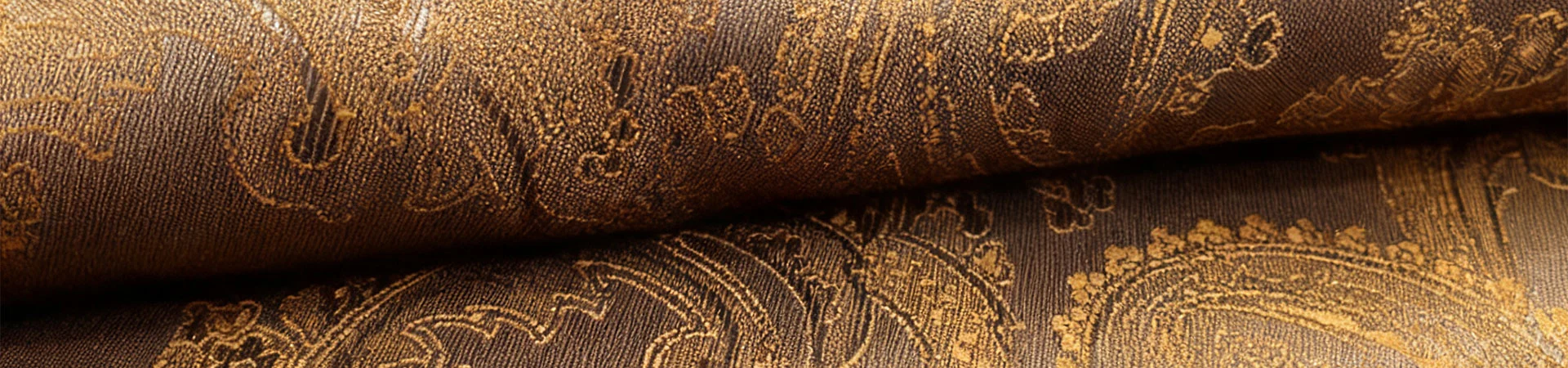
Abstract: Triacetate fabric is a versatile textile increasingly chosen for performance, comfort, and durability in apparel and home textiles. This article clarifies what triacetate fabric is, why it might solve your textile challenges, how it compares to other fabrics, where it's most effectively used, and how to care for it. We also address common questions that buyers and designers face when considering triacetate textile solutions.

Table of Contents
- What Is Triacetate Fabric?
- Key Properties and Benefits
- Primary Applications
- Performance Comparison with Other Fabrics
- How to Select the Right Triacetate Fabric
- Care and Maintenance
- FAQ – Common Buyer Questions
- Conclusion and Contact
What Is Triacetate Fabric?
Triacetate fabric is a semi-synthetic textile made from cellulose acetate where three hydroxyl groups in cellulose are fully converted into acetate groups. Unlike standard acetate, triacetate undergoes a unique modification that enhances thermal stability and dimensional resilience. It blends the natural feel of cellulose-derived fibers with performance characteristics that support finished products with reliable structure and appearance.
This textile type serves as an intermediary between fully synthetic fibers like polyester and natural fibers such as cotton and silk. It attracts designers and technical buyers for its distinct balance of comfort and engineered performance.
Key Properties and Benefits
Triacetate fabric provides a combination of practical attributes that address common pain points in garment and textile procurement. The table below outlines the major benefits:
| Property | Customer Benefit |
|---|---|
| Dimensional Stability | Resists shrinkage and maintains shape after washing and wearing. |
| Wrinkle Resistance | Reduces ironing time and keeps garments looking smooth. |
| Soft Hand Feel | Comfortable wear, similar to natural fibers. |
| Color Retention | Keeps vibrant colors longer, reducing premature fading. |
| Moisture Management | Balances breathability and moisture handling for comfortable wear. |
| Thermal Stability | Higher heat tolerance makes finishing processes easier. |
Primary Applications
Triacetate fabric’s profile makes it suitable for a range of product categories where appearance, comfort, and performance are essential. Typical applications include:
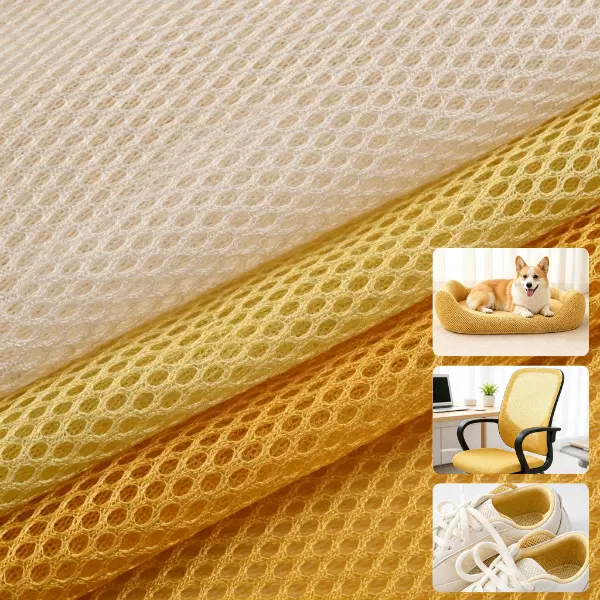
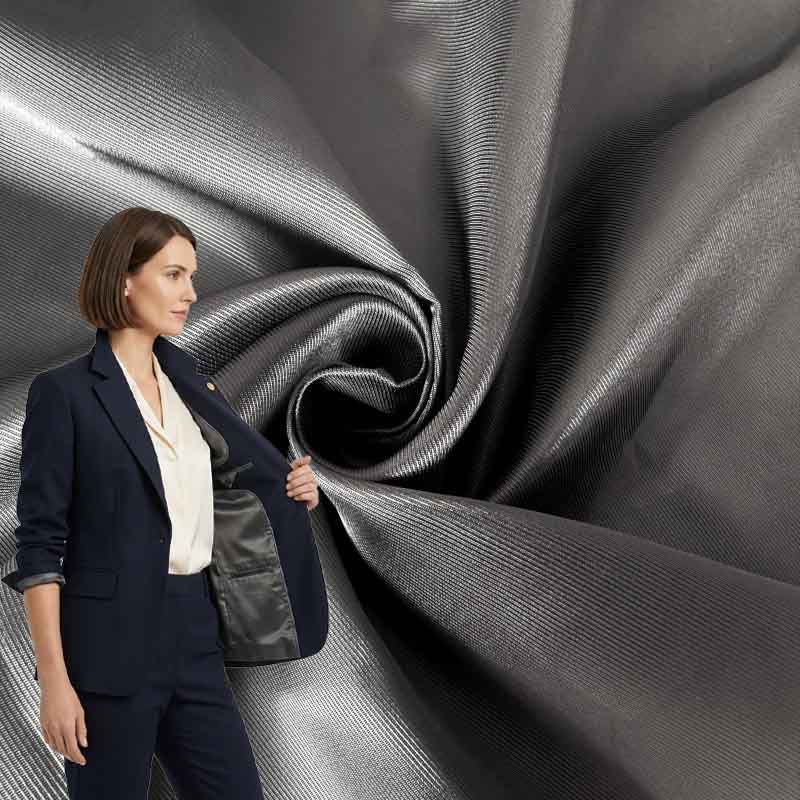
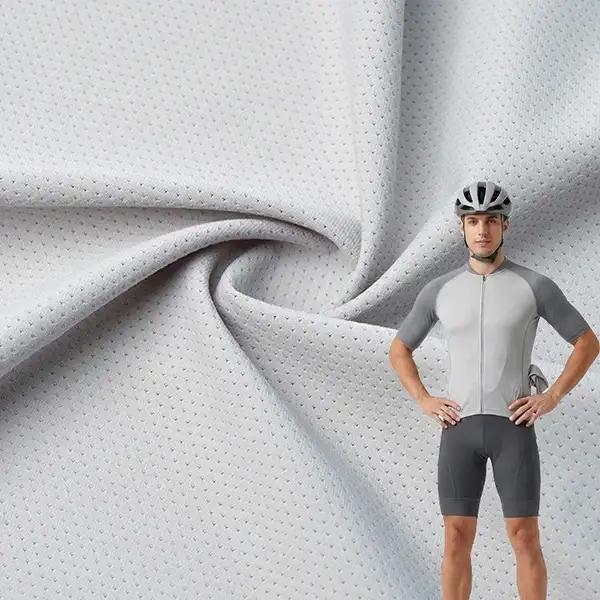
- Apparel: Dresses, skirts, linings, blouses, performance wear, and uniforms.
- Home Textiles: Drapery, upholstery, decorative fabrics, and bedding accents.
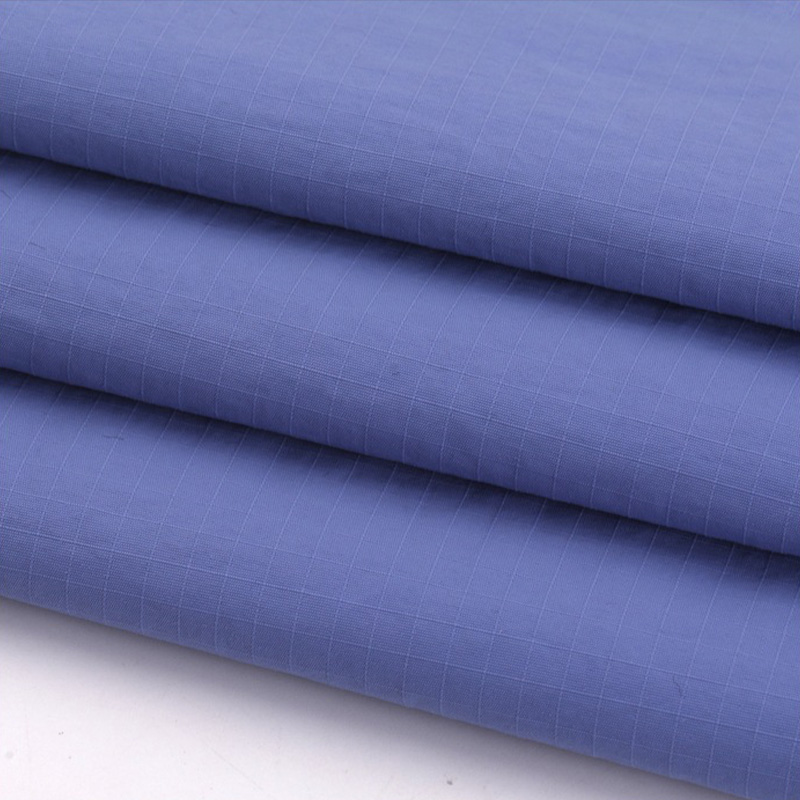
- Industrial and Technical: Specialty textiles that require consistent dimensions and smooth finish.
The smooth surface and dimensional resilience encourage use in products that must hold pleats or specific shapes without frequent maintenance.
Performance Comparison with Other Fabrics
Buyers often weigh triacetate fabric against alternatives like polyester, cotton, and rayon. Below is a concise comparison:
- Triacetate vs. Polyester: Polyester excels in strength and cost-effectiveness, but triacetate offers superior hand feel and often better drape with less rigidity.
- Triacetate vs. Cotton: Cotton feels more natural and breathable in hot climates, but triacetate generally resists wrinkles and shrinkage better.
- Triacetate vs. Rayon: Rayon’s softness and moisture absorption are strong, however triacetate provides greater dimensional stability and shape retention.
When selecting a fabric for fashion, performance, or décor, understanding these trade-offs helps align textile performance with product goals.
How to Select the Right Triacetate Fabric
Choosing the right triacetate fabric depends on specific project requirements. Here’s a guide to key considerations:
- End Use: Identify whether the fabric is for apparel, décor, or specialized textile products. Appearance, drape, and hand feel vary accordingly.
- Weight and Thickness: Lighter weights suit flowing garments; medium weights work well for structured apparel and home textiles.
- Finish and Treatment: Options like calendaring, embossing, and surface coatings impact sheen, texture, and performance.
- Dyeing and Color Matching: Ensure suppliers provide colorfastness testing and consistency across batches.
- Certifications: For specific markets, check for required safety or environmental compliance marks.
Care and Maintenance
Proper care helps extend the service life of triacetate fabrics. Follow these general care recommendations:
- Machine wash on gentle cycles with mild detergents.
- Avoid high heat drying; prefer low-temperature tumble dry or line dry.
- Remove promptly from washer to reduce wrinkles.
- Iron at low to medium heat if necessary; high heat can distort shapes.
- Store in cool, dry conditions to avoid permanent creasing.
Always check supplier-specific instructions, since fabric finish and treatments may require tailored care.
FAQ – Common Buyer Questions
- Is triacetate fabric breathable? Yes. It provides balanced breathability suitable for everyday wear, though not as highly ventilated as some natural fibers.
- Can triacetate be blended with other fibers? Yes. Blends with polyester, cotton, or spandex adjust performance characteristics such as stretch, durability, or feel.
- Does triacetate shrink? Triacetate is engineered to resist shrinkage under normal washing conditions when care guidelines are followed.
- Is the color fast? Proper dyeing and finishing ensure good color retention; confirm with suppliers on testing standards.
- Can triacetate hold pleats? Yes. One of its strengths is excellent pleat retention, making it ideal for garments with structured elements.
Conclusion and Contact
Triacetate fabric offers a dependable option for anyone seeking a textile that bridges comfort with engineered performance. Whether your project demands wrinkle resistance, shape stability, or a soft finish, triacetate stands as a strong candidate among modern fabrics.
Ningbo Nashe Textile Co., Ltd. leverages deep industry expertise to provide high-quality triacetate fabric solutions tailored to diverse application needs. Explore options that align with your product goals and production requirements. Contact us today to discuss customized textile solutions, request samples, and receive professional guidance on integrating triacetate fabric into your lineup.