News

Furniture Mesh Fabric Gains Popularity in Modern Furniture Manufacturing

2026-08-21 0 Leave me a message

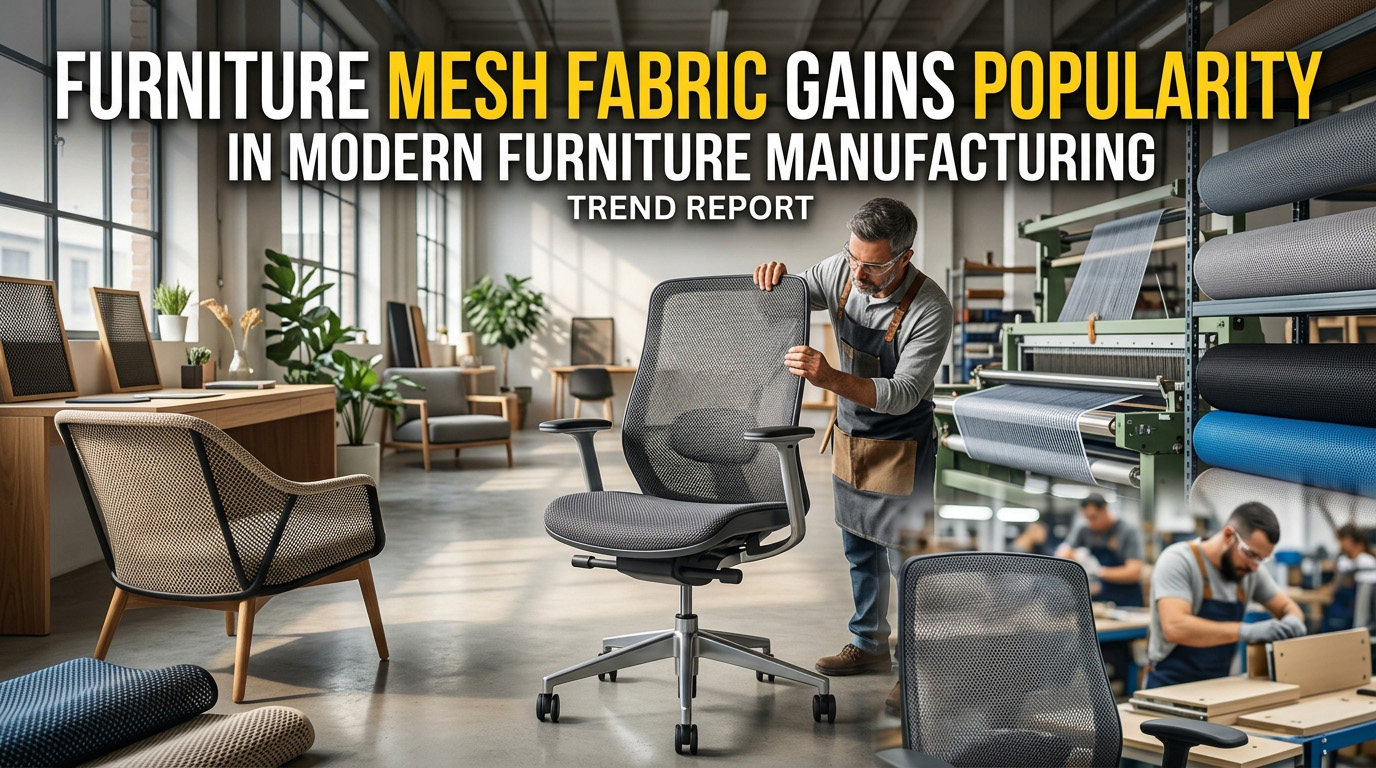
Furniture Mesh Fabric has emerged as a preferred material in contemporary seating design, driven by evolving demands for comfort, performance, and aesthetics across office, commercial, residential, and outdoor environments. As manufacturers and designers prioritize materials that support long-term sitting while delivering durability and visual lightness, this specialized textile continues to reshape product development.

Table of Contents

  1. Why Furniture Mesh Fabric Is Gaining Popularity
  2. What Is Furniture Mesh Fabric?
  3. Key Performance Characteristics of Furniture Mesh Fabric
  4. Polyester vs. Nylon Furniture Mesh Fabric
  5. Furniture Mesh Fabric Specifications Manufacturers Should Evaluate
  6. Furniture Applications for Furniture Mesh Fabric
  7. Why Furniture Manufacturers Are Choosing Furniture Mesh Fabric
  8. How to Select the Right Furniture Mesh Fabric
  9. Sustainability and the Future of Furniture Mesh Fabric
  10. Frequently Asked Questions About Furniture Mesh Fabric
  11. Conclusion

1. Why Furniture Mesh Fabric Is Gaining Popularity

1.1 Changing Requirements in Modern Furniture Manufacturing

Modern furniture manufacturing operates under shifting expectations. Office environments increasingly emphasize prolonged concentration and well-being, commercial spaces demand high-traffic durability with professional appearance, homes favor versatile and comfortable pieces, and outdoor lifestyles call for materials that withstand weather while remaining inviting. These contexts have moved selection criteria beyond surface appearance alone. Buyers and designers now seek textiles that simultaneously deliver comfort, breathability, structural support, and reliable long-term performance. Furniture Mesh Fabric answers this integrated set of requirements by combining technical function with contemporary design language.

1.2 Why Traditional Furniture Fabrics Are No Longer Enough

Dense conventional upholstery fabrics excel at coverage and traditional aesthetics, yet they often restrict airflow. During extended sitting periods common in offices and work-from-home settings, heat and moisture can accumulate between the sitter and the seat or backrest, leading to discomfort and reduced concentration. Mesh constructions address this limitation through intentional openness, allowing air to circulate and helping maintain a more stable microclimate around the body.

1.3 The Role of Furniture Mesh Fabric in Modern Seating

Furniture Mesh Fabric is engineered around the principles of airflow, controlled flexibility, supportive tension, and mechanical durability. Its open structure makes it particularly suitable for office chairs, ergonomic task seating, lounge pieces, and outdoor furniture where breathability and resilience must coexist. By balancing these attributes, the material supports both user comfort and the structural ambitions of modern chair design.

2. What Is Furniture Mesh Fabric?

2.1 Furniture Mesh Fabric Structure

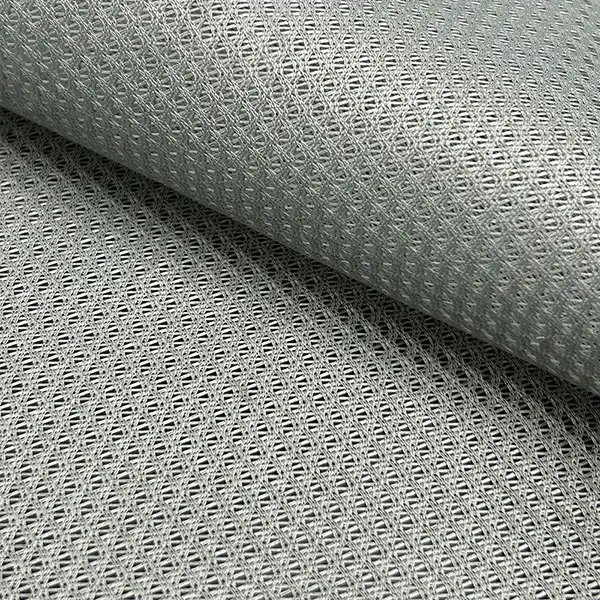
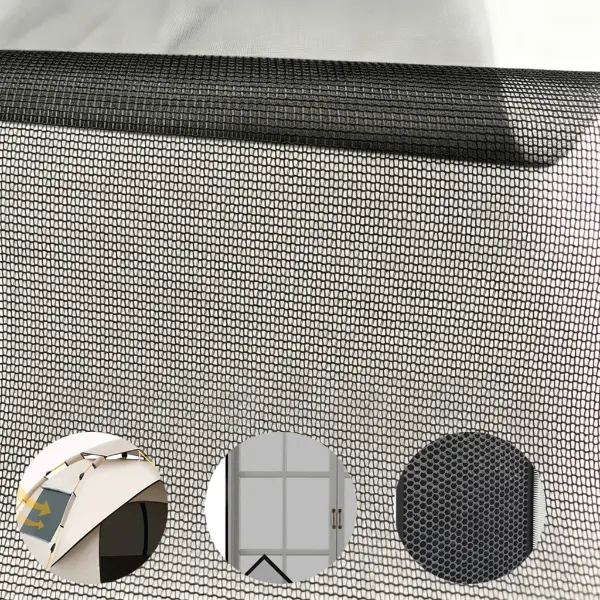
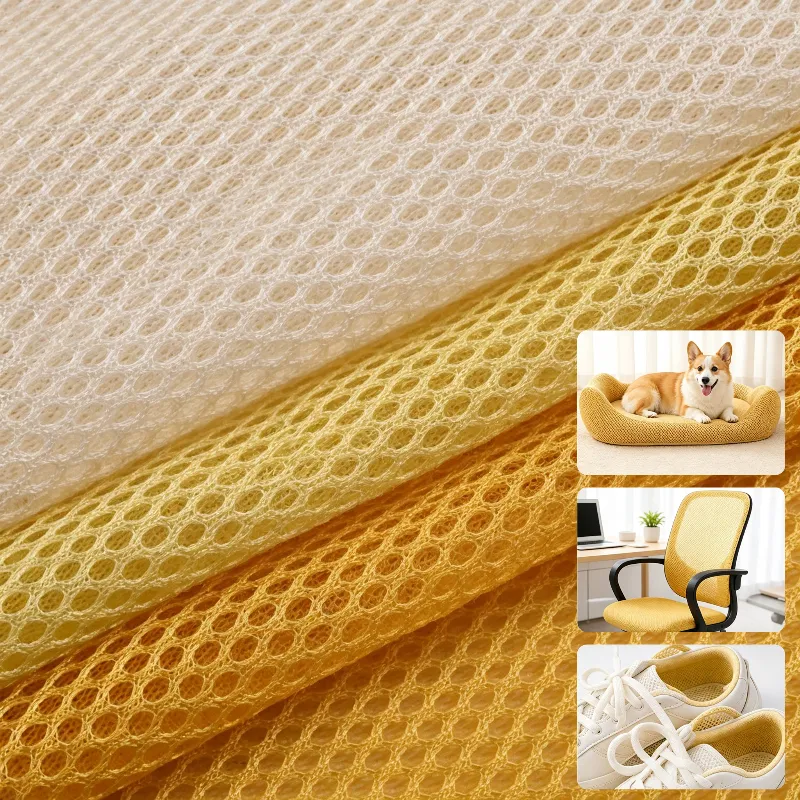
Furniture Mesh Fabric is a textile constructed with deliberate openings, typically through knit or woven techniques that create a network of yarns rather than a continuous dense surface. Unlike conventional upholstery fabrics that prioritize solid coverage, mesh relies on spaced yarns to form a permeable yet load-bearing structure. This open architecture is the foundation of its distinctive performance profile.

2.2 How Open Mesh Construction Improves Breathability

The openings within the mesh create continuous air channels. When a person sits, air can move freely through the fabric rather than being trapped against the body. Higher air permeability directly reduces heat buildup and moisture retention, contributing to greater comfort during multi-hour use. This characteristic distinguishes mesh from solid fabrics and underpins its popularity in seating intended for extended occupation.

2.3 Mesh Fabric Comfort, Support, and Flexibility

Breathability alone does not guarantee comfort or support. Mesh size, yarn type, density, and overall construction determine how the fabric distributes pressure, stretches under load, and recovers after use. Properly engineered Furniture Mesh Fabric provides flexible yet controlled support, allowing the material to conform to body contours while maintaining postural integrity. Designers must therefore evaluate these variables together rather than assuming that openness automatically equals ergonomic performance.

2.4 Lightweight Design and Modern Furniture Aesthetics

The open structure of mesh reduces visual mass, lending furniture a lighter, more contemporary presence. This quality aligns with minimalist, ergonomic, and architecturally influenced design languages that favor transparency, clean lines, and reduced bulk. Mesh enables frames to remain visible and forms to appear more open, supporting the aesthetic preferences of current commercial and residential markets.

3. Key Performance Characteristics of Furniture Mesh Fabric

3.1 Abrasion Resistance

Daily sitting generates repeated friction between clothing and the seating surface. High abrasion resistance ensures the fabric maintains integrity and appearance under this continuous wear, making it essential for office and commercial applications where chairs experience frequent use.

3.2 Tear Strength and Tensile Strength

Tear strength indicates resistance to progressive damage once a cut or puncture begins, while tensile strength measures the fabric’s ability to withstand pulling and stretching forces. Together these properties determine how well the material performs when tensioned over frames or subjected to concentrated loads.

3.3 Elasticity and Resilience

Elasticity allows the fabric to stretch under body weight; resilience describes its ability to recover original dimensions after repeated compression and extension. Strong recovery prevents permanent sagging and helps maintain consistent support over the product’s service life.

3.4 Dimensional Stability

Fabric dimensions must remain consistent during cutting, upholstery, and long-term use. Dimensional stability supports accurate manufacturing tolerances and prevents distortion that could compromise fit or appearance after installation.

3.5 Air Permeability

Air permeability is a defining advantage of mesh. Quantifiable airflow through the structure correlates directly with reduced heat accumulation and improved thermal comfort, particularly in task and ergonomic seating.

3.6 UV, Moisture, and Weather Resistance

Outdoor applications introduce additional stresses from sunlight, humidity, temperature cycling, and precipitation. Specialized outdoor Furniture Mesh Fabric incorporates UV stabilizers and moisture-resistant properties to limit degradation under these conditions. Indoor-grade mesh should not be assumed suitable for exterior exposure without verification.

3.7 Flame Retardancy and Antibacterial Performance

Certain markets and applications impose requirements for flame retardancy or antimicrobial finishes. These attributes are application- and regulation-dependent; manufacturers must confirm relevance according to target markets, end-use environments, and applicable standards.

Comparison Table: Furniture Mesh Fabric Performance Indicators

Performance Indicator Why It Matters Key Applications
Abrasion Resistance Handles repeated friction Office chairs, commercial seating
Tear Strength Helps resist tearing High-use furniture
Tensile Strength Supports structural durability Seating and upholstery
Elasticity Improves flexibility and comfort Ergonomic chairs
Dimensional Stability Maintains shape and dimensions Large-scale manufacturing
Air Permeability Supports airflow and comfort Office and ergonomic chairs
UV Resistance Helps withstand sunlight Outdoor furniture
Moisture Resistance Supports outdoor performance Outdoor seating

4. Polyester vs. Nylon Furniture Mesh Fabric

4.1 Polyester Furniture Mesh Fabric

Polyester offers a balanced combination of strength, dimensional stability, abrasion resistance, and overall durability. These traits make polyester mesh a frequent choice for high-frequency office and commercial seating where consistent performance and cost-effectiveness are priorities.

4.2 Nylon Furniture Mesh Fabric

Nylon typically provides greater toughness, flexibility, elasticity, and recovery. It can be advantageous in designs that demand higher stretch or more dynamic support characteristics.

4.3 Choosing Between Polyester and Nylon

Neither fiber is universally superior. Selection depends on chair architecture, expected usage intensity, specific performance targets, budget constraints, environmental conditions, and the desired hand feel. Prototyping and testing against the intended application remain the most reliable decision methods.

4.4 How Yarn Specification Affects Furniture Mesh Performance

Yarn type, thickness, filament structure, and any blended constructions significantly influence final strength, elasticity, surface texture, and durability. Procurement teams should treat yarn specification as a core technical parameter rather than a secondary detail.

Comparison Table: Polyester vs. Nylon Mesh

Characteristic Polyester Nylon
Strength Good Excellent
Abrasion Resistance Good to excellent Excellent
Flexibility Good Very good
Elasticity/Recovery Good Very good
Dimensional Stability Very good Good
Typical Furniture Uses Office and commercial seating Flexible ergonomic seating

5. Furniture Mesh Fabric Specifications Manufacturers Should Evaluate

5.1 GSM and Fabric Weight

Grams per square meter (GSM) indicates fabric weight. Higher GSM often correlates with greater substance and durability, while lower GSM can favor lighter aesthetics and easier handling. Weight must be matched to structural and design goals.

5.2 Fabric Density

Density affects coverage, support, airflow, and abrasion performance. Higher density generally increases durability and opacity; lower density enhances openness and permeability. The optimal range depends on the balance required by the application.

5.3 Mesh Size and Mesh Structure

Opening size and pattern determine the interplay of airflow, visual texture, flexibility, and load distribution. Different structures produce distinct combinations of these attributes, allowing designers to fine-tune performance and appearance.

5.4 Yarn Specification

Yarn characteristics govern strength, elasticity, hand feel, and resistance to wear. Consistent yarn quality across production batches is essential for reliable product performance.

5.5 Elasticity and Recovery

Manufacturers should verify not only initial stretch but also recovery after repeated loading cycles. Poor recovery leads to sagging and diminished support over time.

5.6 Air Permeability and Comfort

Measured air permeability provides an objective indicator of breathability. Higher values generally support better thermal comfort during prolonged sitting, particularly in ergonomic and task chairs.

5.7 Testing and Quality Consistency

Batch-to-batch consistency in GSM, density, strength, elasticity, and air permeability is critical for scalable production. Standard testing for abrasion, tensile and tear strength, dimensional stability, and permeability helps ensure reliable quality.

6. Furniture Applications for Furniture Mesh Fabric

6.1 Furniture Mesh Fabric for Office Chairs

Office chairs represent a primary application because users often sit for extended periods. Mesh delivers the necessary combination of breathability, durable support, and compatibility with ergonomic mechanisms, helping maintain comfort and reduce heat buildup throughout the workday.

6.2 Furniture Mesh Fabric for Ergonomic Chairs

In ergonomic designs, mesh works in concert with flexible frames and adjustable supports. The material’s controlled elasticity allows the backrest to respond dynamically to posture changes while promoting continuous airflow.

6.3 Furniture Mesh Fabric for Conference Chairs

Conference environments demand professional appearance alongside resistance to frequent use. Mesh provides a clean, modern look and sufficient durability for meeting rooms and shared seating.

6.4 Furniture Mesh Fabric for Lounge Chairs

Lounge applications emphasize comfort, tactile quality, and contemporary styling. Mesh contributes visual lightness and breathable seating surfaces that suit relaxed yet design-conscious settings.

6.5 Furniture Mesh Fabric for Outdoor Chairs

Outdoor chairs require additional resistance to UV radiation, moisture, and weather cycling. Specialized outdoor mesh supports airflow and drainage while protecting against environmental degradation. Indoor mesh grades are not automatically suitable for exterior use.

6.6 Furniture Mesh Fabric for Dining Chairs and Other Seating

Dining and occasional seating benefit from mesh when lightweight construction, durability, and easy maintenance are valued. The material can reduce visual bulk while providing practical performance for everyday use.

7. Why Furniture Manufacturers Are Choosing Furniture Mesh Fabric

7.1 Better Breathability During Long-Term Sitting

Air movement through the open structure mitigates heat and moisture accumulation, delivering a tangible comfort advantage in applications involving hours of continuous occupation.

7.2 Durability for High-Frequency Use

Strong abrasion resistance, tensile and tear strength, and dimensional stability extend product service life under intensive commercial or institutional use, reducing replacement frequency and supporting warranty claims.

7.3 Greater Design Flexibility

Available variations in color, texture, mesh size, and structural pattern give designers expanded aesthetic and functional options without sacrificing core performance.

7.4 Lightweight and Contemporary Appearance

Open constructions create a sense of visual lightness that aligns with modern minimalist and ergonomic design trends, enhancing market appeal.

7.5 Manufacturing and Upholstery Considerations

Consistent dimensional stability facilitates accurate cutting and tensioning over frames. Compatibility with standard sewing and upholstery processes supports efficient production when specifications are well matched to manufacturing methods.

7.6 Product Differentiation and Market Competitiveness

Performance-oriented mesh enables manufacturers to address rising consumer expectations around ergonomics, all-day comfort, durability, and contemporary aesthetics, helping products stand out in competitive segments.

8. How to Select the Right Furniture Mesh Fabric

8.1 Match Furniture Mesh Fabric to the Application

Begin with the intended use—task seating, lounge, outdoor, or multi-purpose—rather than selecting solely on visual preference. Application dictates the necessary balance of properties.

8.2 Consider Indoor or Outdoor Use

Outdoor applications impose stricter requirements for UV stability, moisture resistance, and weather durability. Confirm that the chosen mesh is formulated and tested for exterior conditions when relevant.

8.3 Evaluate Performance Requirements

A practical evaluation checklist includes abrasion resistance, tear strength, tensile strength, elasticity and recovery, dimensional stability, air permeability, UV resistance where applicable, and flame retardancy when required by regulation or market.

8.4 Check Fabric Construction and Consistency

Review mesh structure, density, GSM, yarn specification, and evidence of batch-to-batch consistency. These factors collectively determine both performance and manufacturing reliability.

8.5 Consider Color, Texture, and Design

Visual and tactile attributes must be balanced against technical requirements. Colorfastness and texture durability should be verified alongside aesthetic appeal.

8.6 Discuss Requirements With a Textile Supplier

Provide suppliers with detailed information on intended application, performance targets, furniture construction methods, expected usage intensity, and target markets. Clear communication enables more accurate recommendations. Companies such as Ningbo Nashe Textile Co., Ltd can serve as a technical resource when evaluating suitable options against specific project needs. If you need help evaluating a suitable Furniture Mesh Fabric for your application, contact our team to discuss your technical and product requirements.

9. Sustainability and the Future of Furniture Mesh Fabric

9.1 Recycled Polyester Furniture Mesh Fabric

Recycled polyester offers one pathway toward more responsible fiber sourcing by utilizing post-consumer or post-industrial material. While it can reduce reliance on virgin resources, overall environmental impact still depends on processing, dyeing, finishing, and product longevity.

9.2 Lower-Impact Textile Manufacturing

Opportunities exist in process efficiency, reduced waste, optimized material use, and energy management during production. These improvements complement material choices in advancing lower-impact outcomes.

9.3 Sustainable Dyeing and Finishing

Dyeing and finishing stages significantly influence a textile’s environmental profile. Advances in water and chemical management, as well as lower-impact chemistries, contribute to more responsible production.

9.4 High-Performance and Sustainable Furniture Materials

The industry continues to seek materials that deliver durability, functionality, and aesthetics while addressing environmental considerations. Longevity itself remains a key sustainability factor, as longer-lasting products reduce replacement frequency.

9.5 Future Development of Furniture Mesh Fabric

Ongoing development is expected to focus on enhanced elasticity and recovery, higher abrasion and UV resistance, improved flame retardancy and antibacterial options where needed, further gains in breathability, and expanded sustainable material pathways. These advances will broaden mesh applicability across office, ergonomic, commercial, residential, and outdoor furniture.

10. Frequently Asked Questions About Furniture Mesh Fabric

10.1 What Is Furniture Mesh Fabric?

Furniture Mesh Fabric is an open-structured textile designed for seating applications. Its network of yarns creates airflow channels while providing controlled flexibility and support. It is widely used in office chairs, ergonomic seating, lounge furniture, and outdoor chairs.

10.2 Is Furniture Mesh Fabric Suitable for Office Chairs?

Yes. Its breathability is especially valuable for chairs used over long periods, helping reduce heat buildup while delivering the durability and support required in professional environments.

10.3 Is Polyester or Nylon Better for Furniture Mesh Fabric?

The preferred fiber depends on the required balance of strength, elasticity, recovery, dimensional stability, furniture design, and application conditions. Neither is universally superior; selection should follow performance testing against project needs.

10.4 Is Furniture Mesh Fabric Durable?

Durability is determined by fiber type, yarn specification, construction, density, finishing, and the specific demands of the end use. Properly specified mesh can provide excellent service life in high-use settings.

10.5 Is Furniture Mesh Fabric Suitable for Outdoor Furniture?

Specialized outdoor-grade mesh that incorporates UV resistance, moisture resistance, and weather durability can be suitable. Standard indoor mesh should not be assumed appropriate for exterior exposure.

10.6 What Should Furniture Manufacturers Check When Buying Mesh Fabric?

Key checks include GSM, density, mesh structure, yarn specification, air permeability, abrasion resistance, tensile and tear strength, elasticity and recovery, dimensional stability, and any required certifications or test reports.

10.7 How Does Mesh Fabric Improve Chair Comfort?

The open structure promotes continuous airflow that reduces heat and moisture accumulation. When construction, density, and elasticity are properly balanced, the fabric also provides flexible support that conforms to the body without excessive sagging.

10.8 Can Furniture Mesh Fabric Be Customized?

Customization is often possible in fiber composition, yarn specification, mesh structure, density, GSM, color, texture, and selected performance finishes, subject to the technical capabilities of the supplier and minimum order considerations.

11. Conclusion

11.1 Why Furniture Mesh Fabric Matters to Modern Furniture Manufacturing

Furniture Mesh Fabric successfully integrates breathability, comfort, supportive flexibility, mechanical durability, lightweight construction, and contemporary aesthetics. These attributes address the practical and design demands of today’s office, ergonomic, commercial, residential, and outdoor seating. Effective material selection rests on matching measurable performance characteristics to the specific furniture application rather than relying on generic assumptions. Continued progress in recycled fibers, advanced constructions, and performance finishing is likely to expand the role of mesh textiles further. For furniture manufacturers evaluating mesh solutions for new products, contact our team to discuss the required fabric specifications and application needs.

Related News
Leave me a message
X
We use cookies to offer you a better browsing experience, analyze site traffic and personalize content. By using this site, you agree to our use of cookies.Privacy Policy
RejectAccept