The global sportswear, fitness, yoga, outdoor, running, and athleisure markets continue to experience rapid growth, driven by rising health awareness and demand for versatile performance apparel. At the heart of this expansion is moisture wicking stretch fabric, a specialized textile engineered to keep athletes and active individuals dry, comfortable, and supported during movement.
Selecting the correct moisture wicking stretch fabric directly impacts end-product comfort, performance, durability, and brand competitiveness. Poor choices can lead to discomfort, premature wear, or customer dissatisfaction, while the right fabric enhances user experience and strengthens market positioning.
Ningbo Nashe Textile Co., Ltd stands as an experienced textile partner with deep expertise in developing high-performance sportswear fabrics. Before making purchasing decisions, buyers, designers, and wholesalers should thoroughly understand the key factors that determine fabric suitability for specific applications.
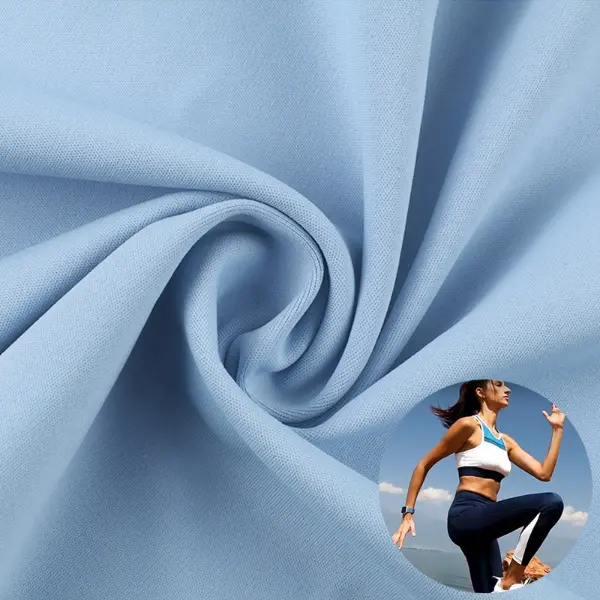
Moisture wicking stretch fabric is a high-performance textile that integrates advanced moisture management with superior elasticity. It actively pulls sweat away from the skin, transports it through the fabric, and facilitates rapid evaporation while providing stretch for unrestricted movement.
This combination of moisture management, elasticity, comfort, and flexibility makes it ideal for sportswear, compression clothing, yoga apparel, outdoor clothing, and other functional garments.
The technology relies on capillary action within specially engineered fibers and fabric structures. Sweat is drawn from the skin surface via microscopic channels in the fibers, moved across the fabric layers, and spread over a larger surface area for faster evaporation. This process keeps the wearer drier and cooler, reducing the clammy feeling associated with traditional fabrics.
Stretch enables freedom of movement, conforms to body-fitting designs, maintains shape retention, and minimizes restriction during dynamic activities. High-quality fabrics with excellent recovery prevent sagging or bagging after repeated use, ensuring garments perform consistently over time.
Effective sweat management is fundamental. High-performance fabrics demonstrate superior wicking rates in laboratory testing, quickly transporting moisture away from the body. Basic fabrics may absorb sweat but dry slowly, while premium options excel in both wicking and evaporation.
Drying speed depends on fiber structure, surface area, and hydrophobicity. Fast-drying properties are critical for high-intensity sports where prolonged wetness can cause chafing or discomfort.
Two-way stretch offers elasticity in one direction, while four-way stretch provides multi-directional flexibility. The spandex (elastane) ratio significantly influences recovery after stretching. Superior fabrics maintain elasticity even after many wear-wash cycles.
High air permeability and efficient heat release enhance comfort during extended workouts. Lightweight constructions reduce bulk without sacrificing performance.
Strong abrasion resistance, color retention, and maintained functionality after repeated laundering ensure long product life.
Key Fabric Performance Comparison
| Performance Factor | Why It Matters | Suitable Applications |
| Moisture Wicking | Removes sweat quickly | Running, training |
| Four-Way Stretch | Improves movement flexibility | Yoga, leggings |
| Breathability | Controls body temperature | Outdoor sports |
| Abrasion Resistance | Improves durability | Training apparel |
| Quick Drying | Reduces wet feeling | High-intensity sports |
Polyester offers excellent fast-drying properties, high durability, and cost
Nylon provides a softer hand feel, superior abrasion resistance, and a premium tactile experience, making it popular for high-end activewear and garments requiring both strength and comfort.
Spandex delivers essential elasticity, recovery, and body-contouring properties. Typical blends range from 5-25% spandex depending on required stretch and support levels.
Recycled polyester, bio-based fibers, and environmentally responsible manufacturing processes allow brands to meet sustainability goals while maintaining performance.
Fiber Comparison
| Fiber Type | Main Benefits | Common Uses |
| Polyester | Quick drying, durable | Sports shirts, training wear |
| Nylon | Soft, strong, abrasion resistant | Premium activewear |
| Spandex | Stretch and recovery | Leggings, compression wear |
| Recycled Polyester | Sustainability benefits | Eco-conscious brands |
Fabric construction and knitting structure are decisive factors that determine how a moisture wicking stretch fabric performs in real-world use. Even with excellent fiber composition, the wrong knit can undermine moisture management, stretch, or durability.
Single jersey knit is a lightweight, single-layer construction known for its excellent drape, softness, and breathability. It excels in applications requiring minimal weight and maximum flexibility. Common uses include running tops, sports T-shirts, base layers, and lightweight athleisure pieces. Its open structure promotes rapid moisture evaporation while offering good four-way stretch when combined with spandex.
Double knit (interlock or double jersey) constructions provide greater thickness, dimensional stability, and compressive support compared to single jersey. These fabrics resist curling at the edges and maintain shape better under stress. They are preferred for training apparel, compression garments, leggings, and high-support sports bras where muscle stability and opacity are important.
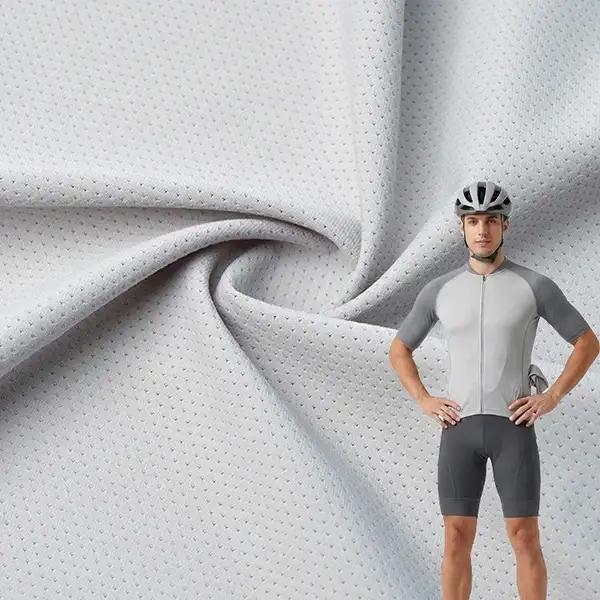
Mesh fabrics feature open-hole or honeycomb structures that dramatically increase airflow and ventilation. They are frequently used as inserts in high-heat zones (underarms, back) or as complete garments for hot-weather training. Mesh moisture wicking stretch fabric balances breathability with sufficient stretch, making it ideal for summer running gear, cycling jerseys, and intense gym sessions.
Designers and manufacturers should evaluate several variables when selecting construction:
A thorough understanding of these factors helps avoid costly mismatches between fabric performance and product expectations.
Functional finishes transform good base fabrics into high-performance solutions by adding or enhancing specific properties.
Advanced hydrophilic and hydrophobic finishes create a “push-pull” effect: the inner surface wicks moisture quickly while the outer surface spreads and evaporates it. These finishes can significantly boost wicking speed and drying rates beyond the inherent capabilities of the yarn.
Silver-ion, zinc-based, or natural plant-derived antibacterial finishes inhibit bacterial growth that causes odor. These treatments maintain effectiveness through 50+ wash cycles in quality applications, making garments fresher for multi-day use or intense training.
UPF 30+ to UPF 50+ finishes provide reliable sun protection without compromising breathability or stretch. Essential for outdoor running, hiking, golf, and beach sports apparel, these finishes protect both the wearer and the fabric from UV degradation.
Encapsulation technologies and cross-linking agents help lock in moisture-wicking, stretch, and color properties. High-quality durable finishes ensure the fabric retains performance characteristics after repeated laundering, stretching, and abrasion — critical for maintaining brand reputation over the product lifecycle.
Proper application of these finishes requires precise control during the finishing stage to avoid compromising the fabric’s natural hand feel or elasticity.
The manufacturing journey from yarn to finished fabric contains several critical control points that directly affect final quality.
Premium micro-denier polyester or nylon yarns with consistent filament counts deliver superior wicking channels. Precise spandex feeding systems during knitting ensure even distribution and prevent issues like grinning or uneven stretch. Tight process control minimizes defects such as streaks, barré, or tension variations.
High-pressure jet dyeing or continuous thermosol processes achieve excellent color penetration and fastness. Eco-friendly dyes and water-saving techniques are increasingly important. Finishing must balance chemical application with mechanical processes (e.g., brushing, sanforizing) to achieve the desired softness and performance.
Heat setting stabilizes the fabric structure, locks in spandex elasticity, and prevents shrinkage or distortion during garment manufacturing and consumer use. Temperature, tension, and time parameters must be optimized for each fabric composition to maintain consistent recovery rates.
Reliable suppliers implement strict in-line and final inspections, including weight, width, shrinkage, pilling, and performance testing at multiple stages. Statistical process control and digital monitoring systems help ensure batch-to-batch consistency — a key requirement for wholesalers and large-scale sportswear manufacturers.
Different sports impose unique demands on fabrics. Matching fabric properties to end-use is essential for optimal performance.
Running demands ultra-lightweight fabrics with exceptional moisture wicking, quick drying, and breathability. Low surface friction reduces chafing during long distances. Preferred constructions include single jersey with mesh panels and recycled polyester blends for sustainability-focused brands.
Yoga and athleisure prioritize softness, four-way stretch with excellent recovery, and a luxurious hand feel. Fabrics should be opaque, non-see-through when stretched, and comfortable against the skin for extended wear. Matte finishes and gentle drape enhance aesthetic appeal in lifestyle settings.
Gym and strength training apparel needs robust durability, good compression/support, and strong moisture management. Double knit constructions with higher spandex content perform well for squats, lifts, and high-movement exercises where fabric must withstand abrasion from equipment.
Outdoor garments require a balance of weather adaptability, UV protection, abrasion resistance, and durability. Fabrics often incorporate DWR (durable water repellent) compatible finishes and reinforced zones while maintaining breathability for varying altitudes and conditions.
Application Selection Table
| Application | Recommended Fabric Features |
| Running Wear | Lightweight, quick drying, highly breathable |
| Yoga Wear | Soft hand feel, excellent four-way stretch, drape |
| Gym Wear | Durable, supportive compression, abrasion resistant |
| Outdoor Apparel | UV protection, weather resistant, strong durability |
Key evaluation criteria include:
Buyers are encouraged to request fabric swatches, performance data sheets, and factory audits. Ningbo Nashe Textile Co., Ltd offers comprehensive professional fabric solutions, customization, and reliable support for sportswear brands and wholesalers.
Always conduct:
Third-party laboratory verification adds credibility for quality-conscious buyers.
Look for OEKO-TEX Standard 100, GRS (Global Recycled Standard), Bluesign, or Higg Index compliance. Verification of recycled content claims and low-impact manufacturing processes is increasingly expected by retailers and end consumers.
The industry is shifting toward recycled polyester from ocean plastics or post-consumer waste, bio-based elastane, and closed-loop manufacturing. Low-carbon dyeing processes and biodegradable finishes are gaining traction as brands respond to consumer demand for environmentally responsible products.
Emerging innovations include fabrics with integrated moisture and temperature sensors, phase-change materials for dynamic thermal regulation, and conductive fibers for biometric monitoring. These smart textiles will enable next-generation connected sportswear.
The line between performance and fashion continues to blur. Demand is rising for versatile fabrics that offer technical performance while looking stylish enough for office, travel, and casual wear. This trend drives development of softer, quieter, and more fashion-forward moisture wicking stretch fabrics.
Choosing the right moisture wicking stretch fabric requires careful evaluation of fiber composition, fabric construction, performance requirements, manufacturing quality, and supplier reliability. The ideal solution depends on the specific application and target customer expectations.
Manufacturers and buyers should rigorously test materials before committing to production. For expert guidance and high-quality options, contact the team at Ningbo Nashe Textile Co., Ltd for professional fabric consultation and customized solutions.
FAQ 1: What is Moisture Wicking Stretch Fabric?
It is a specialized textile combining moisture management technology (to pull sweat away from the skin and promote quick evaporation) with stretch performance for freedom of movement and comfort.
FAQ 2: Which fiber is best for Moisture Wicking Stretch Fabric?
Polyester excels in quick drying and durability for most sports applications, nylon offers premium softness and abrasion resistance, while spandex provides essential stretch. The best choice depends on specific performance needs.
FAQ 3: Is four-way stretch better for sportswear?
Yes, four-way stretch delivers superior multi-directional flexibility and recovery, making it ideal for yoga, leggings, compression wear, and performance apparel requiring complex movement.
FAQ 4: How do manufacturers test moisture wicking performance?
Laboratory methods measure wicking height, drying time, and moisture evaporation rates under standardized conditions, alongside real-world wear testing and industry quality standards.
FAQ 5: What fabric is best for running clothing?
Lightweight, highly breathable, quick-drying polyester or polyester-blend fabrics with excellent moisture wicking properties perform best for running apparel.
FAQ 6: How can buyers choose a reliable sportswear fabric supplier?
Evaluate production capacity, customization services, technical expertise, quality testing capabilities, certifications, and track record in delivering consistent sportswear textiles.