News

Polyester Shirt Fabric Market: The Transformation Journey from Overcapacity to Value Reshaping

2026-07-10 0 Leave me a message

The core challenge confronting the polyester shirt fabric market today is ample capacity but insufficient differentiation. Traditional polyester shirting, often criticized for poor moisture absorption and a synthetic hand feel, was long relegated to the role of a low-cost alternative to cotton. However, breakthroughs in finishing technologies and fiber modification are rapidly changing this narrative.

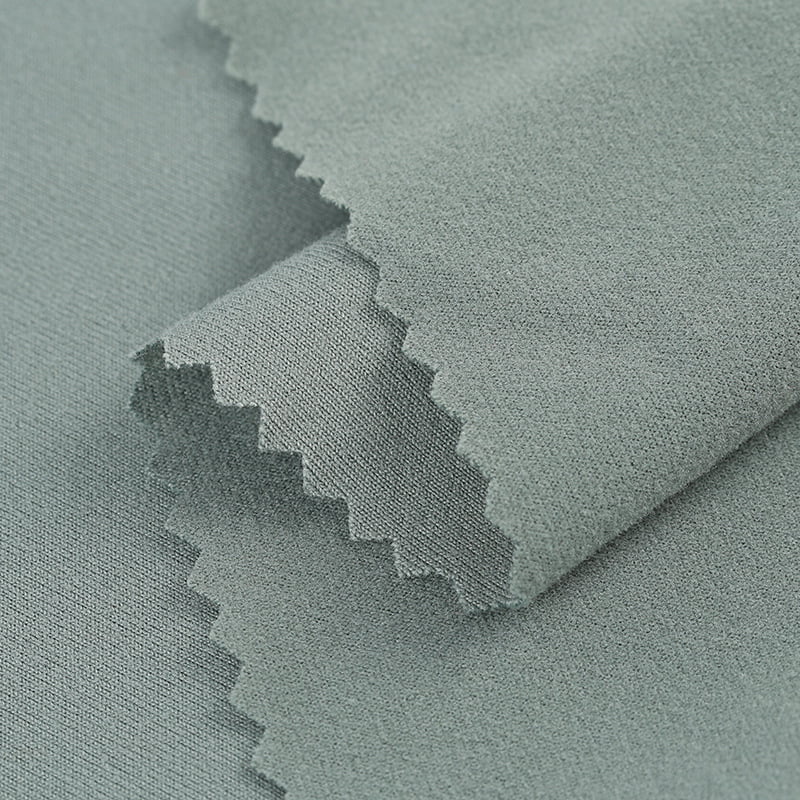
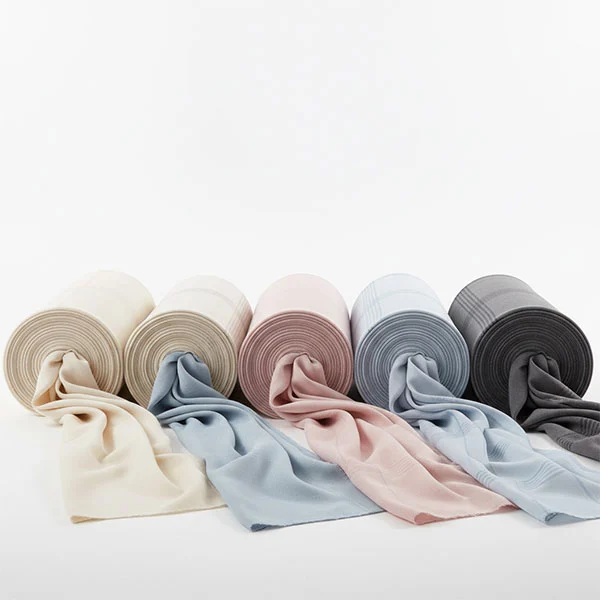
 lightweight polyester shirt fabrics

Supply-Side Transformation

On the supply side, polyester fabric manufacturers are accelerating their transition toward functionalization and aesthetic enhancement. China, as the world's largest producer and consumer of polyester, has seen the emergence of numerous companies that compete through process innovation. One representative example is Ningbo Nashe Textile Co., Ltd. , an integrated manufacturer-trader established in 2010 and based in Ningbo. The company has developed significant expertise in sand wash and micro crepe finishing for polyester fabrics, with its 118 GSM lightweight polyester shirting line serving both domestic brands (such as Ludao and London Boy) and international clients (including CK and PUMA). This business model—moving from "processing with supplied materials" to "technology-driven value addition"—reflects a broader industry upgrade path.

Demand-Side Drivers

On the demand side, changing consumer lifestyles are reshaping expectations for shirt fabrics. The widespread adoption of hybrid work models has blurred the boundaries between "business" and "casual" attire. Consumers now prioritize all-day comfort over rigid formality. Industry surveys consistently identify breathability, quick-dry performance, and wrinkle resistance as the top three decision-making criteria for shirt fabric purchases. This is precisely where polyester excels. Through precise control of yarn count (e.g., 50s) and density (e.g., 132×86), modern polyester fabrics can achieve a crisp hand feel while delivering quick-dry and wrinkle-resistant performance that natural fibers struggle to match.


Technological Innovation: From "Cotton Mimicry" to "Beyond Cotton"

Current industry dynamics reveal two major pathways of innovation in polyester fabrics:

1. Finishing Technology: The Texture Revolution of Sand Wash + Micro Crepe

For lightweight polyester shirt fabrics, the combination of sand wash and micro crepe finishing has emerged as a new benchmark.

Sand Wash neutralizes the synthetic luster of polyester through physical or chemical treatment, imparting a fine, peachskin-like nap and a soft, flowing drape that mimics natural fibers.

Micro Crepe introduces a controlled, fine, irregular micro-wrinkle texture on the fabric surface. This structural design enhances three-dimensionality and bulkiness, eliminating the stiff, boardy feel often associated with high-density polyester.

Together, these techniques deliver a "linen-like hand feel with cotton-like comfort" —a tactile experience that, in many respects, surpasses cotton. This technological foundation also enables the ultra-lightweight 118 GSM design, which balances structure with breathability for summer applications.


2. Bio-Based and Recycled Polyester: The "Green Upgrade"

Under pressure from global carbon neutrality goals and regulatory measures such as the EU PFAS ban, the petroleum dependence of conventional polyester has become a critical industry challenge.

Bio-based polyester (using bio-based PTA instead of petroleum-based PTA) is currently viewed as the most commercially viable pathway—potentially reducing the carbon footprint by 30% to 60%. Importantly, existing polyester production lines require only minor modifications to adopt this feedstock, enabling a relatively smooth transition.

Recycled polyester (rPET) is also accelerating its penetration into premium shirt fabric segments. In early 2026, Polartec partnered with Santini Cycling to launch a cycling jersey fabric produced using carbon capture technology, converting industrial CO₂ emissions into recycled polyester yarn (128 GSM, 91% recycled carbon content). This demonstrates that the "sustainability story" for polyester is evolving beyond recycled plastic bottles toward higher-tech applications like carbon transformation.

Additionally, in June 2026, Japan's Teijin Frontier (a Teijin Group subsidiary) announced the development of a multifunctional polyester-based fabric that combines high heat retention with high breathability. Utilizing a double-raschel warp knit structure and differential-shrinkage yarn technology, the fabric achieves twice the breathability of conventional products. Teijin aims to sell 50,000 meters of this fabric by the fall/winter 2027 season, targeting the sports and outdoor apparel market—further confirming the significant potential of "functionally composite" polyester fabrics.


Competitive Dynamics: Substitutes and Price Volatility

In 2026, the polyester market faces notable external headwinds. Due to geopolitical tensions in the Middle East and disruptions to petrochemical supply chains, polyester prices are experiencing significant upward pressure. Industry analysts predict that if polyester prices continue to rise, natural fibers such as cotton and linen, as well as man-made cellulosic fibers (MMCFs) like viscose and lyocell, could gain market share in categories such as casual wear and workwear, with potential demand shifts ranging from 5% to 15%.

This presents a dual challenge for polyester shirt fabric manufacturers:

Defending the value-for-money proposition against natural fiber alternatives.

Accelerating value addition through product differentiation to offset raw material cost volatility

Leading companies are responding through several strategies: expanding into high-count, high-density, and specialty-finish products; investing in recycled or bio-based polyester to mitigate petroleum price risks; and deepening co-development partnerships with downstream apparel brands to shorten product lead times.


Future Outlook: The Value Reshaping of Polyester Shirt Fabrics

Looking ahead, competition in the polyester shirt fabric sector will converge around three core dimensions:

Dimension

Key Focus

Tactile Experience

Continued evolution of sand wash, micro crepe, and linen-like finishes to achieve a "beyond cotton" feel.

Functional Compositing

Beyond quick-dry and wrinkle resistance—adding thermal regulation, antimicrobial properties, traceability, and other advanced functions.

Sustainability Traceability

From bio-based feedstocks to recycled content, from waterless dyeing to closed-loop recycling—the "green quotient" will directly influence brand sourcing decisions.


The lightweight polyester shirt fabric (118 GSM, 50s, 132×86 density) exemplifies a broader industry trend: it no longer aspires to be a "cotton imitator." Instead, through process innovation, it defines the aesthetic and performance standards of polyester as an independent, high-value category.

With companies like Ningbo Nashe Textile—and many others across China's polyester textile sector—driving this transformation, the category is well-positioned to capture an increasingly significant share of the global shirt fabric market, not as a low-cost alternative, but as a premium functional material that meets the demands of modern, multi-scenario lifestyles.


Related News
Leave me a message
X
We use cookies to offer you a better browsing experience, analyze site traffic and personalize content. By using this site, you agree to our use of cookies.Privacy Policy