News

How Recycled Nylon Abrasion Resistant Fabric Supports Sustainable Manufacturing

2026-05-08 0 Leave me a message

Contents

  1. Introduction and Material Definition
  2. Production Process and Raw Material Sources
  3. Performance Advantages vs. Virgin Nylon
  4. Sustainability and Environmental Impact
  5. Supply Chain Benefits and ESG Compliance
  6. Industry Applications and Use Cases
  7. Market Trends and Future Outlook
  8. Conclusion
  9. FAQs for Buyers and Specifiers

Key Takeaways

  • Reduces reliance on petroleum-based raw materials
  • Matches or exceeds virgin nylon in durability and abrasion resistance
  • Supports GRS, Bluesign, and ESG reporting requirements
  • Enables circular economy supply chain models
  • Expanding across outdoor, industrial, and protective sectors


1. Introduction and Material Definition

1.1 What is it?

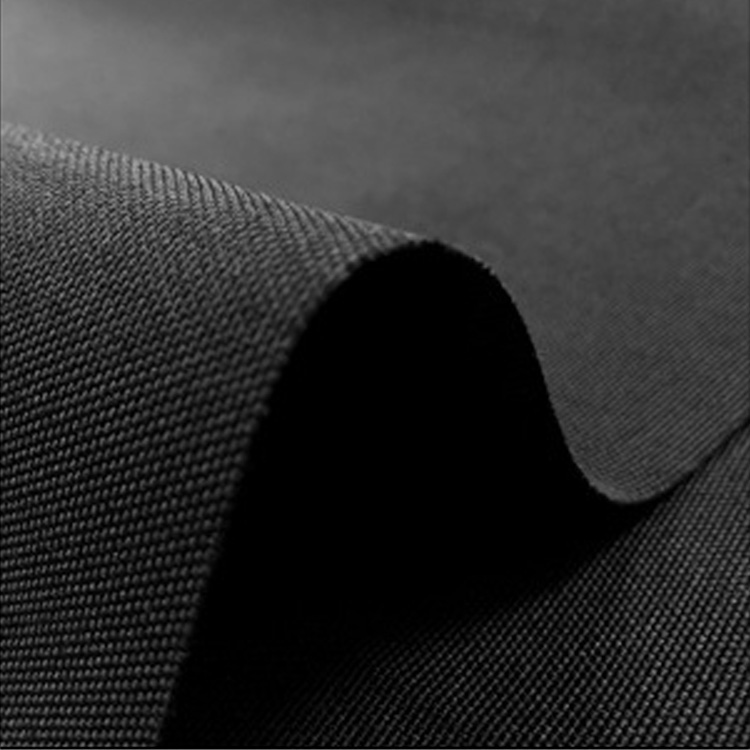
Recycled Nylon Abrasion Resistant Fabric is a high-performance technical textile produced from regenerated nylon waste. Through either chemical or mechanical recycling processes, discarded nylon materials are converted back into fiber-grade polymers and woven or knitted into fabrics that deliver the mechanical performance of conventional nylon — without the environmental cost of virgin production.

1.2 Why it matters to buyers and manufacturers

The global manufacturing industry is under compounding pressure: tightening environmental regulations, investor ESG mandates, and consumer demand for traceable, sustainable inputs. Recycled nylon offers a material solution that bridges industrial-grade performance with circular economy compliance.

  • Procurement managers — simplifies sustainable sourcing without sacrificing technical specifications
  • Product designers — expands the range of performance materials that carry environmental credentials
  • Wholesale buyers — represents a product category with accelerating demand and long-term supply chain viability

2. Production Process and Raw Material Sources

2.1 Feedstock inputs

The quality and environmental credibility of recycled nylon depends substantially on the origin of its feedstock. The most widely used sources include:

  • Discarded fishing nets
  • Industrial nylon waste
  • Old carpets
  • Post-consumer textiles

Among these, ocean-recovered fishing nets — the basis for branded inputs such as ECONYL® — have attracted particular attention for their dual environmental benefit: removing active pollutants from marine ecosystems while simultaneously supplying high-quality nylon polymer.

2.2 Recycling and regeneration methods

Collected waste materials undergo sorting, cleaning, and depolymerization to yield nylon monomers or pellets of comparable purity to virgin feedstock. Chemical recycling — which breaks polymers down to the molecular level — yields the highest-quality output and is most suitable for performance-grade fabrics. Mechanical recycling, while less energy-intensive, typically produces fiber suited to lower-specification applications.

The regenerated polymer is then extruded into yarn, spun, and finished using standard textile manufacturing processes. This compatibility with existing production infrastructure significantly lowers the barrier to adoption for manufacturers already processing conventional nylon.

2.3 Closed-loop manufacturing model

Leading suppliers are increasingly integrating take-back schemes and manufacturer return programs into their supply chains, enabling post-consumer garments and industrial offcuts to re-enter the recycling loop. This closed-loop model reduces dependence on external waste streams and improves the traceability and consistency of feedstock — both critical factors for buyers seeking verifiable environmental claims.

Buyer’s note When evaluating suppliers, request documentation on feedstock origin and recycling methodology. Chemical recycling typically warrants higher fiber performance and more credible environmental metrics than mechanical alternatives.


3. Performance Advantages vs. Virgin Nylon

3.1 Mechanical properties: a comparative view

A common concern among procurement and technical teams is whether recycled nylon compromises on performance. In practice, chemically regenerated nylon fiber achieves polymer chain lengths and molecular weight distributions that are functionally equivalent to virgin nylon 6 or nylon 6,6. The result is fabric that meets or exceeds the same abrasion, tensile, and tear resistance benchmarks as its conventional counterpart.

Property Recycled Nylon Virgin Nylon Practical Implication
Abrasion resistance High High Direct substitution in most specifications
Tensile strength High High Suitable for load-bearing and structural applications
Tear resistance High High Protective apparel and gear applications viable
Carbon emissions (production) Low High Up to 80% reduction vs. virgin production
Raw material source Waste-based Petroleum-based Reduced exposure to crude oil price volatility
Typical unit cost Medium Medium–High Cost gap narrowing with scale and certification demand

3.2 Key value propositions by buyer type

Procurement managers Drop-in replacement for virgin nylon specs; supports supplier diversity and ESG reporting targets.

Product designers Full functional parity with virgin nylon; increasingly available in expanded color ranges and constructions.

Wholesale buyers Certifiable environmental claims support retail positioning and premium pricing in sustainability-driven channels.


4. Sustainability and Environmental Impact

4.1 By the numbers

Impact Area Figure Notes
CO₂ emissions reduction Up to 80% vs. virgin nylon production, varies by recycling method
Petroleum feedstock dependency Significantly lower per kg of fiber produced
Virgin crude oil consumed ~0 when waste-based feedstock is used

4.2 Carbon emission reduction

Production of recycled nylon generates substantially fewer greenhouse gas emissions than virgin nylon manufacturing, primarily because it bypasses the energy-intensive extraction and cracking of petroleum feedstocks. Independent lifecycle assessments consistently report emission reductions of 50–80%, depending on recycling method, energy mix, and logistics — figures that carry direct significance for manufacturers calculating Scope 3 supply chain emissions.

4.3 Marine ecosystem protection

The use of derelict fishing gear as feedstock addresses one of the most persistent sources of ocean plastic pollution. Ghost nets — nets abandoned or lost at sea — continue trapping marine life for decades. Recovery programs that convert these materials into textile fiber simultaneously remove active environmental hazards and create a traceable, high-quality recycled input, making the environmental benefit measurable and verifiable.

4.4 Role in circular economy supply chains

Beyond emissions, recycled nylon production exemplifies the waste-to-resource transformation central to circular economy frameworks. Rather than operating as a linear take-make-dispose chain, suppliers using recycled feedstocks create systems where end-of-life materials become inputs for new production cycles. For manufacturers and brands operating under extended producer responsibility regulations or voluntary circular economy commitments, this makes recycled nylon a structurally aligned material choice.


5. Supply Chain Benefits and ESG Compliance

5.1 ESG performance and investor expectations

Environmental, Social, and Governance (ESG) reporting has shifted from a voluntary differentiator to a baseline expectation for publicly listed manufacturers and major brand customers. Sourcing recycled materials directly improves Environmental scores on frameworks such as CDP, GRI, and SASB, and contributes to Science Based Targets (SBT) alignment — particularly for Scope 3 supply chain emission reduction commitments.

For wholesale buyers supplying to retail chains or brand customers with published sustainability commitments, the ability to document recycled content in product components has become a supplier qualification criterion in an increasing number of tender and vendor assessment processes.

5.2 Recognized certifications and standards

Global Recycled Standard (GRS) Verifies recycled content and chain of custody across the supply chain. Buyers should request GRS transaction certificates as primary documentation of recycled content claims.

Bluesign system Certifies responsible resource use, worker safety, and consumer protection. Additionally verifies the environmental and safety performance of dyeing and finishing processes — an important consideration where chemical processing represents a significant share of a fabric’s total environmental footprint.

5.3 Supply chain resilience

Sourcing recycled nylon reduces exposure to petroleum price volatility, which directly affects virgin nylon input costs. Waste-based feedstocks, while subject to their own supply dynamics, are not correlated with crude oil markets — offering cost stability that is increasingly attractive to procurement teams managing margin risk over multi-year sourcing agreements. Suppliers such as Ningbo Nashe Textile Co., Ltd. exemplify this shift, providing recycled textile solutions that align with global sustainability standards while supporting more resilient and stable supply chains.


6. Industry Applications and Use Cases

6.1 Outdoor apparel and equipment

Jackets, backpacks, trekking trousers, and technical shells in the outdoor segment demand materials that withstand repeated friction against rock, vegetation, and gear. Recycled nylon delivers the required abrasion resistance for these applications while enabling brands to publish recycled content metrics — now a standard feature in outdoor category sustainability reports. Major outdoor brands have publicly committed to transitioning all nylon components to recycled sources within defined timeframes, driving sustained demand from both fabric suppliers and wholesale intermediaries.

6.2 Industrial safety and protective equipment

Protective workwear, cut-resistant gloves, knee pad covers, and equipment harnesses require fabrics with certified mechanical properties. Recycled nylon meets the tensile and abrasion standards specified in EN and ISO norms for occupational protective clothing. For industrial procurement teams, the combination of performance compliance and ESG-compatible sourcing addresses both technical and corporate responsibility requirements in a single specification.

6.3 Sports and performance products

Activewear and performance sportswear increasingly incorporates recycled nylon in high-wear zones — crotch gussets, knee panels, shoulder areas — where abrasion resistance is critical to product longevity. The lightweight-to-strength ratio of recycled nylon fiber is functionally equivalent to virgin alternatives, enabling designers to maintain technical performance specifications without modification to product architecture.


7.1 Accelerating demand for sustainable fabrics

Consumer awareness of textile sustainability has moved upstream, influencing brand specification decisions and, in turn, wholesale sourcing requirements. Recycled nylon is among the fastest-growing segments within the sustainable technical fabrics market, supported by both voluntary brand commitments and emerging regulatory instruments — including the EU’s Green Claims Directive and Ecodesign for Sustainable Products Regulation (ESPR) — which are expected to require verifiable recycled content claims and lifecycle data across the textile supply chain.

7.2 Technological improvements in development

Current development priorities among fiber and fabric producers include:

  • Improvements in color fastness for recycled nylon (historically more variable than virgin fiber)
  • Integration of durable water repellent (DWR) finishes compatible with recycled substrates
  • Incorporation of antimicrobial treatments without compromising recyclability at end of life

These developments are expected to expand the addressable application range, particularly in healthcare textiles and high-specification military and defense markets.

7.3 Competitive positioning for early adopters

The cost differential between recycled and virgin nylon continues to narrow as recycling infrastructure scales and regulatory frameworks increasingly price in the externalities of virgin polymer production. Manufacturers and wholesale buyers who establish supply relationships and product lines around recycled materials now are building competency and sourcing depth ahead of what is likely to become a mandated baseline in regulated markets. Early adoption confers both cost familiarity and brand positioning advantages as sustainability disclosure requirements intensify. Ningbo Nashe Textile Co., Ltd. offers manufacturers and wholesale buyers an established entry point into certified recycled nylon supply chains, combining verified material provenance with scalable order capacity. To learn more about sourcing structures, qualification samples, and long-term supply agreements, please contact our team.


8. Conclusion

Recycled Nylon Abrasion Resistant Fabric represents a mature, performance-proven material that simultaneously addresses the environmental, regulatory, and commercial pressures now shaping global textile supply chains. It is not a niche or compromise material: in chemically recycled form, it delivers the mechanical properties demanded by outdoor, industrial, and performance applications, while enabling verifiable environmental claims that support ESG compliance and brand differentiation. For procurement managers, product designers, and wholesale buyers, the strategic case for specifying recycled nylon is clear — and strengthening as regulation, investor scrutiny, and consumer expectation continue to converge.


9. FAQs for Buyers and Specifiers

Q1: Is recycled nylon as strong as virgin nylon?
Yes — chemically recycled nylon achieves comparable molecular chain structure to virgin nylon 6 and 6,6, resulting in equivalent tensile strength, abrasion resistance, and tear performance. Buyers can specify recycled nylon without modifying technical performance thresholds.

Q2: Which industries are currently using recycled nylon abrasion resistant fabric?
The primary sectors are outdoor apparel and equipment, industrial protective clothing, and sports/performance wear. Adoption is also expanding in automotive textiles, luggage, and military applications.

Q3: How does recycled nylon reduce environmental impact?
It eliminates the need for virgin petroleum feedstock, reducing production-stage CO₂ emissions by up to 80%. When sourced from ocean-recovered fishing nets, it also actively removes marine pollutants from ecosystems.

Q4: What certifications should buyers request?
The Global Recycled Standard (GRS) provides chain-of-custody documentation for recycled content claims. Bluesign certification verifies responsible processing. Both are recognized by major retail customers and sustainability reporting frameworks.

Q5: How does recycled nylon affect unit cost compared to virgin nylon?
Recycled nylon typically carries a modest cost premium, though the gap has narrowed substantially. The premium is often offset by reduced exposure to petroleum price volatility and, in markets with sustainability premiums, by improved retail positioning and pricing power.

Related News
Leave me a message
X
We use cookies to offer you a better browsing experience, analyze site traffic and personalize content. By using this site, you agree to our use of cookies. Privacy Policy
Reject Accept