With the increasing demand for lightweight, breathable, and functional clothing, UV Protection Mesh Fabric has become a popular choice in sportswear, outdoor apparel, and summer clothing. Unlike traditional sun-protective fabrics that may feel thick or uncomfortable, mesh fabrics combine UV protection, airflow, and moisture management, making them suitable for garments designed for hot weather and outdoor activities.
UV Protection Mesh Fabric is a functional textile designed to reduce ultraviolet (UV) radiation exposure while maintaining breathability. It is usually produced using synthetic fibers such as polyester, nylon, or blended fabrics with UV-resistant treatments or special fiber technologies.
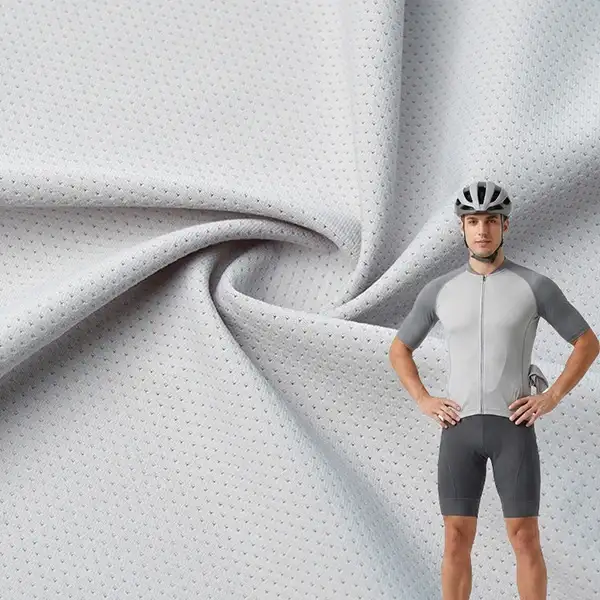
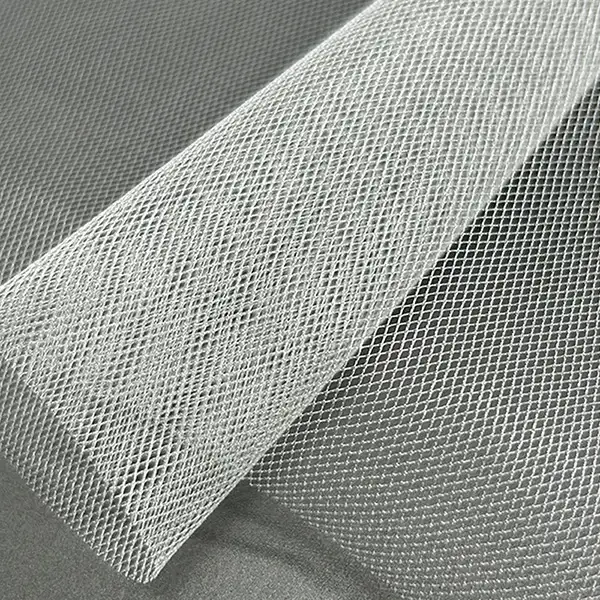
The fabric features a mesh structure with tiny openings that allow air circulation. This design helps prevent heat buildup while providing a certain level of protection against sunlight.
Common characteristics include:
Continuous exposure to ultraviolet rays may cause skin discomfort and accelerate fabric aging. Outdoor clothing with UV protection features helps reduce direct UV penetration and provides additional protection during activities under sunlight.
UV protection mesh fabric is commonly used for:
During fabric production, manufacturers may add UV stabilizers into synthetic fibers. These materials help absorb or reflect UV rays and improve the fabric's resistance to sunlight.
The density of the mesh affects both UV protection and breathability.
| Fabric Structure | Features | Suitable Applications |
|---|---|---|
| Fine Mesh | Better coverage and higher UV resistance | Outdoor shirts, sun protection clothing |
| Medium Mesh | Balance between protection and ventilation | Sportswear, hiking wear |
| Open Mesh | Maximum airflow and lightweight feel | Training wear, summer base layers |
Some UV protection fabrics receive additional finishing processes to enhance:
Polyester is one of the most widely used materials for functional outdoor clothing.
Advantages include:
It is commonly found in sports T-shirts, jerseys, and outdoor uniforms.
Nylon provides:
It is often used for premium outdoor apparel and activewear.
Adding spandex improves:
This combination is popular for cycling wear, yoga clothing, and fitness apparel.
Different outdoor environments require different UV protection levels. Brands should consider the target market, climate conditions, and garment purpose when selecting fabric.
For summer and sports clothing, airflow is essential. Mesh structure helps release heat and improves wearing comfort during physical activities.
Sweat management is important for outdoor apparel. Many UV mesh fabrics are designed with moisture-wicking properties to move sweat away from the skin and promote faster drying.
Since clothing directly contacts the skin, fabric suppliers need to consider:
Functional performance should remain stable after repeated washing. Testing may include:
UV mesh fabric is widely used in:
Its lightweight and breathable properties help athletes stay comfortable during outdoor activities.
Fishing shirts and outdoor workwear often require long hours under sunlight. UV protection mesh fabrics provide a balance between sun protection and ventilation.
For daily summer clothing, mesh fabrics can be used in:
They help create comfortable clothing suitable for warm climates.
UV protection fabrics are also used in children's summer apparel, including:
| Feature | UV Protection Mesh Fabric | Regular Mesh Fabric |
|---|---|---|
| UV Resistance | Enhanced with UV treatment or special fibers | Usually limited |
| Breathability | High | High |
| Functional Performance | Sun protection + comfort | Mainly ventilation |
| Outdoor Suitability | Designed for sunlight exposure | Depends on material |
| Application | Sportswear, outdoor clothing | General casual wear |
Yes. Its breathable structure allows air circulation, making it suitable for lightweight summer apparel and outdoor clothing.
Compared with solid fabrics, mesh structures usually provide better ventilation and reduce heat buildup.
The durability depends on the fabric technology. High-quality UV protection fabrics are designed to maintain performance after repeated washing when properly cared for.
Yes. Apparel manufacturers can usually customize fabric weight, color, mesh structure, composition, and finishing treatments according to clothing requirements.