News

Why Does Nylon Fabric Feel Different After PA Coating? A Material Science Explanation

2026-08-05 0 Leave me a message

When touching an outdoor jacket, backpack, or functional textile product, many people notice that nylon fabrics can feel completely different from one another. Some feel soft and smooth, while others feel firmer, more structured, or slightly textured.

Although the base material may be the same, the difference often comes from a textile finishing process called PA Coating (Polyamide Coating).

A thin PA coating layer can significantly change the performance and feel of nylon fabric, improving properties such as water resistance, abrasion resistance, durability, and surface texture. But how does such a thin coating create such noticeable changes?

What Is Nylon Fabric Before PA Coating?

Nylon is a widely used synthetic fiber known for its strength, flexibility, and abrasion resistance. It is commonly found in clothing, bags, outdoor equipment, and industrial textiles.

Before coating, nylon fabric already has several advantages:

  • Lightweight structure
  • High tensile strength
  • Good flexibility
  • Smooth surface
  • Good resistance to daily wear

However, untreated nylon also has some limitations:

  • Limited water resistance
  • Less surface protection
  • Reduced performance in harsh environments
  • Lower resistance to repeated friction

To improve these properties, manufacturers often apply functional coatings such as PA coating.

How Does PA Coating Change Nylon Fabric?

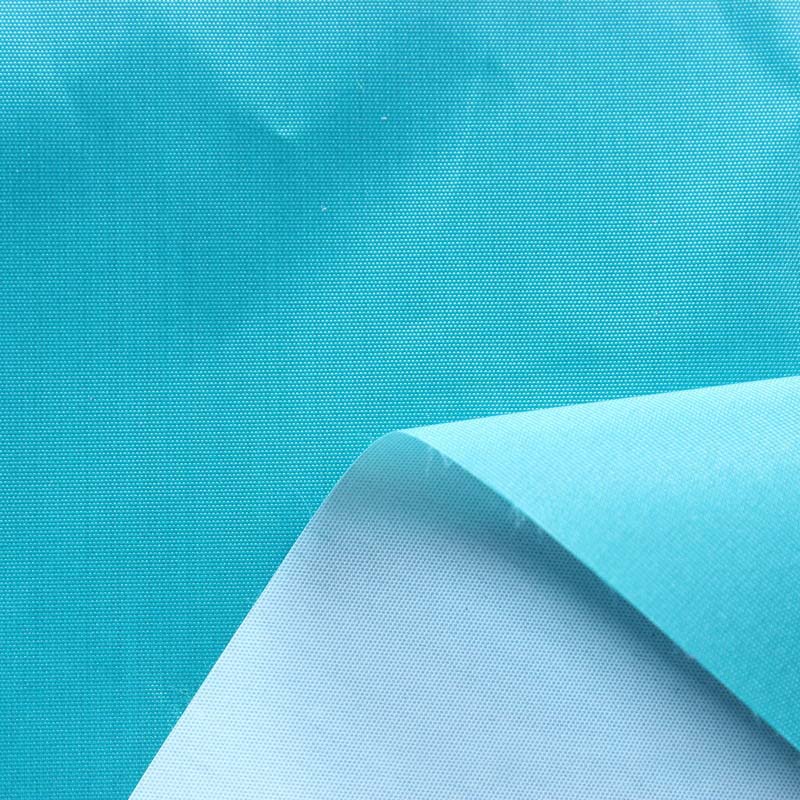
PA coating works by adding a thin layer of polyamide resin onto the surface of nylon fabric.

Although the coating layer is very thin, it changes the interaction between the fabric and the outside environment.

The difference can be explained simply:

Before PA Coating:

Exposed fibers → More affected by moisture, friction, and external conditions

After PA Coating:

Protected surface layer → Improved performance and durability

The coating process can improve several important characteristics.

1. PA Coating Creates Different Fabric Hand Feel

One interesting fact about coated fabrics is that coating does not always make fabric stiff or heavy.

Depending on the formula and manufacturing process, PA coating can create different textures and hand feels.

Soft and Smooth Feel

Suitable for:

  • Clothing lining
  • Lightweight jackets
  • Sportswear

Firm and Structured Feel

Suitable for:

  • Backpacks
  • Luggage materials
  • Outdoor equipment

Matte or Slightly Textured Feel

Suitable for:

  • Premium outdoor products
  • Functional textiles

This is why two nylon fabrics with PA coating can feel completely different even when they use similar raw materials.

2. Why Does PA Coating Improve Durability?

Nylon is already a strong material, but long‑term use can still cause damage from:

  • Continuous friction
  • Scratching
  • UV exposure
  • Moisture

The PA coating layer acts as an additional protective barrier, helping reduce direct damage to the original fibers.

For example, backpack bottoms and corners often experience frequent friction during daily use.

PA coated nylon can provide better resistance against:

  • Ground contact
  • Repeated rubbing
  • Outdoor conditions

That is why it is commonly used for:

  • Hiking backpacks
  • Travel bags
  • Outdoor equipment

3. The Hidden Reason Behind Water Resistance

Many people think waterproof performance mainly comes from the fiber itself, but the surface structure plays a major role.

Regular textile fabrics contain tiny gaps between fibers. Water can enter through these spaces under certain conditions.

After PA coating:

  • The coating covers parts of the fabric surface
  • Water penetration paths are reduced
  • Moisture resistance is improved

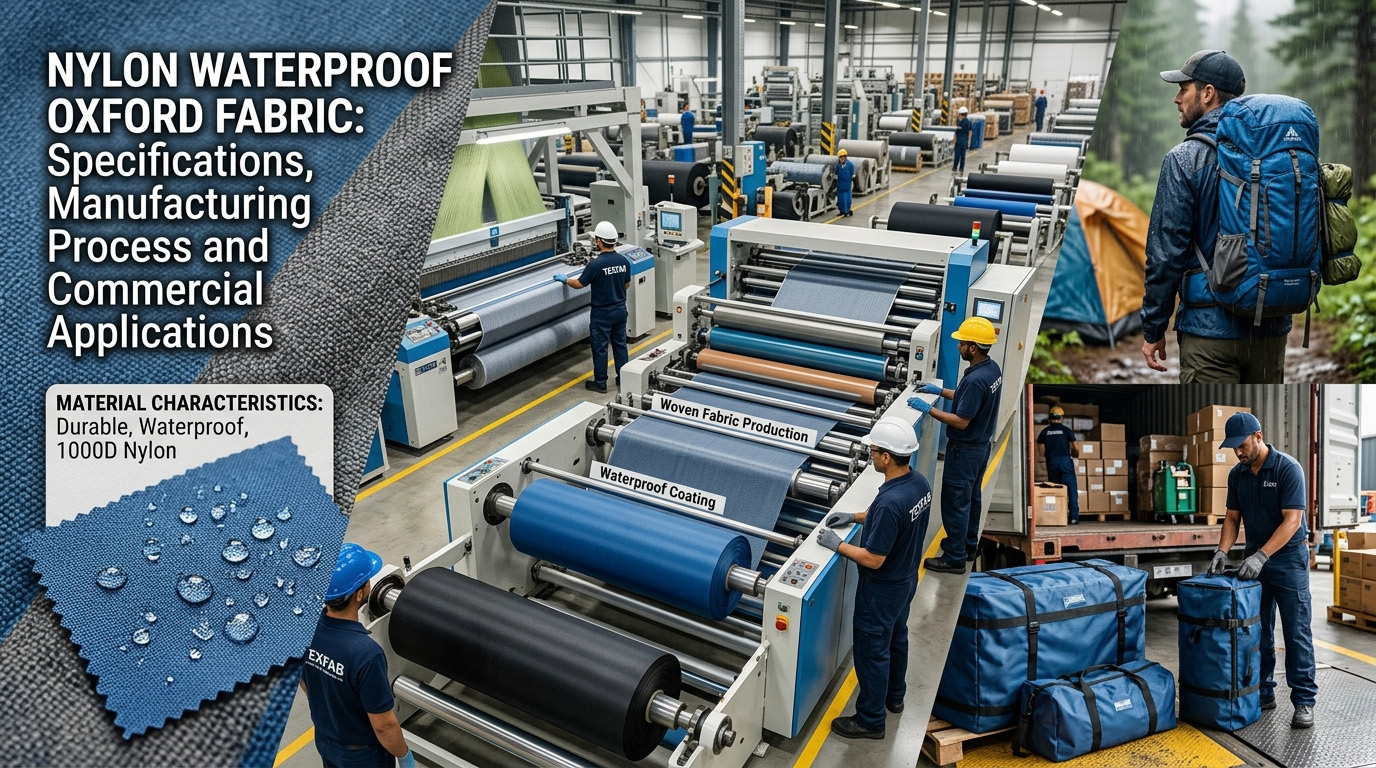
This makes PA coated fabrics suitable for:

  • Outdoor jackets
  • Tents
  • Protective covers
  • Storage bags

However, it is important to understand the difference between:

Water Repellent:
Helps water stay on the surface and reduces absorption.

Waterproof:
Provides stronger protection against water penetration under specific pressure conditions.

The final performance depends on:

  • Coating thickness
  • Fabric construction
  • Finishing technology

Why Do Manufacturers Choose PA Coating Instead of Thicker Nylon?

A common question from buyers is:

“Why not simply use thicker fabric to improve performance?”

Increasing Fabric Thickness Possible Impact
More material usage Higher production cost
Increased weight Less convenient for users
Reduced flexibility Lower comfort
More difficult processing Reduced production efficiency

PA coating provides another solution by adding functionality without significantly increasing fabric weight.

Main advantages include:

  • Maintaining lightweight performance
  • Improving surface protection
  • Keeping good flexibility
  • Controlling material costs

This is one reason coated fabrics have become increasingly popular in modern outdoor products.

Common Applications of PA Coated Nylon Fabric

Outdoor Clothing

Examples:

  • Hiking jackets
  • Windbreakers
  • Ski wear
  • Functional sportswear

The coating helps improve protection while maintaining lightweight comfort.

Bags and Luggage

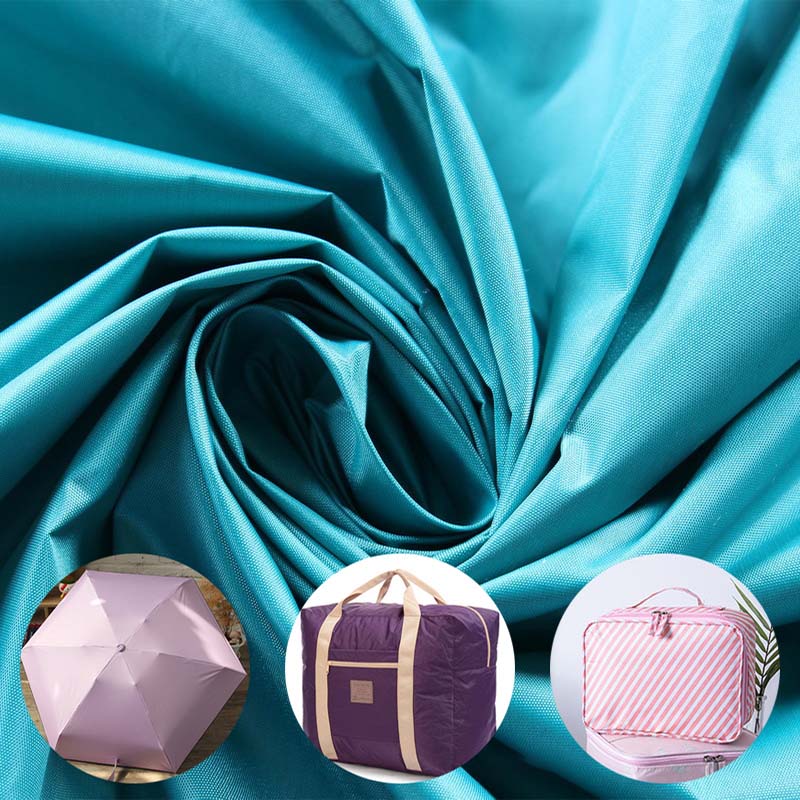
Because bags require durability and resistance to daily wear, PA coated fabrics are commonly used for:

  • Backpacks
  • Travel bags
  • Laptop bags
  • Camera bags

Outdoor Equipment

Outdoor products often face changing weather conditions. PA coated fabrics are used in:

  • Tents
  • Sleeping bags
  • Outdoor covers
  • Camping accessories

Industrial Applications

Some industrial products also use PA coated textiles for lightweight protection:

  • Equipment covers
  • Storage bags
  • Protective packaging

How to Identify Quality PA Coated Fabric?

When purchasing PA coated lining fabric, manufacturers usually pay attention to several factors.

1. Coating Uniformity

A quality coating should have:

  • Even surface coverage
  • No obvious bubbles
  • Strong adhesion
  • Consistent thickness

2. Stable Hand Feel

For large‑scale production, fabric consistency is important.

Different batches should maintain similar:

  • Softness
  • Thickness
  • Surface texture
  • Appearance

3. Performance Testing

Common testing methods include:

Test Item Purpose
Abrasion Test Evaluate wear resistance
Water Resistance Test Check moisture protection
Tensile Strength Test Measure fabric strength
Coating Adhesion Test Check coating durability

These tests help ensure stable quality during production.


PA coating transforms ordinary nylon fabric into a more functional textile material by adding a protective surface layer.

The change is not only visible in appearance but also noticeable in hand feel, durability, and performance. Through proper coating technology, nylon fabrics can achieve better water resistance, abrasion resistance, and long‑term usability while keeping their lightweight characteristics.

From outdoor clothing and backpacks to tents and industrial products, PA coated nylon fabric has become an important material in modern textile manufacturing.

Related News
Leave me a message
X
We use cookies to offer you a better browsing experience, analyze site traffic and personalize content. By using this site, you agree to our use of cookies.Privacy Policy
RejectAccept