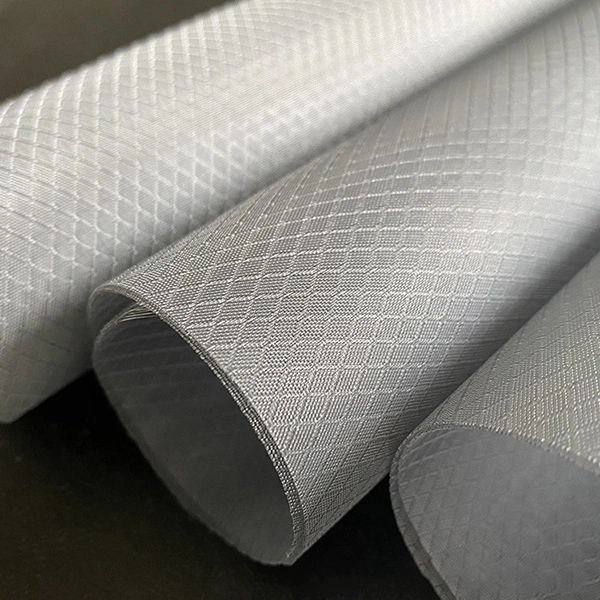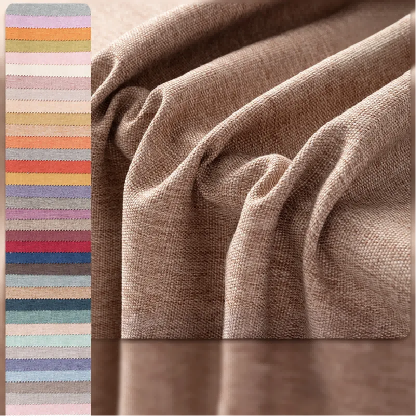
Thermal Softshell Fabric represents a versatile category of technical textiles engineered to deliver superior thermal protection without compromising on mobility or comfort. It is a hybrid performance material that bridges the gap between traditional heavy insulated jackets and lighter fleece layers, making it ideal for dynamic environments where users need reliable warmth, wind resistance, and breathability. This fabric has become essential in modern performance apparel because it addresses the limitations of older materials by offering a balanced solution that adapts to varying activity levels and weather conditions.
The importance of Thermal Softshell Fabric has grown alongside the expansion of outdoor recreation, functional workwear, and athleisure markets. As consumers and professionals demand lighter, more packable garments that provide effective thermal regulation during high-exertion activities, this fabric has largely replaced bulkier traditional jackets in many applications. Its rising popularity stems from the need for lightweight thermal protection that supports extended wear in unpredictable climates, from alpine trails to urban commutes.
Key users span multiple sectors, including leading outdoor brands that prioritize performance in hiking and mountaineering gear, workwear manufacturers focused on durable cold-weather uniforms, tactical and military suppliers requiring multi-environment adaptability, and urban fashion brands integrating functional elements into everyday streetwear. This broad appeal underscores the fabric’s role as a cornerstone of contemporary apparel design.
Thermal Softshell Fabric is characterized by its multi-layer construction, most commonly a 3-layer laminate that optimizes protection, insulation, and comfort. The outer layer typically consists of a durable, abrasion-resistant woven or knitted face fabric, often treated for windproofing and water repellency. The middle layer features a breathable membrane that acts as a selective barrier, while the inner layer provides a soft, thermal fleece lining for insulation and moisture wicking.
These functional layers interact synergistically to create an effective moisture vapor transfer system (MVTR). The membrane allows perspiration to escape while blocking wind and external moisture, striking a careful balance between heat retention and breathability. This interaction prevents overheating during activity and maintains a stable microclimate next to the skin, enhancing overall wearer comfort across a wide range of conditions.
In visual terms, the structure can be understood through the following layer functions: the outer shell delivers wind and water resistance for durability; the membrane layer controls breathability and moisture management; and the inner fleece provides thermal insulation along with superior comfort and warmth.
| Layer | Function | Key Benefit |
| Outer Shell | Wind + water resistance | Durability |
| Membrane Layer | Breathability control | Moisture management |
| Inner Fleece | Thermal insulation | Comfort + warmth |
One of the standout features of Thermal Softshell Fabric is its exceptional windproof performance, achieved through dense construction and membrane technology that creates an effective barrier against cold gusts. This makes it particularly valuable in alpine environments, cycling gear, and other high-wind scenarios where maintaining core body temperature is critical.
Thermal insulation efficiency comes primarily from the brushed or fleece inner layer, which traps air to retain heat while remaining lightweight. This mechanism provides reliable warmth without the bulk associated with traditional insulators, supporting prolonged outdoor exposure.
Breathability, quantified by the Moisture Vapor Transmission Rate (MVTR), is another core strength. High MVTR values ensure that sweat generated during intense activity can evaporate efficiently, reducing clamminess and supporting thermoregulation in activewear. This property distinguishes thermal softshell from less permeable alternatives.
Elasticity and comfort are enhanced through four-way stretch technology, often incorporating spandex. This allows for unrestricted movement, making the fabric suitable for dynamic sports and work tasks that require agility.
Water resistance is provided by Durable Water Repellent (DWR) coatings, which cause light rain to bead and roll off. While effective against showers, it is not fully waterproof like hardshell fabrics and performs best in moderate conditions rather than heavy downpours.
Performance comparisons highlight advantages over standard softshell: thermal softshell offers higher warmth and breathability, very high wind resistance, strong stretch, and comparable lightweight construction.
| Property | Standard Softshell | Thermal Softshell Fabric |
| Warmth | Medium | High |
| Breathability | Medium | High |
| Wind Resistance | High | Very High |
| Stretch | Medium | High |
| Weight | Light | Light-Medium |
Core fibers include polyester for its durability, quick-drying properties, and cost-effectiveness; nylon for superior abrasion resistance and strength; and spandex for essential elasticity. These are often blended to achieve optimal performance characteristics.
Fabric blending techniques involve woven structures for durability in outer layers and knitted constructions for flexibility and comfort. Fiber optimization strategies focus on denier weights, yarn types, and weave densities to fine-tune the balance between protection and mobility.
Sustainable options are increasingly available, such as recycled polyester from post-consumer sources, eco-friendly elastane alternatives, and low-impact dyeing processes that reduce water and chemical usage while maintaining high performance standards.
The process begins with weaving or knitting the base fabric, where structural density is precisely controlled to establish foundational strength and texture.
Dyeing and pre-treatment follow, enhancing colorfastness and preparing surfaces for subsequent bonding while ensuring uniform quality.
Lamination bonding represents a critical stage, where the breathable membrane is adhered between layers using heat or adhesive technologies. This step directly influences the final waterproof-breathable balance and overall durability.
Final brushing and finishing create the soft inner fleece surface, improving tactile qualities and thermal performance while adding anti-pilling or other enhancements.
Micro-porous membranes significantly improve breathability and moisture control by allowing precise vapor passage. Anti-pilling treatments extend fabric life and maintain surface appearance after repeated use.
Eco-friendly DWR coatings, often fluorine-free, ensure environmental compliance without sacrificing repellency. Four-way stretch engineering optimizes movement for athletic and tactical applications.
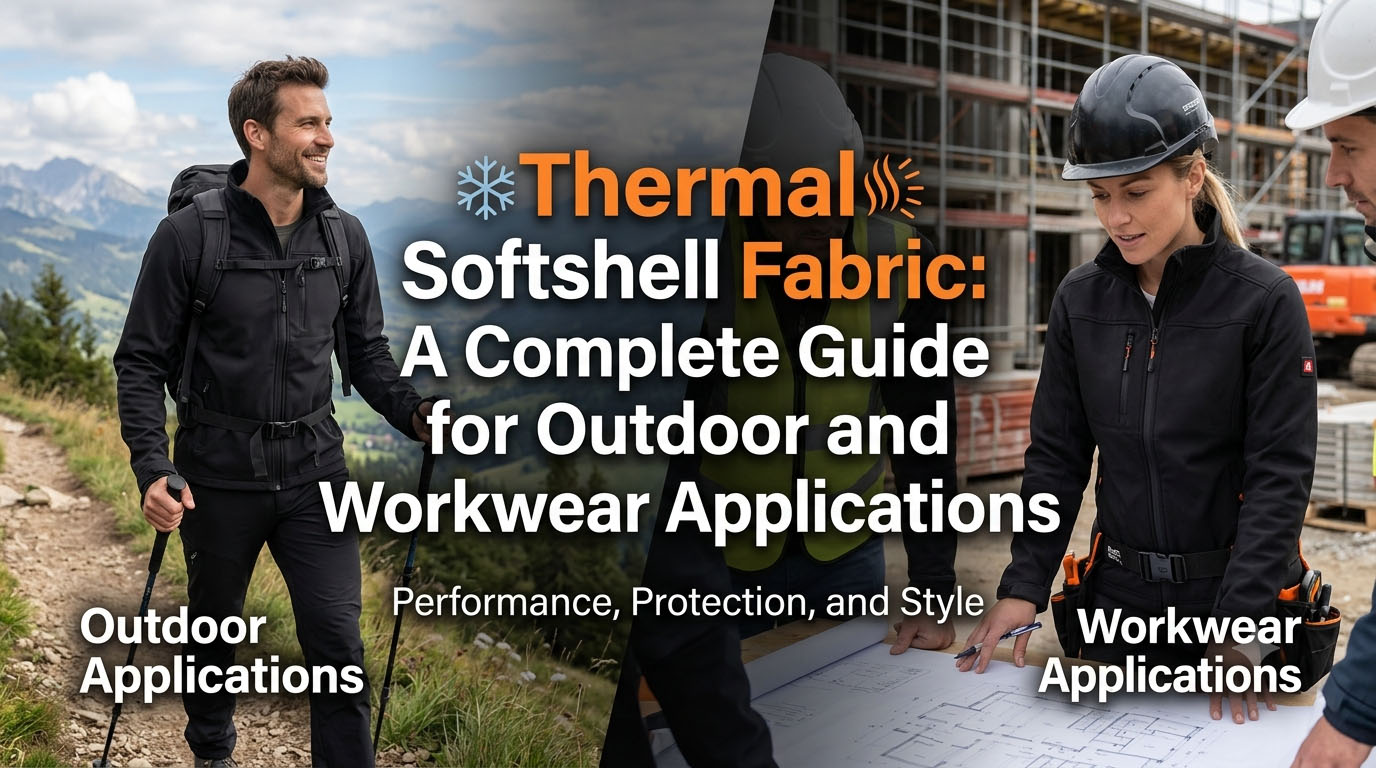
Thermal Softshell Fabric excels in outdoor apparel, where it is used for hiking jackets, mountaineering shells, and versatile layering pieces that handle variable mountain weather with ease. Its combination of wind protection, breathability, and insulation makes it a favorite for endurance activities like trekking and climbing.
In workwear and industrial clothing, it provides protective uniforms and cold-weather garments for job sites, offering durability, flexibility, and thermal comfort for professionals working in logistics, construction, or outdoor maintenance.
Tactical and military applications benefit from its multi-environment adaptability, with field uniforms and gear that support rapid movement while providing reliable protection in diverse operational theaters.
Urban fashion and lifestyle wear incorporate it into everyday jackets and functional streetwear, blending performance with modern aesthetics for commuters and casual users seeking versatile, comfortable outer layers.
When selecting Thermal Softshell Fabric, prioritize key performance indicators such as windproof ratings, MVTR breathability values, and specific water resistance levels suited to intended end-use.
A supplier evaluation checklist should cover quality testing standards (e.g., abrasion, tear strength), minimum order quantities (MOQ), and consistent production capabilities. Certifications like OEKO-TEX and ISO textile standards provide assurance of safety and quality.
Customization options include color matching, fabric weight adjustments (typically 150–400 gsm depending on application), and specialized functional coatings. Ningbo Nashe Textile Co., Ltd serves as a strong reference supplier in performance textiles, known for reliable softshell variants with consistent quality for global buyers. Effective technical communication with manufacturers is essential for achieving project-specific requirements; interested parties should contact supplier teams for sourcing inquiries and detailed specifications.
Lightweight engineering continues to reduce fabric weight while preserving or enhancing mobility and protection. Sustainability innovations feature bio-based coatings, recycled composites, and designs optimized for circularity.
Solvent-free lamination methods support cleaner production and stricter environmental regulations. Smart textile integration, including phase-change materials for temperature regulation and embedded sensors, points toward more intelligent, adaptive fabrics.
Thermal Softshell Fabric delivers an outstanding combination of warmth, breathability, flexibility, and durability, making it indispensable for modern apparel. Its multi-layer design addresses real-world demands across diverse applications, supporting both performance-driven professionals and lifestyle users. As the industry advances toward lighter, more sustainable, and smarter solutions, thermal softshell fabrics are poised for continued growth and innovation, solidifying their position as a key material in the evolving performance textile landscape.
What is Thermal Softshell Fabric used for?
It is used in outdoor jackets, workwear, tactical clothing, and sports apparel requiring warmth, flexibility, and weather resistance.
Is Thermal Softshell Fabric waterproof?
It is water-resistant rather than fully waterproof, performing well in light rain but best paired with additional protection in heavy conditions.
What makes Thermal Softshell Fabric different from regular softshell?
It incorporates enhanced thermal insulation via fleece linings or brushed inner layers for superior warmth.
Is Thermal Softshell Fabric breathable?
Yes, it employs advanced membrane technology to enable effective moisture vapor transfer (MVTR).
What materials are used in Thermal Softshell Fabric?
It typically consists of polyester, nylon, and spandex blends optimized for performance and durability.
This comprehensive guide equips buyers, designers, and wholesalers with the knowledge needed to make informed decisions and leverage Thermal Softshell Fabric effectively in their projects.