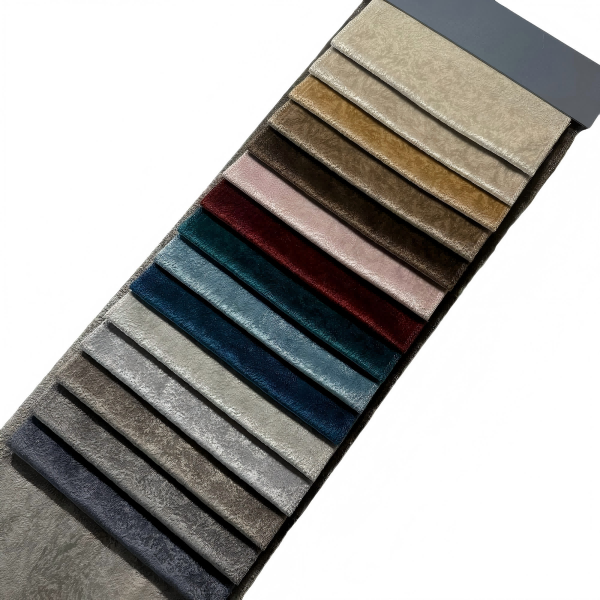
As interior design standards continue to rise, the demand for curtain fabrics that offer more than simple light coverage has grown rapidly. Today’s designers, wholesalers, and home textile brands are looking for materials that combine visual sophistication with tangible comfort and reliable performance. Texture, hand feel, drape, and functional benefits such as shading and insulation now sit at the center of purchasing decisions.
Within this context, Snowflake Fleece Chenille Curtain Fabric has emerged as a compelling option. It combines the plush, dimensional character of chenille with a soft snowflake fleece surface, delivering a curtain fabric that looks luxurious, feels comforting, and performs well in real-life interiors. Manufacturers such as Ningbo Nashe Textile Co., Ltd. have played a key role in bringing this innovative fabric to global markets by leveraging advanced spinning, weaving, and finishing technologies, as well as flexible customization capabilities.
This article will explore the fabric’s material structure, performance benefits, typical application scenarios, and key supplier considerations to support better sourcing and specification decisions.
Chenille is a woven fabric made using chenille yarns, which feature a core with short fibers protruding around it to form a soft, caterpillar‑like pile. This structure creates a plush, voluminous surface that is highly valued in home textiles.
Snowflake fleece finishing refers to a specialized surface treatment that gives the fabric a fine, flake‑like fleece effect. The result is a touch similar to micro-fleece, with a delicate, cozy feel and a visually soft, almost frosted appearance.
When combined, chenille construction and snowflake fleece finishing create a curtain material with rich texture, noticeable depth, and a warm hand feel. This makes Snowflake Fleece Chenille Curtain Fabric particularly suitable for spaces where comfort and visual softness are priorities.
Production typically begins with chenille yarn spinning, where pile fibers are wrapped around a core yarn and cut to form the characteristic fuzzy surface. These yarns are then woven into a base fabric using suitable structures to support weight and drape. Finally, specialized brushing and finishing processes are applied to achieve the snowflake fleece texture.
The growing popularity of textured textiles, combined with interior trends that celebrate soft, tactile materials, has driven interest in this fabric. It is increasingly selected for premium curtain collections that aim to deliver both comfort and visual sophistication.
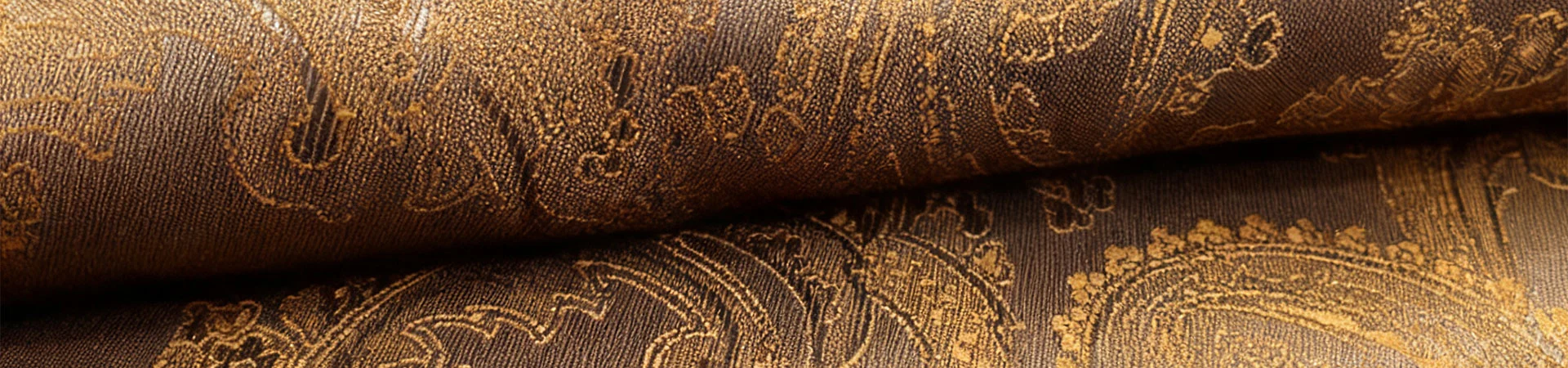
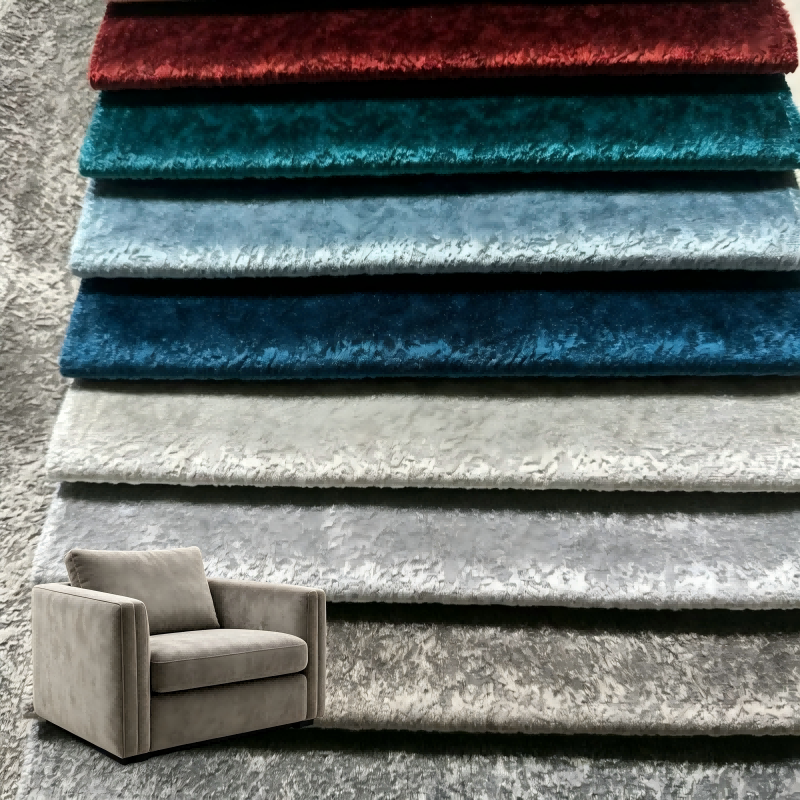
At the core of Snowflake Fleece Chenille Curtain Fabric is the chenille yarn itself. Its unique construction, with fibers radiating outward from a central core, forms a soft pile surface that adds dimension to every woven repeat. This structure scatters light in multiple directions, creating a subtle luster and visual depth. As a result, curtains made from this fabric appear fuller and more substantial, even in relatively simple colorways.
On top of the chenille base, the snowflake fleece finish introduces a micro‑fleece texture that feels exceptionally soft to the touch. The finish enhances visual softness, producing a surface that looks inviting and warm from a distance, yet remains refined up close. This layered structure — chenille pile plus fleece finishing — gives the fabric a distinctly luxurious aesthetic without appearing overly heavy or formal.
Curtain performance is closely linked to fabric weight and drape. Snowflake Fleece Chenille Curtain Fabric is typically engineered to offer a balanced grammage: heavy enough to hang well, yet soft enough to fall into graceful folds. The chenille yarns help create a voluminous, elegant drape, while the fleece surface adds body without stiffness. This balance allows the fabric to frame windows beautifully, supporting both contemporary and classic curtain styles with a naturally full, flowing appearance.
The inherent density of chenille yarns, combined with the layered fleece surface, gives Snowflake Fleece Chenille Curtain Fabric strong shading characteristics. While exact performance depends on construction and color, it generally offers medium to high light‑blocking capacity. This makes it suitable for rooms requiring increased privacy and softer daylight, such as bedrooms, living rooms, and hotel suites. When paired with a lining, it can approach blackout‑level shading for home theaters or hospitality environments.
The plush structure also contributes to effective thermal insulation. The dense yarns and fleece surface create microscopic air pockets that help buffer against external temperatures. In cooler seasons, this can assist in retaining indoor warmth, while in warmer climates, it offers a degree of protection against external heat. Over time, such insulation can enhance comfort and support energy efficiency in both residential and commercial spaces.
Despite its softness, well‑engineered chenille curtain fabric is designed for durability. Quality yarn construction and stable weaving minimize issues such as pile loss, deformation, or excessive pilling. When produced by experienced manufacturers, Snowflake Fleece Chenille Curtain Fabric maintains its appearance over frequent use, opening and closing cycles, and regular maintenance. This balance of tactile comfort with long‑term wear resistance makes it especially attractive to project buyers and brands that prioritize lifecycle performance.
| Feature | Performance Level | Benefit for Curtains |
| Shading ability | Medium to high | Improves privacy and light control |
| Thermal insulation | Good | Helps maintain indoor temperature |
| Texture | Soft fleece + chenille pile | Enhances visual depth |
| Durability | High | Suitable for long-term use |
| Drape quality | Excellent | Creates elegant curtain folds |
One of the most notable advantages of Snowflake Fleece Chenille Curtain Fabric is its ability to instantly soften a room’s atmosphere. The tactile surface invites touch and visually communicates warmth, making it ideal for bedrooms, family living rooms, and lounges where comfort is essential.
In modern interior design, layering textures is key to achieving a sophisticated look. The combination of chenille pile and snowflake fleece creates a nuanced surface that reads beautifully under both natural and artificial light. It pairs well with smooth materials such as leather, glass, and metal, adding contrast and depth. This versatility allows the fabric to complement contemporary, classic, and hotel-style interiors alike.
Chenille yarns are known for their strong dye uptake, resulting in colors that appear deep, saturated, and uniform. When applied to this fabric, both solid shades and heathered tones look particularly rich. Designers can specify anything from calm neutrals to bold jewel tones, confident that the fabric will deliver a refined, luxurious color effect that elevates curtain designs.
Standard polyester curtains are popular for their affordability and easy care, but they often have a smoother, flatter surface with less tactile interest. By contrast, Snowflake Fleece Chenille Curtain Fabric offers a distinctly plush hand feel and visually complex texture. In terms of performance, both can provide acceptable shading, yet chenille’s heavier structure typically enhances privacy and perceived quality, making it more suitable for mid‑ to high‑end applications.
Velvet is traditionally associated with luxury due to its dense pile and deep color. However, velvet can be relatively heavy, expensive, and sometimes more demanding in maintenance. Snowflake Fleece Chenille offers a similar sense of warmth and richness but is often lighter in weight and more cost‑efficient, especially for large‑scale projects. It also tends to be more forgiving in everyday use, with less tendency to show marks or pressure lines than some velvets.
Linen curtains deliver a natural, breathable look with visible slub texture, ideal for relaxed or coastal interiors. However, linen generally offers lower light blocking and can wrinkle more easily. Compared with linen, Snowflake Fleece Chenille provides a softer touch, stronger shading performance, and greater durability. It is better suited to environments where a more polished, insulated, and long‑lasting curtain solution is required.
| Fabric Type | Texture | Light Blocking | Durability | Typical Applications |
| Snowflake Fleece Chenille | Soft and plush | Medium–High | High | Living rooms, hotels |
| Velvet | Smooth and dense | High | Medium | Luxury interiors |
| Linen | Natural and light | Low–Medium | Medium | Casual, relaxed interiors |
| Polyester | Smooth | Medium | High | Budget residential |
In homes, Snowflake Fleece Chenille Curtain Fabric is frequently specified for living rooms, master bedrooms, and children’s rooms where comfort and warmth are key. Its shading performance is suitable for media rooms or home theaters when combined with linings. The fabric’s soft, inviting character helps transform ordinary windows into focal points.
In hospitality projects, this fabric is well suited for guest rooms, suites, hotel lobbies, and luxury apartments. It offers a premium feel that aligns with upscale branding while providing reliable durability under frequent use. In commercial environments such as office reception areas or executive lounges, it adds a sense of refinement and acoustic softness, contributing to a calmer atmosphere.
Interior designers increasingly value materials that strike a balance between aesthetics and performance. Snowflake Fleece Chenille Curtain Fabric offers versatile styling options — from minimal, solid-color schemes to more expressive palettes — while delivering consistent drape, shading, and longevity. This blend of visual appeal and functional reliability explains its rising presence in curated curtain collections and custom interior projects.
For brands, wholesalers, and project buyers, a consistent supply of fabric is as important as design. Stable production capacity ensures that color lots can be repeated, reorders can be fulfilled on time, and large projects can be completed without delays. This is particularly critical when coordinating curtains across multiple rooms, floors, or properties.
Reliable manufacturers implement strict quality control at each stage. Yarn inspection checks fiber quality, twist, and pile stability before weaving. During fabric formation, parameters such as density and weight are monitored to maintain target specifications. Post‑weaving, color consistency testing, dimensional stability checks, and hand‑feel evaluations help ensure that each batch meets predefined standards. This systematic approach supports long‑term product reliability.
Companies such as Ningbo Nashe Textile Co., Ltd. focus on maintaining robust manufacturing processes, from yarn selection to finishing. Their experience in chenille and fleece technologies allows them to deliver stable quality, tailored specifications, and customization options in terms of color, weight, and width. This makes them valuable partners for curtain brands and textile buyers seeking dependable, scalable solutions.
When sourcing Snowflake Fleece Chenille Curtain Fabric, buyers should first assess a supplier’s overall manufacturing strength. Key factors include production scale, equipment level, and the ability to manage multiple orders simultaneously. Advanced weaving and finishing technology indicates better control over texture, drape, and performance.
Leading suppliers offer flexible customization. This may include color development based on Pantone or physical swatches, adjustments to fabric weight for different curtain styles, and pattern variations such as jacquard textures or subtle surface designs. Such options allow brands and interior projects to differentiate their collections while staying within a consistent quality framework.
Effective communication is essential, especially for international buyers. Suppliers that provide responsive technical support, clear documentation, and sampling services simplify the sourcing process. Buyers who want more information about Snowflake Fleece Chenille Curtain Fabric should contact our team to discuss detailed specifications, performance requirements, and project timelines, as well as request lab dips and sample yardage for evaluation.
To maintain appearance and texture, Snowflake Fleece Chenille Curtain Fabric is generally best cared for through professional dry cleaning or gentle washing methods, depending on the specific finishing and care label instructions. When machine washing is allowed, a mild detergent and delicate cycle are recommended.
To extend fabric life, avoid prolonged exposure to intense direct sunlight, which can gradually affect color and fibers over time. Proper hanging methods, using suitable curtain rods and hooks, help support the fabric’s weight and prevent stretching at the header or hem. Lining can also provide an additional layer of protection.
Regular dust removal using a soft brush attachment or gentle vacuuming helps keep the surface clean without damaging the pile. Periodic airing and careful steaming or low‑temperature ironing, when appropriate, will maintain the drape structure. With correct care, the fabric can retain its softness, color, and elegant folds over many years of use.
| Care Method | Recommended Practice |
| Washing | Gentle cycle or professional cleaning |
| Drying | Air dry to maintain texture |
| Ironing | Low temperature if necessary |
| Storage | Fold carefully to prevent pile damage |
Consumers increasingly look for interiors that feel as good as they look. Tactile fabrics such as chenille, boucle, and fleece are gaining share in curtains, upholstery, and accessories. Snowflake Fleece Chenille Curtain Fabric fits directly into this trend by offering a distinctly soft and comforting touch.
Sustainability is becoming a critical selection criterion. Going forward, more chenille curtain fabrics are expected to incorporate eco‑friendly fibers, such as recycled polyester or responsibly sourced blends, along with water‑saving dyeing techniques and reduced chemical usage. Buyers will favor suppliers who can document and demonstrate responsible manufacturing practices.
The global market for curtains and window coverings is supported by ongoing growth in hospitality, residential renovation, and professional interior design services. As design expectations rise in both developed and emerging markets, high‑value fabrics like Snowflake Fleece Chenille are likely to be specified more frequently, especially in mid‑ to upper‑tier projects that demand a combination of comfort, style, and performance.
Snowflake Fleece Chenille Curtain Fabric is becoming a preferred choice for curtains because it successfully unites rich texture, elegant drape, and dependable functional performance. Its chenille yarn structure and snowflake fleece finish deliver a plush, visually layered surface that enhances shading, comfort, and perceived quality in both residential and commercial spaces. From living rooms and bedrooms to hotels and high‑end apartments, it supports versatile applications while maintaining durability and long‑term value.
To fully realize the benefits of this fabric, it is essential to work with experienced textile manufacturers. Companies such as Ningbo Nashe Textile Co., Ltd. provide the stable quality, customization capability, and reliable supply that brands and project buyers require. For more detailed product information, specification support, or sourcing inquiries, readers are encouraged to contact our team and explore tailored solutions for their curtain collections.
1.What is Snowflake Fleece Chenille Curtain Fabric?
It is a curtain fabric combining chenille yarn structure with a soft snowflake fleece surface, offering both texture and warmth.
2.Is chenille curtain fabric durable?
Yes. Chenille fabrics are generally strong and resistant to wear, making them suitable for long-term curtain use.
3. Does Snowflake Fleece Chenille Curtain Fabric provide good shading?
Due to its dense structure and plush surface, it typically provides medium to high light-blocking performance.
4. Where is this fabric commonly used?
It is widely used in living rooms, bedrooms, hotels, apartments, and other interior environments.
5. How can buyers source this fabric?
Buyers can work directly with textile manufacturers such as Ningbo Nashe Textile Co., Ltd. and contact our team for samples, specifications, and customization options.