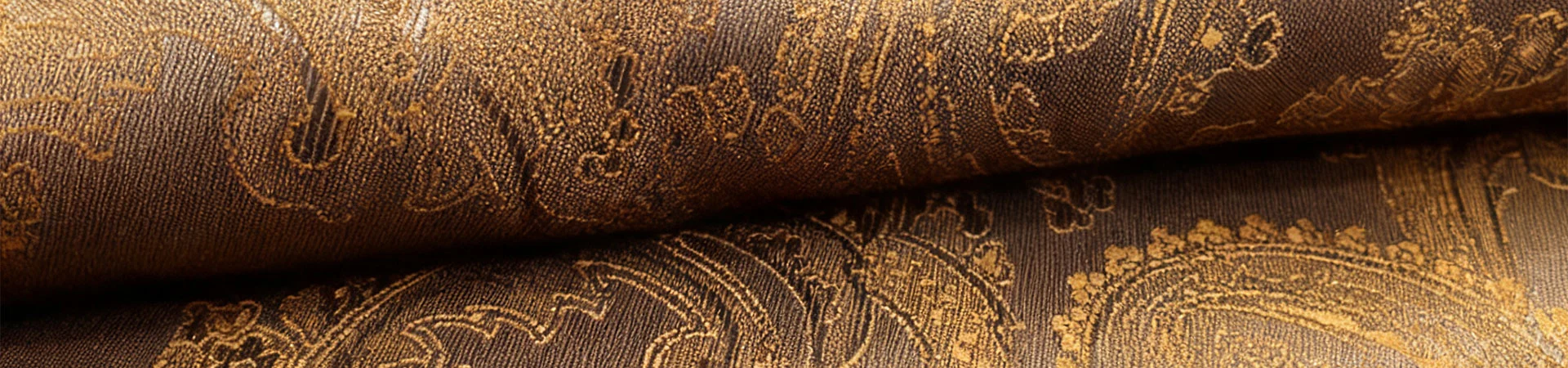
Look closely at a running shirt, basketball jersey, training top, or outdoor sports garment, and you will often find areas covered with tiny holes. At first glance, they may simply look like part of the design. In fact, these openings can have an important effect on how the garment feels during exercise.
This type of fabric is commonly known as mesh fabric. Its open structure allows more space for air to move through the fabric, which is one reason mesh is widely used in sportswear.
But what exactly is mesh fabric? What is it made from, and why are there so many different mesh structures on the market?
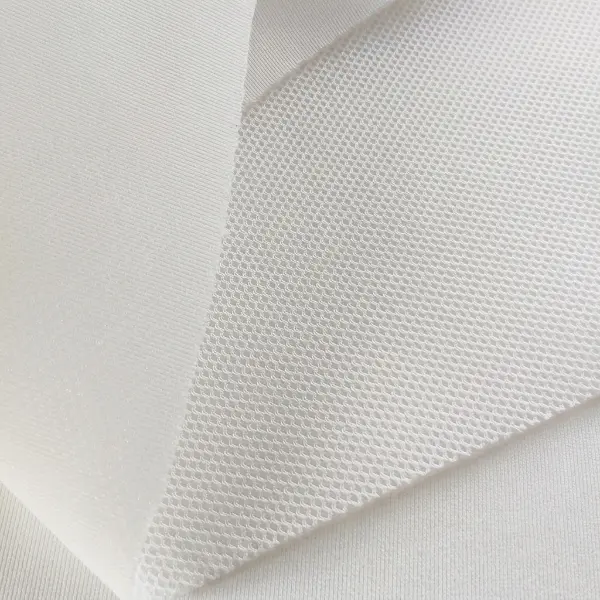
Mesh fabric is a general term for textiles with a regular open or net-like structure. It is not limited to one particular fiber or manufacturing method. Different weaving and knitting structures can be used to create different types of mesh.
Common raw materials include polyester, nylon, cotton, and other synthetic fibers. In sportswear, polyester and nylon mesh are particularly common because their properties can be adjusted through yarn selection, fabric construction, and finishing processes.
The openings can also vary considerably. They may be triangular, square, diamond-shaped, hexagonal, or other patterns. The size and arrangement of these openings affect the fabric's appearance, airflow, weight, stretch, and coverage.
It is also worth making one distinction: mesh fabric and leno fabric are not exactly the same thing. Leno is a specific weaving structure formed by crossing warp yarns around filling yarns, while “mesh fabric” is a broader term covering many fabrics with an open structure. Some mesh fabrics used in modern sportswear are knitted rather than made with traditional leno weaving.
During exercise, the body produces more heat and sweat. If a garment has a very dense structure, heat and moisture may have fewer opportunities to escape, which can make the garment feel warm and damp.
Mesh fabric approaches this problem through its open structure. The spaces between the yarns or knitted loops provide additional pathways for air movement, helping improve ventilation and reduce the feeling of stuffiness.
For this reason, mesh does not always need to cover an entire garment. Designers often place it in areas where heat and moisture tend to build up, such as the back, underarms, and side panels.
Air permeability is one of the most recognizable characteristics of mesh fabric.
Compared with a relatively dense textile, the open structure of mesh provides more space for air to pass through. This can help release heat and moisture from the space between the body and the garment.
However, a larger opening does not automatically mean a better fabric. Mesh size needs to be considered together with the garment's intended use, coverage requirements, fabric weight, and overall construction.
Breathability is not the only consideration during exercise. Sweat also needs to move away from the skin and through the clothing system.
The open structure of mesh can increase air exchange around the garment. This is why mesh panels are frequently found in running shirts, training tops, basketball jerseys, football jerseys, and other sportswear designed for active use.
Many mesh fabrics are relatively lightweight because their open construction uses less material in the covered area than a dense fabric of similar dimensions.
For sportswear, lower fabric weight can help keep the garment light and comfortable during movement.
Actual fabric weight still depends on the fiber, yarn size, mesh structure, density, and finishing process. Therefore, not every mesh fabric should be considered lightweight simply because it has openings.
Some mesh fabrics have a certain degree of stretch, particularly knitted mesh or fabrics containing elastane.
This can be useful for garments that need to move with the wearer during stretching, running, training, or other activities.
For this reason, fabric selection should consider not only air permeability but also stretch, recovery, and dimensional stability.
Sportswear is repeatedly worn, washed, stretched, and exposed to friction. The durability of the finished fabric therefore matters just as much as its appearance.
Different fibers offer different levels of strength, abrasion resistance, softness, and care requirements. Fabric construction also affects how the material performs in actual use.
For example, a training garment may place greater emphasis on durability, while a close-fitting sports garment may require a softer hand feel and better stretch recovery.
If you compare several sports garments, you will notice that their mesh openings can look completely different. Some are so fine that they are barely visible, while others are large enough to clearly see the layer underneath.
This is because mesh size is normally selected according to the intended function of the garment.
| Mesh Structure | Typical Characteristics | Common Considerations |
|---|---|---|
| Small openings | More coverage and a finer appearance | T-shirts, training wear, everyday sportswear |
| Medium openings | A balance between ventilation and coverage | Running wear, team sportswear |
| Large openings | More open structure and strong visual ventilation effect | High-intensity sportswear and ventilation panels |
| Special patterns | Distinctive appearance and design flexibility | Branded sportswear and decorative panels |
There is no single mesh structure that is best for every application. A high-intensity sports garment may use larger mesh panels for ventilation, while a garment intended for both exercise and everyday wear may use finer mesh for better coverage.
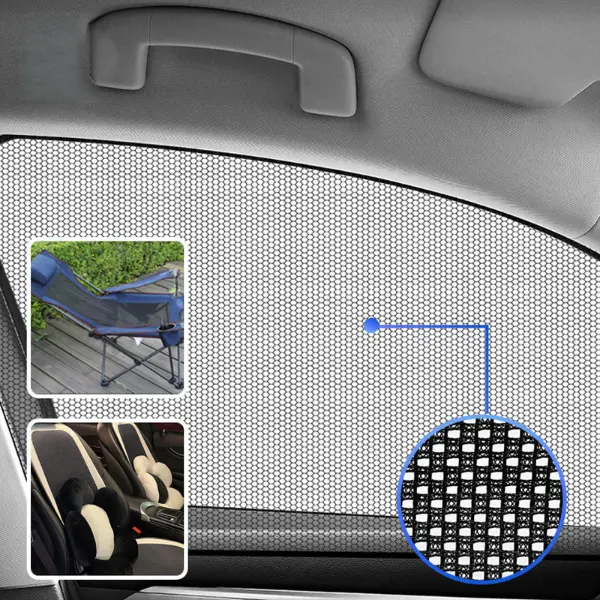
No. Sportswear is only one of the many applications for mesh fabric.
Depending on the fiber, structure, and finishing process, mesh textiles can also be used for:
A common reason for using mesh is the need for some degree of air circulation, combined with a lighter or more open material structure.
Polyester, nylon, cotton, and fabrics containing elastane can have different characteristics in terms of strength, softness, stretch, moisture behavior, and care requirements.
The right choice depends on the type of garment and its intended use.
Look at the size, shape, and distribution of the openings rather than simply asking whether a fabric is “mesh.” These structural differences can affect ventilation, coverage, appearance, and fabric performance.
Fabric weight can vary significantly even among mesh fabrics that look similar. A lightweight mesh may be suitable for certain sports garments and ventilation panels, while a heavier mesh may be preferred where greater structure or durability is required.
For fitted sportswear or garments designed for frequent movement, stretch and recovery deserve particular attention. A fabric should not only stretch when the wearer moves but also maintain its intended shape after repeated use.
Running shirts, basketball jerseys, yoga wear, training garments, and outdoor clothing do not necessarily require the same type of mesh.
Instead of choosing a fabric based only on its ventilation, it is better to consider the complete application, including the sport, body area, fabric weight, stretch, coverage, durability, and desired appearance.
The main value of mesh fabric is not simply that it “looks like a net.” Its open structure changes how air and moisture can move through the textile.
For sportswear, this structure can help improve ventilation while allowing manufacturers to combine different fibers, yarns, fabric constructions, and finishing processes to achieve specific requirements for weight, stretch, durability, comfort, and appearance.
That is why mesh fabric has become such a common component of modern sportswear. The next time you see a mesh panel on a running shirt or training top, it is worth looking at it as a functional part of the garment—not just a design detail.