Why Do Similar Quick Dry Fabrics Deliver Different Wearing Experiences?
When choosing running apparel, many people focus on fabric composition, such as polyester, nylon, or elastane content. However, during actual workouts, breathability and comfort are not determined by fiber materials alone. The fabric construction plays an equally important role.
Even when two fabrics use the same fiber composition, their performance can vary significantly depending on how they are knitted. One fabric may feel lightweight and breathable, while another may trap heat and moisture against the skin during intense exercise.
Fiber materials determine the basic properties of a fabric, while the fabric structure influences airflow, moisture transfer, drying speed, and performance in wet conditions.
A high-performance running fabric needs to solve two major problems:
Before heavy sweating begins or during low-intensity exercise, air needs to move freely through the fabric structure to release body heat and improve comfort.
During high-intensity activities, sweat can quickly accumulate. A well-designed fabric should maintain airflow even after absorbing moisture, preventing the fabric from becoming heavy, sticky, or uncomfortable against the skin.
Therefore, creating breathable sports fabrics is not simply about adding larger openings. The real challenge is balancing:
Air permeability
Moisture management
Stretchability
Fabric durability
Wearing comfort
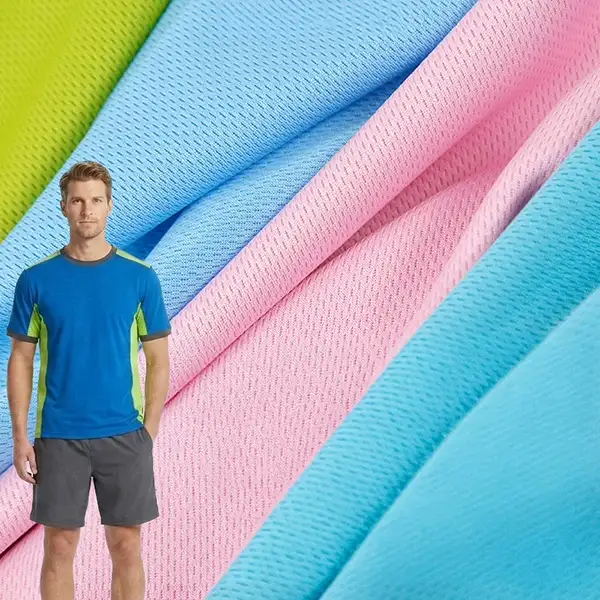
Mesh construction is one of the most widely used breathable structures in performance sportswear.
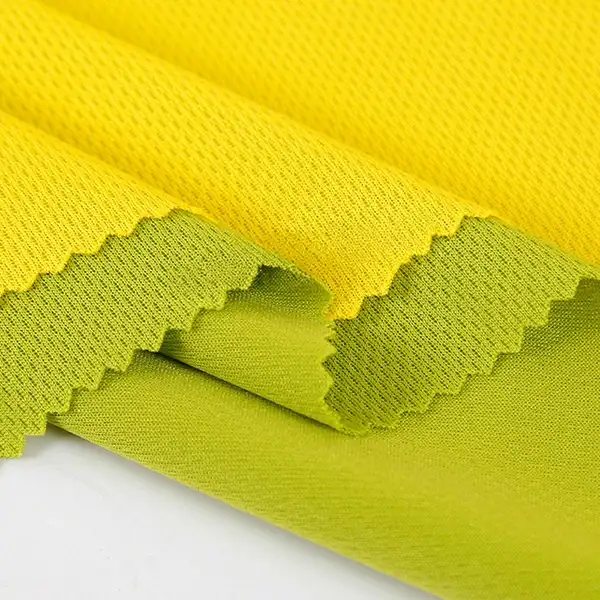
Through specialized knitting techniques, mesh fabrics create controlled openings within the fabric, allowing air to circulate between the inside and outside surfaces.
For example, our Quick Dry Mesh Fabric uses a weft-knitted bird’s eye structure, creating thousands of small ventilation channels that improve continuous airflow.
Key specifications:
|
Parameter |
Details |
|
Fabric Weight |
135 GSM |
|
Width |
65 inches |
|
Yarn Specification |
75D |
The lightweight structure makes it suitable for:
Running T-shirts
Training apparel
Outdoor sportswear
However, larger mesh openings do not always mean better overall breathability.
Large mesh holes can provide strong airflow in dry conditions, but after heavy sweating, the fabric may lose stability and feel less comfortable against the skin. Fine mesh structures usually provide a better balance between ventilation, moisture management, and structural stability.
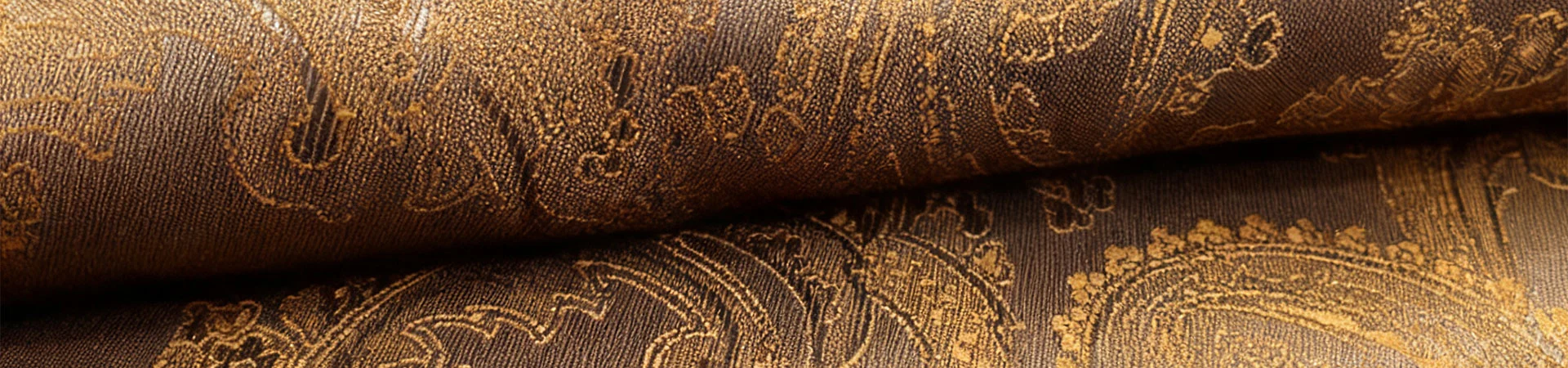
Besides traditional mesh fabrics, jacquard moisture-wicking channel structures are another effective solution for performance sportswear.
This structure uses jacquard knitting technology to create raised channels and textured pathways on the fabric surface.
These channels provide two important benefits:
Maintaining Airflow Space
Even when the fabric is close to the skin, the raised and recessed structure helps maintain small air channels, reducing the uncomfortable feeling caused by complete fabric contact.
Accelerating Moisture Transfer
The channel design uses capillary action to move sweat away from the skin and spread moisture toward the outer surface of the fabric, helping it dry faster.
Compared with large-hole mesh structures, jacquard channel fabrics maintain better support and dimensional stability, making them suitable for:
Running tights
Compression wear
Long sleeve sports tops
They are especially useful in high-sweat areas such as:
Back panels
Side waist areas
Inner thigh sections
Three-dimensional textured structures, including:
Waffle fabric
Seersucker structures
Textured jacquard fabrics
create raised surfaces and controlled spaces between the fabric and skin.
This design helps to:
Reduce direct skin contact
Increase airflow channels
Improve long-term wearing comfort
Compared with ultra-light racing fabrics, textured structures are more suitable for:
Daily running
Fitness training
Outdoor activities
They provide a more stable balance between comfort and moisture management during extended use.
In professional sportswear design, a single fabric structure is rarely used across the entire garment.
Different body areas have different requirements, including sweat levels, friction, and support needs.
|
Area |
Recommended Structure |
Function |
|
Back & Underarm |
Mesh Fabric |
Improve ventilation and heat release |
|
Waist & Shoulder |
Dense Knit Fabric |
Improve durability and shape retention |
|
Chest & Core Area |
Jacquard Channel Fabric |
Balance moisture management and support |
Through zoned fabric design, sportswear manufacturers can achieve a better combination of:
Breathability
Moisture control
Durability
Comfort
For sportswear brands and apparel manufacturers, selecting running fabric should go beyond fiber composition. Several factors should be considered:
Fabric Structure
Different knitting structures determine airflow performance and suitable application scenarios.
Moisture Management
Evaluate how quickly the fabric spreads and releases sweat during exercise.
Fabric Stability
Running apparel requires fabrics that maintain shape, elasticity, and performance after repeated washing.
Custom Development Capability
A professional sports fabric supplier should be able to customize:
Yarn specifications
Fabric weight
Mesh opening design
Surface texture
Functional finishing treatments
This allows brands to develop fabrics that match different product positioning and performance requirements.