News

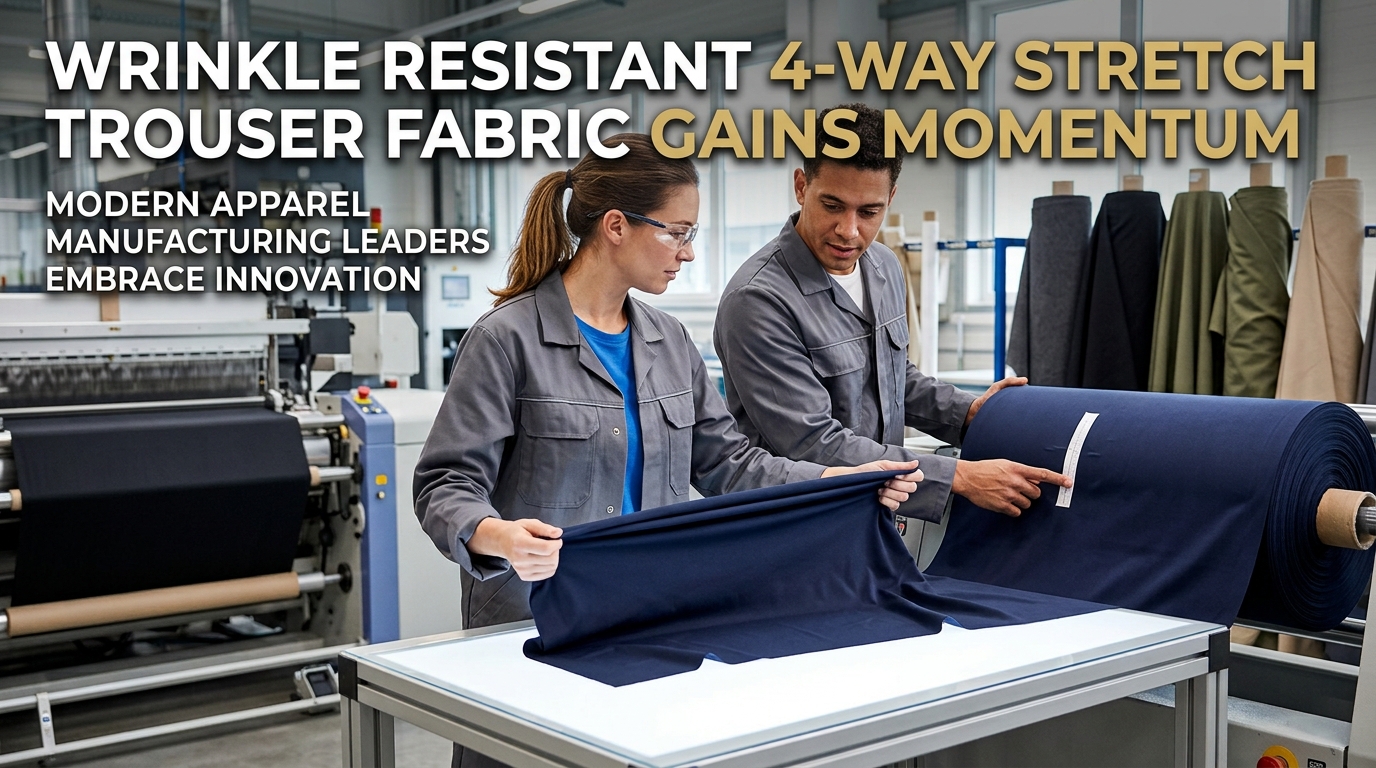
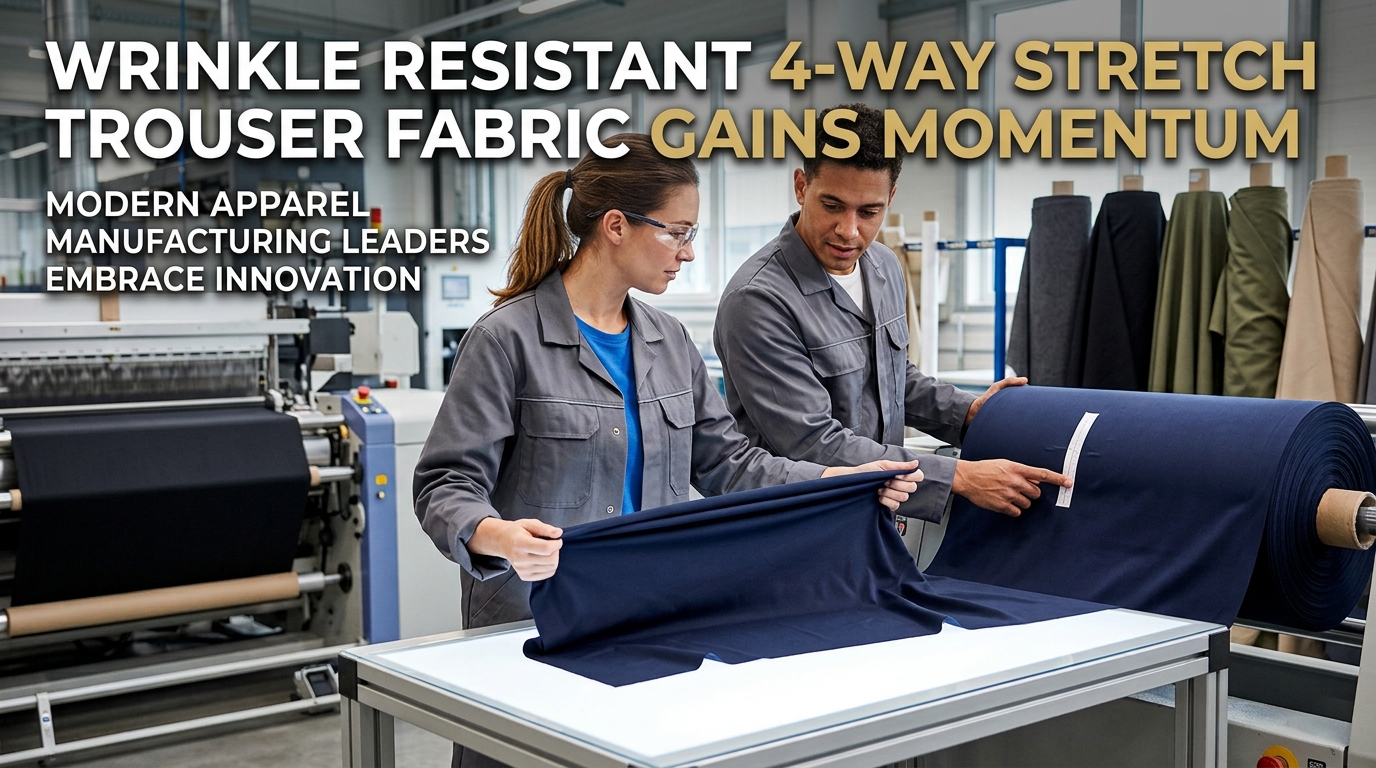
Wrinkle Resistant 4 Way Stretch Trouser Fabric Gains Momentum in Modern Apparel Manufacturing

2026-08-14 0 Leave me a message

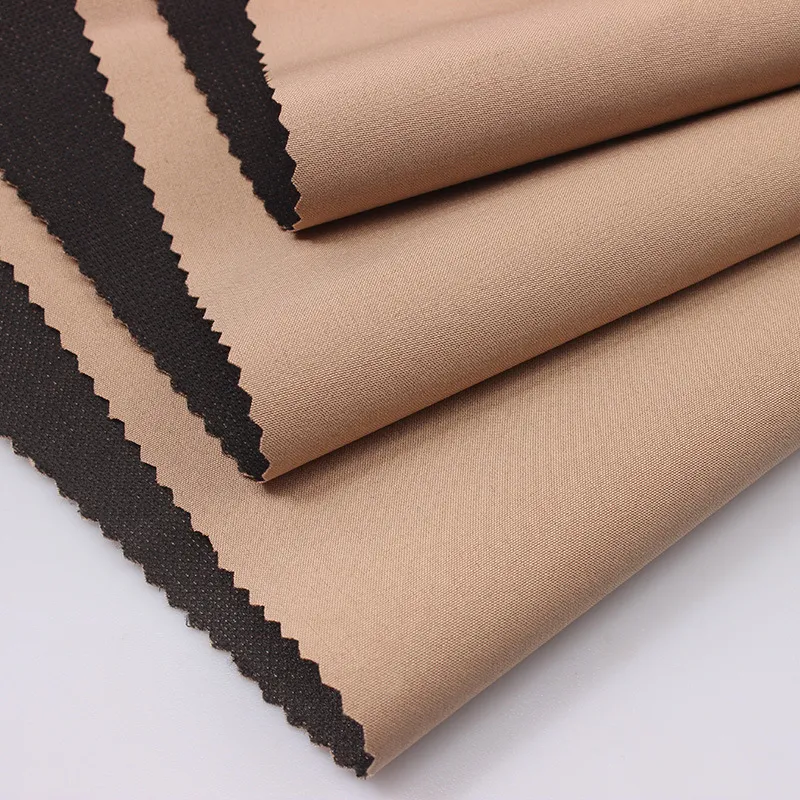
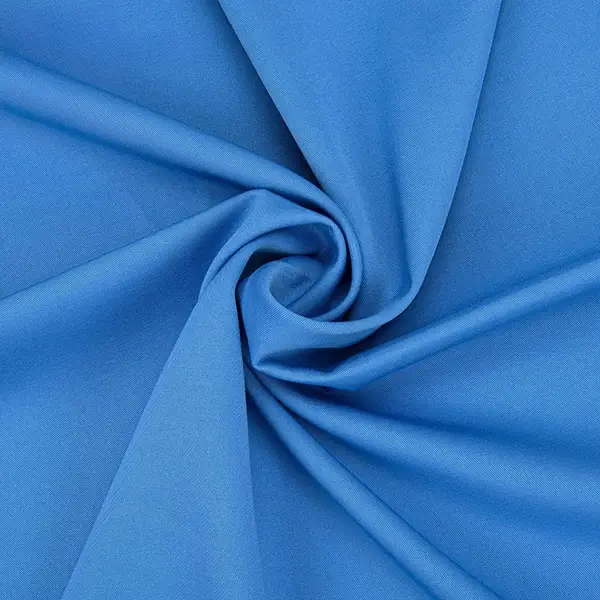
Modern trousers are no longer expected simply to look polished. Consumers increasingly demand garments that support commuting, office hours, travel, casual movement, and extended wear without developing deep creases or restricting the body. Wrinkle Resistant 4 Way Stretch Trouser Fabric has emerged as a practical response to these expectations. Wrinkle resistance helps trousers retain a cleaner appearance with less frequent ironing, while 4-way stretch delivers freedom of movement in multiple directions. Together these attributes enable comfortable, practical, easy-care trousers suited to contemporary lifestyles. Successful development, however, requires more than simply combining stretch and wrinkle resistance. Fiber composition, yarn structure, fabric construction, finishing, stretch recovery, dimensional stability, hand feel, and long-term durability all shape the final garment’s real-world performance.

Table of Contents

  1. Why Wrinkle Resistant 4 Way Stretch Trouser Fabric Is Gaining Momentum
  2. What Is Wrinkle Resistant 4 Way Stretch Trouser Fabric?
  3. Key Benefits of Wrinkle Resistant 4 Way Stretch Trouser Fabric
  4. Balancing Wrinkle Resistance and Stretch Performance
  5. Wrinkle Resistant 4 Way Stretch Trouser Fabric for Different Applications
  6. Fabric Performance Factors Manufacturers Should Evaluate
  7. From Fabric Development to Finished Garment
  8. How to Select Wrinkle Resistant 4 Way Stretch Trouser Fabric
  9. Sourcing Considerations for Apparel Manufacturers
  10. Care and Maintenance of Wrinkle Resistant Stretch Trousers
  11. Comparing Trouser Fabric Requirements by Application
  12. FAQs
  13. Conclusion

1. Why Wrinkle Resistant 4 Way Stretch Trouser Fabric Is Gaining Momentum

Consumer priorities have shifted. Traditional emphasis on pure appearance and basic durability has expanded to include comfort, mobility, easy care, and versatility. Many wearers now expect the same pair of trousers to move seamlessly from the commute to the office, then into travel or casual settings, without looking tired or feeling restrictive. This has driven demand for multi-scenario trousers whose boundaries between workwear, casualwear, travelwear, and lifestyle apparel have become less rigid. Fabric must therefore perform reliably across varied situations rather than excel in only one.

Appearance and comfort can no longer be treated as competing goals. A fabric that looks formal yet feels stiff will frustrate users during long days of sitting and moving. Conversely, a highly flexible material that wrinkles easily or loses shape may fail professional or uniform standards. Wrinkle Resistant 4 Way Stretch Trouser Fabric is designed to address both requirements at once, offering a cleaner surface together with multidirectional ease of movement.

2. What Is Wrinkle Resistant 4 Way Stretch Trouser Fabric?

Wrinkle resistance refers to a fabric’s ability to resist the formation of permanent creases or to recover more readily from them. Construction, fiber characteristics, and finishing treatments all influence how wrinkles develop and how quickly they release. The property does not mean trousers will never crease; rather, it reduces visible wrinkling under normal wear and storage conditions and often lessens the need for intensive ironing.

Four-way stretch differs from two-way stretch by allowing extension both horizontally and vertically (and typically on the bias as well). This multidirectional flexibility accommodates everyday movements such as walking, sitting, bending, and squatting without the fabric binding against the body. Stretch alone, however, is insufficient. Stretch recovery—the ability of the fabric to return promptly to its original dimensions—together with dimensional stability determines whether trousers maintain their intended shape and fit after repeated wear and washing.

Fabric construction further governs overall performance. Fiber blend, yarn structure, weave or knit type, density, weight, elastane content, and finishing treatments interact to influence comfort, drape, durability, wrinkle resistance, and recovery. Each variable must be balanced according to the intended end use.

3. Key Benefits of Wrinkle Resistant 4 Way Stretch Trouser Fabric

Wrinkles commonly form around the knees, hips, waist, and seat during extended wear. Wrinkle-resistant properties help limit the depth and permanence of these creases, supporting a neater appearance throughout the day. Four-way stretch follows body movement rather than resisting it, reducing the restrictive feel often associated with traditional woven trousers. Easier care follows naturally: many such fabrics require less frequent or less intensive ironing, which is valued by both individual consumers and institutional users. Extended-wear comfort improves because the fabric remains flexible during long office days, commuting, flights, or travel. Consistent garment appearance is especially important for uniforms, business trousers, and hospitality apparel, where visual standards must be maintained across multiple wear cycles.

4. Balancing Wrinkle Resistance and Stretch Performance

Fiber composition plays a central role. Polyester and nylon frequently contribute durability, dimensional stability, and ease of care; cotton or viscose/rayon can enhance softness and moisture absorption; elastane supplies the elastic recovery essential for stretch. No single blend is ideal for every application—the proportions must match the performance targets of the garment. Elastane content and the way it is incorporated into the yarn or fabric structure need careful calibration; excessive elastane may compromise recovery or hand feel, while too little may limit mobility.

Fabric weight influences comfort, coverage, drape, durability, and seasonal suitability. Lighter constructions favor travel and warmer climates; heavier ones often provide better opacity and structure for business or workwear. Finishing treatments can enhance wrinkle resistance, softness, surface appearance, and dimensional stability, yet they must be compatible with the fiber system and subsequent garment processing. Laboratory metrics alone do not guarantee commercial success. Drape, hand feel, and softness determine whether the fabric feels appropriate next to the skin and hangs correctly on the body. Finally, durability under repeated wear and washing is critical: stretch recovery, surface quality, and appearance must remain acceptable after multiple laundry cycles.

Comparison Table: Fabric Performance Priorities

Performance Factor Why It Matters in Trousers Key Applications
Wrinkle resistance Helps maintain a neat appearance Business, uniforms, travel
4-way stretch Improves mobility Travel, casual, functional
Stretch recovery Helps maintain garment shape All stretch trousers
Dimensional stability Limits unwanted size changes Commercial production
Soft hand feel Improves wearing comfort Casual, travel
Abrasion resistance Supports durability Workwear, outdoor
Breathability Helps manage heat and moisture Travel, summer, outdoor
Colorfastness Supports long-term appearance All applications

5. Wrinkle Resistant 4 Way Stretch Trouser Fabric for Different Applications

Business and office trousers typically prioritize wrinkle resistance, clean appearance, controlled drape, shape retention, and day-long comfort. Travel trousers require a broader combination of mobility, wrinkle resistance, easy care, packability, and extended-wear performance so the garment remains presentable after hours in transit. Casual trousers emphasize softness, flexibility, everyday durability, and relaxed comfort. Workwear and uniform trousers place greater weight on abrasion resistance, colorfastness, consistent appearance, and easy care under institutional laundering. Functional and outdoor trousers may combine stretch with additional performance features such as quick drying, breathability, or water resistance, depending on the specific activity and environment.

6. Fabric Performance Factors Manufacturers Should Evaluate

Buyers should assess both the degree of stretch and the effectiveness of recovery to original dimensions. Wrinkle resistance is best evaluated through a combination of standardized tests and real-world garment trials. Shrinkage testing confirms dimensional stability after washing. Colorfastness to washing, rubbing, perspiration, and light exposure protects long-term appearance. Abrasion resistance is particularly relevant for high-use workwear and uniforms. Breathability and moisture management influence comfort in warm climates, commuting, and active use. Fabric width and weight affect cutting efficiency, garment construction cost, and end-use performance. Production consistency across bulk rolls—weight, width, shade, stretch, and finishing—must be verified to avoid variation in finished garments.

7. From Fabric Development to Finished Garment

Stretch fabrics often behave differently from rigid woven materials during cutting; proper tension control and pattern adjustment help maintain accuracy. Sewing requires stitch types, seam constructions, and handling techniques suited to elastic materials so seams remain secure without restricting stretch. Pressing and finishing conditions must respect the fiber blend and any applied finishes to avoid damage or permanent distortion. Garment washing can alter shrinkage, appearance, stretch recovery, and hand feel, so process parameters need validation. Fabric-level test results should always be supplemented by finished-garment testing under realistic wear and care conditions.

8. How to Select Wrinkle Resistant 4 Way Stretch Trouser Fabric

Selection begins with a clear definition of the end use rather than reliance on isolated performance claims. Performance priorities should then be ranked according to the garment’s purpose—for example, appearance and drape for business trousers versus durability and moisture management for outdoor styles. Technical specifications covering composition, weight, width, stretch percentage, recovery, shrinkage, colorfastness, wrinkle resistance, finishing, and care requirements provide the quantitative foundation. Physical samples must be requested and thoroughly tested before bulk approval. Finally, the supplier’s ability to reproduce the approved sample consistently at commercial scale should be confirmed.

9. Sourcing Considerations for Apparel Manufacturers

Suppliers capable of adjusting fiber composition and other specifications allow brands to tailor fabrics to distinct product lines. Minimum order quantities and sampling processes should be clarified early to align development timelines. Color development involves shade matching, lab dips, bulk consistency, and verification of colorfastness. Quality control must cover width, weight, defects, stretch, recovery, and shade uniformity. Delivery reliability, production capacity, and consistency on repeat orders support stable manufacturing programs. Ningbo Nashe Textile Co., Ltd is one resource that apparel manufacturers may investigate when seeking wrinkle-resistant 4-way stretch trouser fabrics. Contact our team to discuss specific requirements and sampling options.

10. Care and Maintenance of Wrinkle Resistant Stretch Trousers

Care instructions on the garment label should always take precedence. Washing should follow the recommended temperature and cycle to protect both the base fibers and the elastane component. Drying methods that avoid excessive heat help preserve shape and stretch recovery. Although wrinkle-resistant fabrics often need less ironing, careful steaming or low-temperature pressing can still refresh appearance when required. Harsh treatment, high heat, or unsuitable washing conditions can degrade elastic components and surface quality over time.

Care Methods Table

Care Method Recommended Approach Why It Matters
Washing Follow garment care label Protects fabric performance
Water temperature Use the specified temperature Helps limit shrinkage and damage
Drying Use the recommended drying method Helps preserve shape and stretch
Ironing Use suitable temperature Reduces risk of heat damage
Steaming Useful for light wrinkles Can refresh appearance
Storage Hang or fold appropriately Helps minimize unnecessary creasing

11. Comparing Trouser Fabric Requirements by Application

No single specification suits every trouser category. The following guidelines illustrate typical priority rankings; actual requirements will vary with design, price point, and brand standards.

Trouser Application Wrinkle Resistance 4-Way Stretch Durability Softness Other Priorities
Business trousers High Medium–High Medium Medium Drape, appearance
Travel trousers High High Medium–High High Easy care
Casual trousers Medium High Medium High Comfort
Uniform trousers High Medium–High High Medium Colorfastness
Workwear trousers Medium High Very High Medium Abrasion resistance
Functional trousers Medium–High High High Medium–High Breathability, drying

These priorities serve as directional guidance rather than universal specifications.

12. FAQs

Wrinkle Resistant 4 Way Stretch Trouser Fabric combines resistance to visible creasing with the ability to stretch in multiple directions, supporting both appearance retention and mobility. Four-way stretch means the material extends horizontally and vertically, accommodating a wider range of body movements than two-way stretch. Whether 4-way is preferable depends on the garment’s intended use; greater multidirectional mobility is often advantageous for travel, casual, and functional trousers, while controlled stretch may suffice for structured business styles. Wrinkle resistance typically reduces the severity or permanence of creases rather than eliminating them entirely. Common fibers include polyester, nylon, elastane, cotton, viscose/rayon, and various blends selected to balance the required properties. Manufacturers should evaluate stretch recovery, wrinkle resistance, shrinkage, colorfastness, weight, width, hand feel, durability, and production consistency before committing to bulk. The fabric is well suited to business trousers when professional appearance and movement comfort are both priorities. Customization of composition, weight, color, finishing, and other parameters is frequently possible and depends on the capabilities of the chosen textile supplier.

13. Conclusion

Modern trouser development increasingly centers on combining multiple practical performance characteristics rather than optimizing a single attribute. Wrinkle Resistant 4 Way Stretch Trouser Fabric addresses appearance retention, freedom of movement, easy care, comfort, and multi-scenario use in a single material platform. Manufacturers should avoid selecting fabric solely on the strength of one performance claim. The most successful choice balances wrinkle resistance, stretch recovery, dimensional stability, hand feel, durability, appearance, and cost against the specific requirements of the intended garment. Buyers are encouraged to test samples thoroughly and confirm production consistency before proceeding to bulk manufacturing.

Related News
Leave me a message
X
We use cookies to offer you a better browsing experience, analyze site traffic and personalize content. By using this site, you agree to our use of cookies.Privacy Policy
RejectAccept