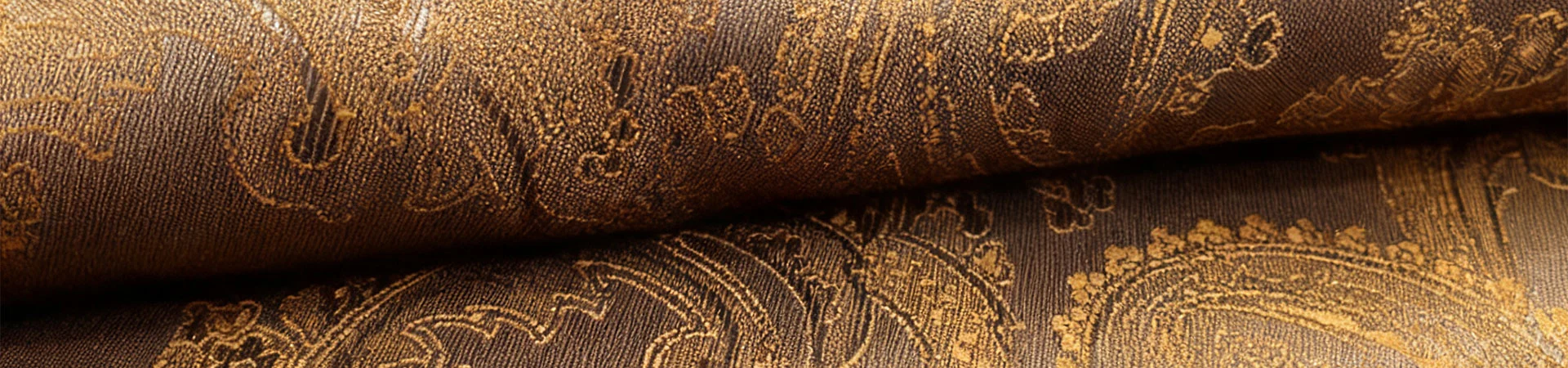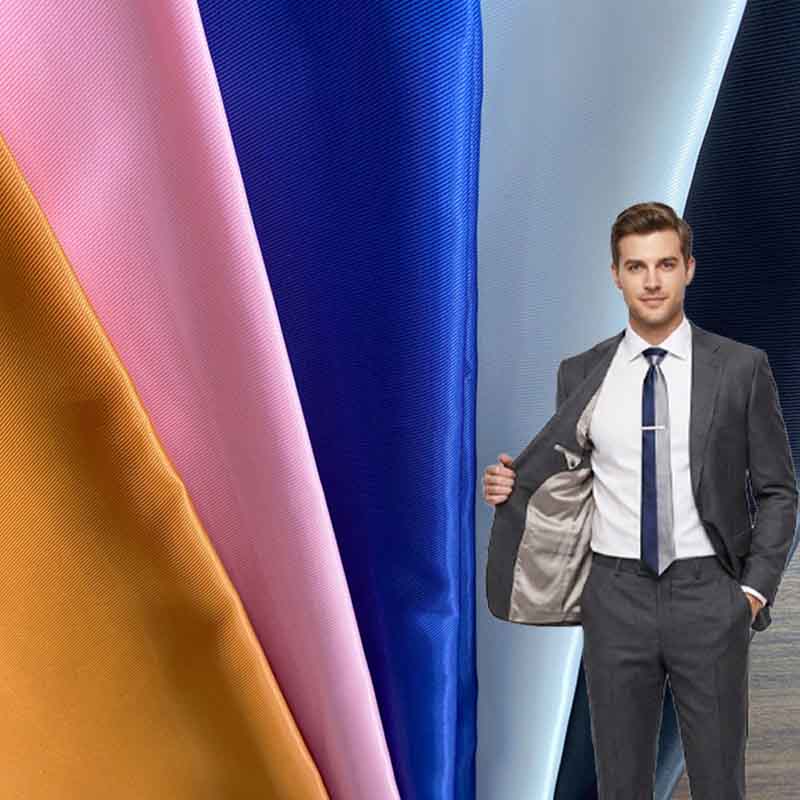
In the current apparel market, where every detail influences perceived value, lining fabric is no longer an afterthought. For suits, blazers, coats, dresses, skirts, and luxury garments, the lining is a key driver of comfort, drape, and long-term durability.
Rayon Twill Lining Fabric has become a preferred choice among brands, designers, and sourcing teams because it brings together:
For buyers, designers, and wholesalers, understanding how rayon twill is constructed, how it performs, what specifications to check, and how to source it correctly is essential. This guide walks through all the critical points you should evaluate before placing bulk orders.
Rayon Twill Lining Fabric is a woven lining material produced mainly from viscose rayon fibers or rayon-based blends, using a twill weave. It is engineered specifically for use as the inner layer of garments.
Key functional roles in garments:
The base yarns are usually fine filament or high-quality spun rayon, sometimes blended with fibers such as polyester or acetate to balance strength, cost, and performance.
A twill weave is defined by a regular diagonal line visible on the fabric surface. This comes from a specific over-under interlacing of warp and weft, often in sequences such as 2/2 or 3/1 twill.
Benefits of twill construction for lining:
The diagonal twill texture is subtle but communicates quality—especially important in premium tailoring and luxury segments.
Rayon twill linings come in multiple compositions to suit different end uses and price points:
| Fiber Composition | Key Benefits | Typical Applications |
| 100% Viscose Rayon | Softest hand feel, excellent drape, breathable | Premium suits, luxury womenswear |
| Rayon / Polyester Blend | Higher durability, better wrinkle resistance | Corporate wear, uniforms, daily wear |
| Rayon / Acetate Blend | Enhanced luster, very smooth surface | Fashion garments, occasion wear |
| Rayon Multi-Fiber Blends | Tuned balance of cost, comfort, and strength | General apparel, mid-market fashion |
When selecting composition, buyers should align fiber blend with target market (mass, premium, luxury) and performance expectations (care method, wearing frequency).
Rayon is known for its silky, skin-friendly touch. In twill form, this is further enhanced:
For brands focused on wearer experience, softness is often a decisive factor over cheaper synthetic linings.
Rayon has excellent drapability, which is critical for high-end fashion:
Visually, rayon twill supports a more luxurious inner appearance, which matters in premium and luxury segments where customers often inspect garment interiors.
Compared to purely synthetic linings, rayon offers:
For markets in warmer climates or brands positioning around comfort, this is a major selling point.
Static buildup is a common complaint with 100% synthetic linings:
For womenswear, where cling and ride-up can be a serious issue, this is a key functional advantage.
| Property | Rayon Twill Lining | Polyester Lining |
| Softness | Excellent, silky | Moderate, can feel synthetic |
| Breathability | High | Low to moderate |
| Moisture Absorption | High | Low |
| Static Resistance | Better | Generally poorer |
| Durability | Good | Excellent |
| Cost | Moderate | Usually lower |
In short:
Many brands choose rayon/polyester blends to strike a balance.
Acetate linings are known for:
Rayon twill, by comparison:
Designers often choose acetate for a very shiny, glamorous interior; they choose rayon when comfort and breathability are higher priorities.
Cotton linings:
However, compared to rayon twill:
Rayon twill is therefore preferred in finely tailored garments and lightweight dresses where a smooth, flowing, and refined interior is required.
For sourcing teams and designers, the following specs are critical when approving rayon twill lining fabrics.
Weight directly affects:
Typical rayon twill lining weight ranges:
The correct choice balances hand feel, climate, and garment category.
Common widths:
Wider widths increase:
Construction details to confirm:
Yarn count and pick density influence:
Higher-density constructions typically deliver:
For high-end garments, a finer, tighter construction is usually preferred.
Color fastness testing should cover at minimum:
Weak fastness values can result in:
Always request laboratory test reports aligned with your target markets and care labels.
Excessive shrinkage can distort the garment:
Check shrinkage after relevant care processes (wash, dry clean, steam finishing). For most applications, buyers aim for low, controlled shrinkage within set tolerances.
High-friction areas—elbows, underarms, seat—put stress on linings. Poor abrasion resistance can cause:
Request Martindale or equivalent abrasion testing to ensure performance is suitable for the intended usage (business suits vs occasional wear vs heavy outerwear).
In premium tailoring, rayon twill lining is widely used because it:
Many brands specify rayon for their higher-tier lines while reserving polyester for entry-level products.
For coats and jackets, rayon twill linings:
For winterwear, rayon linings can be paired with insulation layers while maintaining a refined interior surface.
In womenswear, rayon twill lining is valued for:
This is particularly relevant for occasion dresses, work dresses, and high-movement silhouettes.
Luxury brands pay close attention to what the customer feels inside the garment. Rayon twill:
For premium capsule collections or designer collaborations, upgrading from synthetic to rayon linings is a simple, high-impact enhancement.
Calendaring passes the fabric between heated rollers:
Brands can specify the level of gloss based on their aesthetic direction.
Even though rayon is less prone to static than many synthetics, anti-static finishes can be added to:
This is particularly valuable for womenswear and corporate suiting.
Softening finishes:
Over-softening, however, must be avoided to prevent negative impact on strength or seam performance, so finishing should be technically balanced.
Wrinkle-resistant or easy-care finishes:
For businesswear and uniforms, specifying wrinkle-resistant rayon twill linings can markedly enhance product practicality.
Viscose production is undergoing rapid transformation. Many mills now work with:
For brands with ESG targets, sourcing responsible viscose linings is an important step in aligning product development with corporate sustainability goals.
To reduce reliance on virgin raw materials, manufacturers are developing:
These blends can:
The environmental footprint of lining fabrics is heavily influenced by processing. Eco-oriented mills are focusing on:
These investments allow brands to position rayon twill linings as part of a broader sustainability story.
Before approving any rayon twill lining for bulk production, buyers should confirm:
Strong QC frameworks reduce risk of claims, returns, and rework.
When assessing lining suppliers, consider:
A reliable partner can co-develop tailored solutions that align with your brand’s positioning and margin structure.
The goal is not the lowest price per meter—but the best value per garment. Buyers should weigh:
For brands looking for robust, high-quality lining programs, companies such as Ningbo Nashe Textile Co., Ltd provide:
Buyers and designers can contact our team to discuss exact gsm, width, color, finishing, and performance levels required.
Several developments are shaping the next generation of rayon twill linings:
As garments become more technical and consumers more demanding, linings will increasingly be used as a differentiating feature—not just a hidden component.
Rayon Twill Lining Fabric offers a compelling package of advantages for garment manufacturers, brands, and wholesalers:
By carefully selecting fiber composition, weight, width, construction, and finishing, buyers can fine-tune rayon twill linings to match their product positioning and performance needs. When combined with responsible sourcing, eco-friendly processing, and robust quality control, rayon twill becomes a strategic lever for enhancing garment quality, brand image, and customer satisfaction.
As textile innovation and sustainability progress, rayon twill lining fabrics are expected to deliver even greater comfort, functionality, and environmental responsibility—making them a smart, future-ready choice for modern apparel collections.
Rayon Twill Lining Fabric is primarily used as the inner lining for suits, blazers, jackets, coats, dresses, skirts, and premium fashion garments, where comfort and a smooth, luxurious interior are required.
Rayon twill generally delivers better softness, breathability, and moisture absorption, resulting in higher wearer comfort. Polyester usually offers higher durability and lower cost. Many brands choose rayon or rayon-blends when comfort and perceived quality are top priorities.
A twill weave creates a diagonal pattern that improves durability, flexibility, and drape, giving a more premium appearance. A plain weave is simpler and can be less expensive but typically does not offer the same fluid movement or refined visual effect as rayon twill.
Yes. Rayon fibers provide good moisture absorption and breathability, helping regulate the microclimate inside garments and improving comfort in a variety of climates, especially for long hours of wear.
It depends on the garment:
Yes. Many manufacturers now use responsibly sourced viscose, recycled fiber blends, and eco-friendly dyeing and finishing technologies to reduce water, energy, and chemical use. When combined with transparent supply chains and certifications, rayon twill linings can form part of a credible sustainable product strategy.
-