News

What Exactly Is the Acetate Fabric That's Taking the Internet by Storm?

2026-02-02 0 Leave me a message

Acetate fiber has been around for over a century, but online discussions about acetate fabric were scarce until this summer. This year, however, it has suddenly exploded in popularity, becoming a focal point for major brands and a trending topic on platforms both home and abroad.

For those who know little about acetate fiber fabric, this might raise questions:
What exactly is acetate fabric? Why is it so highly regarded?

Today, let’s delve into this familiar yet unfamiliar fabric. As a leading fabric supplier in China, Ningbo NASHE Textile Co., Ltd plays an important role in introducing acetate fabrics to the global markets.


What is Acetate Fabric?

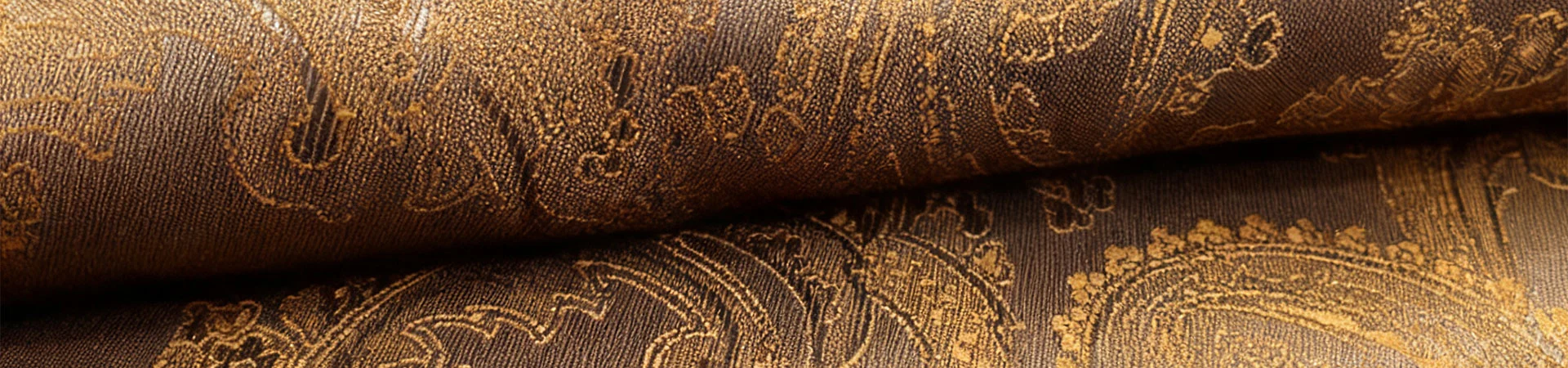
Acetate fabric, also known as acetate fiber (or “vinegar fiber”) and commonly referred to as acetate cloth, is a type of artificial fiber made from refined wood pulp cellulose combined with other raw materials through an esterification process. It is one of the earliest developed chemical fibers in the world.

Fabrics made from acetate have:

  • Strong glossy appearance
  • Vibrant colors
  • Good moisture absorption and breathability
  • Eco-friendly properties such as natural degradability

These characteristics make it widely used in the apparel and home furnishing industries.

Acetate fiber can be categorized into:

  • Diacetate fiber
  • Triacetate fiber

Differences Between Diacetate and Triacetate

  • Triacetate fabric has a higher degree of esterification, offering strong resistance to light and heat, but poorer dyeability and lower moisture absorption (about 3.5% regain rate).
  • Diacetate fabric has lower esterification, weaker heat resistance, but better dyeability and higher moisture absorption (about 6.5% regain rate).

Generally, when referring to acetate fabric without specifying triacetate, the term usually means diacetate fiber.

Both diacetate and triacetate fabrics are available from NASHE.


1.Superior Inherent Performance

a) Cool and Comfortable Touch
Acetate fiber is smooth and contains few impurities. When woven into fabric, it remains flat, has a low air volume, and features high thermal conductivity, allowing heat to dissipate easily. It provides a cooling sensation on the skin, making it suitable for hot and humid summers.

b) Soft and Skin-Friendly
Acetate fabric feels similar to real silk, with a fine, smooth, and lightweight texture that offers comfort and care when in contact with the skin.

c) Luxurious Texture
It is characterized by a pearl-like luster and a fine, soft hand feel, exuding elegance and luxury.

d) Anti-Static Properties
Acetate fabric has certain anti-static capabilities, making it less prone to attracting dust and reducing bacterial or insect infestation.

e) Easy Care
It can be dry-cleaned or machine-washed below 40°C. It dries quickly, does not wrinkle or stiffen easily, and is convenient to maintain.

2.The Perfect Alternative to Real Silk

Among all silk-like fibers, acetate fiber performs most similarly to real silk. Apart from being slightly inferior in strength and moisture absorption, its:

  • Appearance
  • Sheen
  • Soft and smooth feel
  • Weight and drape

are very close to real silk.

With the rising cost of raw silk materials, acetate fabric serves as an excellent alternative.


How Does Acetate Fiber Differ from Real Silk?

Although acetate fiber resembles real silk, there are clear differences:

  1. Raw Materials & Production Process
    Acetate fiber is made from natural wood pulp. Compared with real silk, its production process is simpler.

  2. Performance Differences

    • Moisture absorption is about half that of real silk
    • Strength is lower
    • Better wear resistance
    • Easier care (machine washable), earning it the nickname “washable silk”
  3. Price Differences
    Variations in materials, processing, and properties result in different price levels.


What is the Application of Acetate Fabric?

Acetate fabric is classified into diacetate and triacetate. Triacetate boasts superior performance and wider applications.

The two types cover three main fields:

(I) Apparel & Fashion Sector (Over 70%)

  • High-end women's wear (core scenario)
  • High-end linings & fabrics for men's wear
  • Evening dresses, wedding gowns & formal wear
  • Underwear, loungewear & pajamas
  • Fashion accessories

(II) Home Textile Sector

  • Curtains & window screens
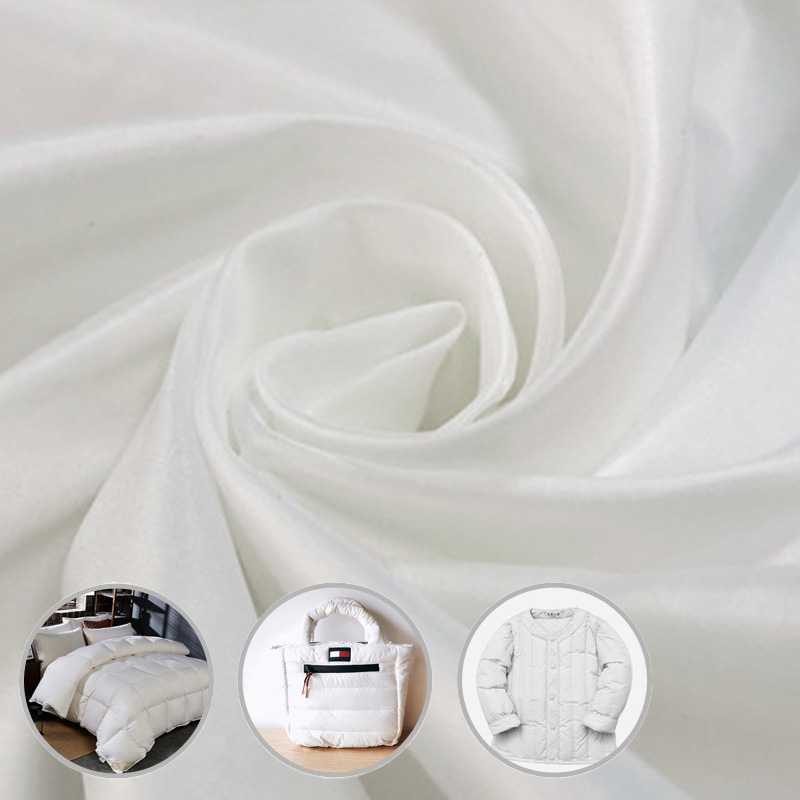
  • Bedding, throw pillows & decorative fabrics
  • Sofa fabrics & soft packaging

(III) Industrial & Special Applications

  • Garment interlinings & linings
  • Packaging & gift box linings
  • Insulation materials & industrial linings

FAQ

1.What are the core differences between diacetate and triacetate fabrics?

The core differences lie in:

  • Heat resistance
  • Wrinkle resistance
  • Application scenarios

Diacetate:

  • Heat resistance ≤ 80°C
  • Used for linings and mid-range women's wear

Triacetate:

  • Heat resistance ≤ 150°C
  • Excellent wrinkle resistance and drape
  • Used for high-end women's wear and evening dresses
  • Best substitute for silk

2.Differences in Application & Performance

Type Core Application Scenarios Performance & Adaptability Features
Diacetate 1. Garment linings (for suits, overcoats, outerwear)2. Mass/mid-range women's wear (shirts, skirts, basic tops)3. Garment interlinings & accessories4. Home textile linings & gift box linings 1. Cost-effective with controllable costs2. Delicate and smooth hand feel, with basic silk-like luster3. Average heat resistance (recommended washing temperature ≤80℃; avoid high-temperature ironing/setting)4. Good dimensional stability, lightweight and breathable
Triacetate 1. High-end women's wear (dresses, wide-leg pants, windbreakers, suit outer fabrics)2. Evening dresses, wedding gowns, formal wear & haute couture3. Main fabric for outerwear4. High-end home textiles (curtains, bedding, light luxury soft furnishings) 1. Wrinkle-resistant and easy-care, with excellent elastic recovery2. Withstands high-temperature setting (≤150℃), ensuring durable and crisp garment shape3. Excellent drapeability, with gentle and premium pearl luster, texture almost identical to silk4. High color fastness, washfast and lightfast; the best affordable substitute for high-grade silk

NASHE Production Capacity

The production capacity of our factory includes:

  • 50 million meters/year of woven fabric
  • 30 million meters/year of knitted fabric
  • Monthly export capacity of about 80 standard containers

For acetate fabric products, we mainly export to:

  • North America
  • Middle East
  • South Asia
  • Europe

With a total monthly export capacity of 50–60 containers.

Related News
Leave me a message
X
We use cookies to offer you a better browsing experience, analyze site traffic and personalize content. By using this site, you agree to our use of cookies. Privacy Policy
Reject Accept