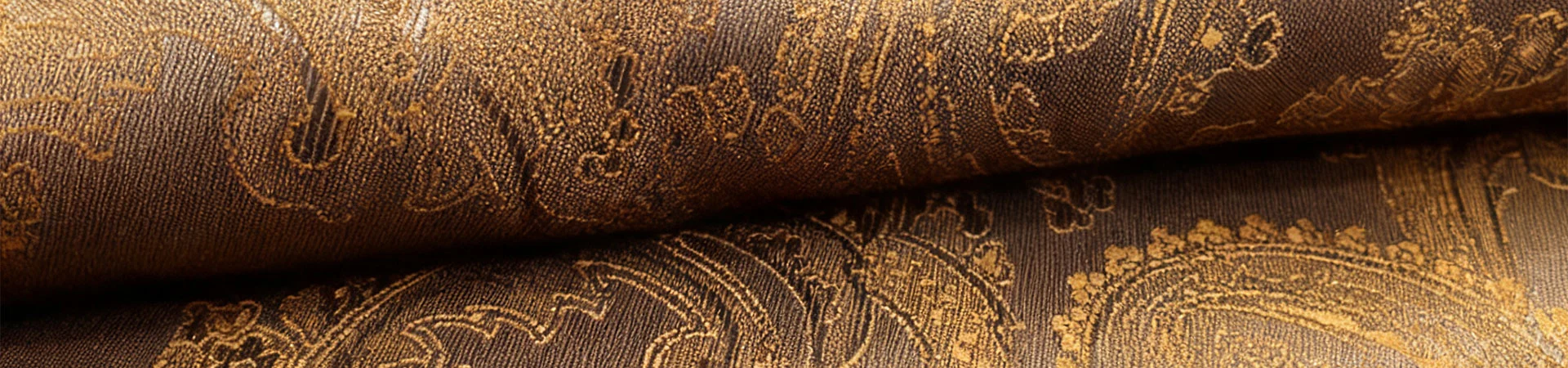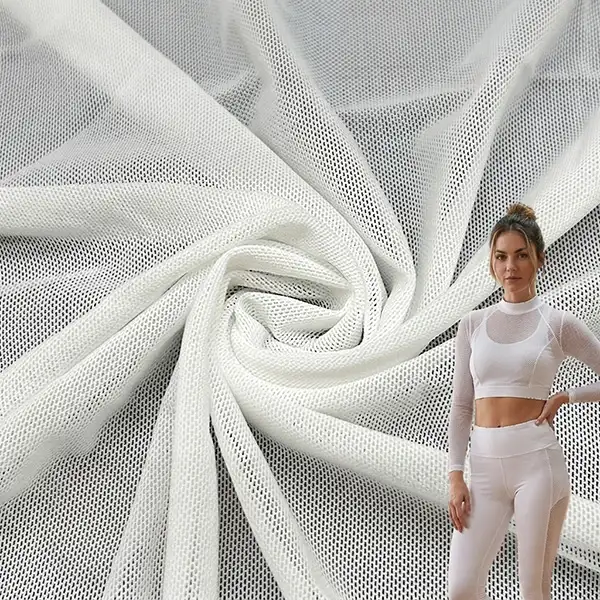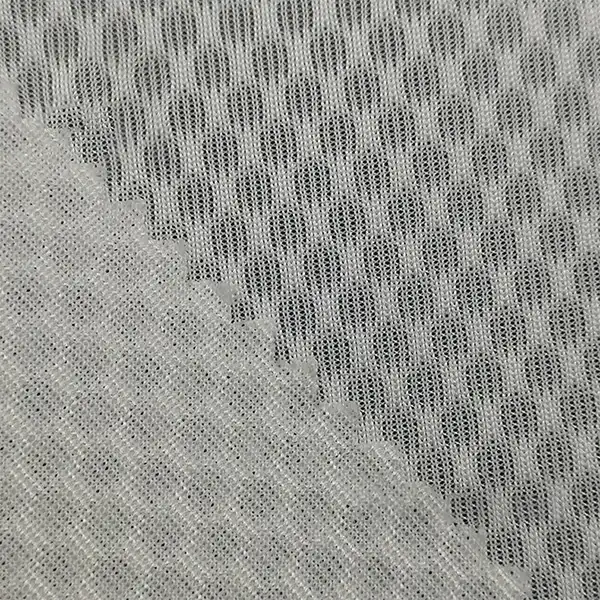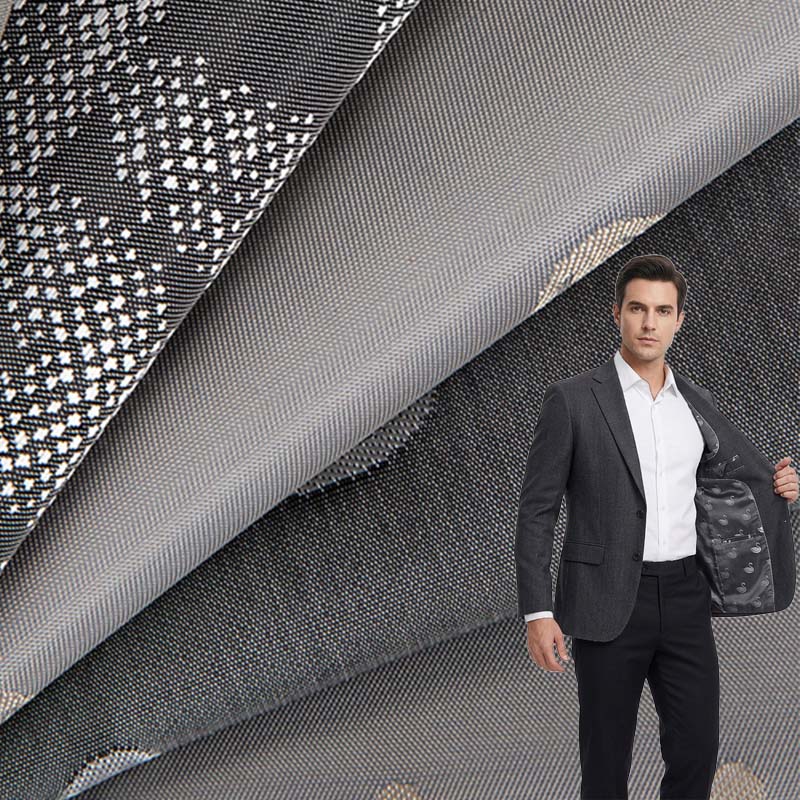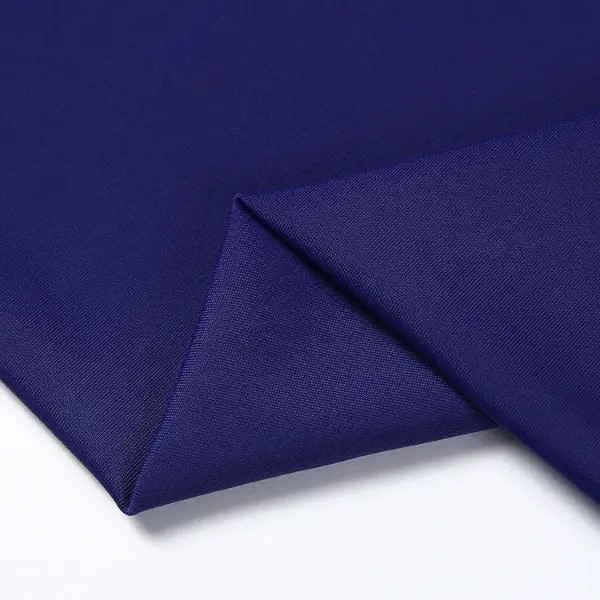
Polyester calendered lining fabric has become a quiet workhorse in modern textile manufacturing. Behind high‑performing jackets, premium luggage, reliable home textiles, and many functional products, you will often find this exact material.
Driven by the need for smoother surfaces, stronger performance, and better cost control, brands and factories are shifting from generic lining fabrics to engineered, calendered polyester solutions.
For buyers, designers, and wholesalers, understanding this fabric is no longer optional. It directly affects product quality, feel, durability, and profitability. Companies such as Ningbo Nashe Textile Co., Ltd. specialize in supplying polyester calendered lining fabrics that are optimized for mass production, consistent quality, and customized performance. If you’re developing a new program or upgrading an existing line, it’s the right time to contact our team and align your fabric choice with your product strategy.
Definition and structure
Polyester calendered lining fabric is a woven or sometimes knitted polyester textile that has been passed through heated rollers under controlled pressure. The base is usually 100% polyester—often taffeta, pongee, or similar constructions—engineered with a relatively fine denier (e.g., 190T, 210T, 300T) to achieve a dense, uniform surface.
Calendering process vs. standard polyester lining
Standard polyester lining is typically scoured and dyed but left “as woven,” with a more open, slightly fuzzy or textured surface.
Calendered lining undergoes an additional finishing step:
The result is a lining that not only looks and feels more refined, but also performs better in demanding end uses such as outerwear, padded garments, bags, and technical products.
Lining fabrics are no longer purely decorative. They are structural and functional components of the finished product.
Structural support
Enhanced appearance
Functional benefits
For brands seeking consistent quality and elevated perception, choosing the right lining is as strategic as choosing the outer shell.
The hallmark of calendered polyester is its smooth, compact surface.
For designers, this means sharper colors, better print clarity, and a more premium handfeel inside jackets, bags, or home products. Buyers and wholesalers benefit from fewer quality complaints around pilling, snagging, or rough touch compared with lower‑grade linings.
Calendering significantly improves barrier properties:
As a result, polyester calendered lining is an excellent choice for:
Polyester is already known for strength and abrasion resistance. Calendering enhances this in practical ways:
For factories and brands, this translates to longer‑lasting products, fewer warranty issues, and stronger perceived quality.
Despite its performance, polyester calendered lining remains lightweight and comfortable:
Polyester fibers also offer inherent moisture resistance:
This makes calendered polyester a flexible option across multiple climates and end uses.
The core of this fabric’s performance lies in the calendering step:
Preparation
Calendering
Optional finishing
The expertise of mills like Ningbo Nashe Textile Co., Ltd. lies in controlling these parameters to deliver consistent, bulk‑production‑ready fabric that meets brand specifications lot after lot.
Calendered polyester lining is highly compatible with standard finishing workflows:
This adaptability allows buyers and designers to align lining performance with brand positioning, from entry‑level basics to premium technical products.
For wholesalers and large buyers, production efficiency is critical. Polyester calendered lining supports this in several ways:
At scale, these details translate into measurable cost savings per garment or per meter.
Non‑calendered polyester lining:
Calendered polyester lining:
For outerwear and technical applications, the upgrade to calendered lining is often a small cost step that delivers a large improvement in perceived quality
Polyester calendered lining is widely used in garments and many bags, but designers often compare it with Nylon Oxford Fabric for Bags, especially in luggage and outdoor categories.
Many professional bag manufacturers will use Nylon Oxford Fabric for Bags as the main body material and polyester calendered lining as the inner lining, balancing structure and cost.
Below is a simplified comparison for quick reference:
| Feature | Polyester Calendered Lining | Standard Polyester Lining | Nylon Oxford Fabric |
| Surface Finish | Smooth & compact | Standard | Textured |
| Wind Resistance | High | Medium | Medium |
| Durability | High | Medium | High |
| Cost Efficiency | High | High | Medium |
| Typical Use | Jackets, padding | General lining | Bags, luggage |
For most apparel and many soft‑goods applications, polyester calendered lining offers the best ratio of performance to cost, especially when sourced from reliable mills with strong quality control.
Key uses:
Designers value the way calendered lining supports insulation, improves interior aesthetics, and reinforces the overall premium feel of garments.
In home textiles, polyester calendered lining can be used as:
The smooth, dense structure helps contain filling materials and maintain shape over time.
In bags and luggage, calendered polyester performs as:
When compared with Nylon Oxford Fabric for Bags:
Beyond consumer goods, this fabric is also used in:
Its compatibility with coatings and laminations makes it a versatile choice for multi‑layer industrial textiles.
Polyester, including calendered lining fabrics, is thermoplastic and can be mechanically recycled when collected and sorted properly. In many markets, mills now offer:
Using calendered rPET linings helps brands move towards circular economy targets without sacrificing performance.
Responsible manufacturers are optimizing processes to reduce environmental impact:
When sourcing from partners such as Ningbo Nashe Textile Co., Ltd., buyers can specify eco‑oriented requirements and request data supporting reduced impact production.
The market is rapidly moving toward:
Polyester calendered lining will remain a key material, but increasingly in recycled and responsibly produced versions.
Calendered polyester lining is an excellent base for creating multi‑layer composites:
The smooth, compact surface ensures uniform coating thickness and strong bond strength.
Designers often combine polyester calendered lining with other fibers:
This flexibility allows wholesalers and sourcing teams to build differentiated programs across price points and categories.
Polyester calendered lining is relatively easy to care for:
Proper storage helps maintain the fabric’s properties:
End users can maximize product life by:
| Care Aspect | Recommendation |
| Washing | Machine wash (low temperature) |
| Drying | Air dry preferred |
| Ironing | Low heat if necessary |
| Storage | Dry, cool environment |
| Handling | Avoid sharp abrasion |
For B2B buyers and wholesalers, clear care labeling and communication help reduce returns and enhance user satisfaction.
Polyester calendered lining fabric has become essential in modern textile applications because it delivers a rare combination of:
For brands, designers, and wholesalers looking to upgrade product performance without losing margins, this fabric is a strategic choice.
Specialized suppliers like Ningbo Nashe Textile Co., Ltd. offer a wide range of constructions finishes, and recycled options tailored to apparel, home textiles, luggage, and functional textiles. If you are planning new developments or want to standardize a better lining across your collections, contact our team for technical support, sampling, and bulk quotations.
The key difference is the calendering finish. Regular polyester lining is simply woven and dyed. Polyester calendered lining is additionally passed through heated, high‑pressure rollers that compact the surface. This creates a smoother, denser fabric with:
Yes. It is especially suitable for winter jackets, parkas, and padded coats because:
Many bag programs successfully use Nylon Oxford as body fabric and polyester calendered lining inside for a balanced solution.
Polyester is a synthetic, petrochemical‑based fiber, but:
Choosing recycled polyester calendered lining from certified suppliers is an effective way to improve the environmental profile of your products.
Yes. Polyester calendered lining is highly customizable:
If you need tailored specifications for apparel, luggage, or technical textiles, you can contact our team at Ningbo Nashe Textile Co., Ltd. to develop a solution aligned with your brand, performance, and cost requirements.