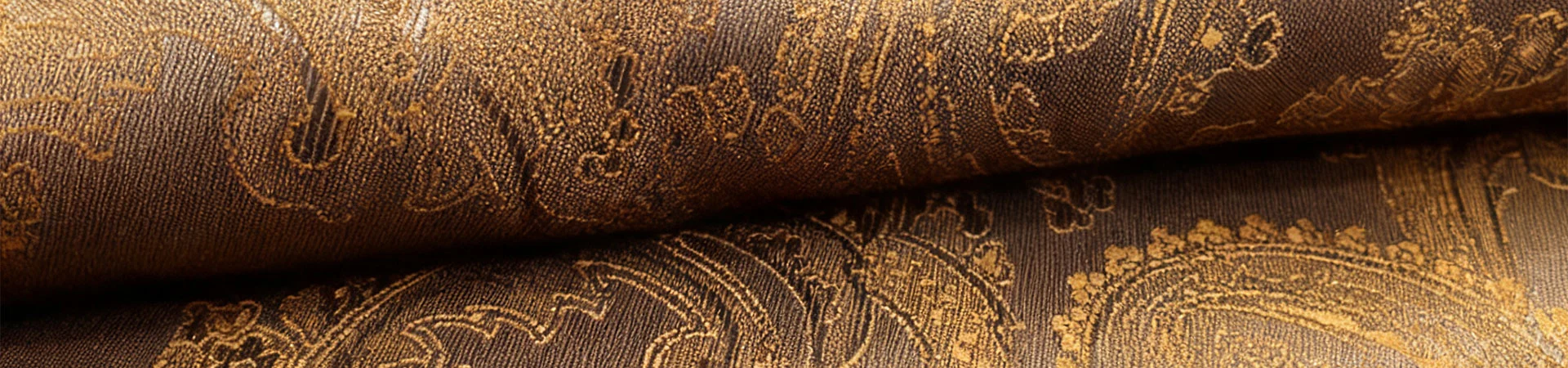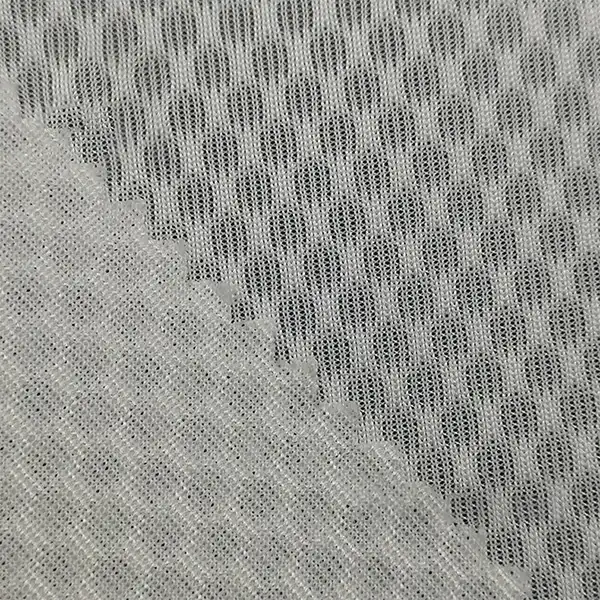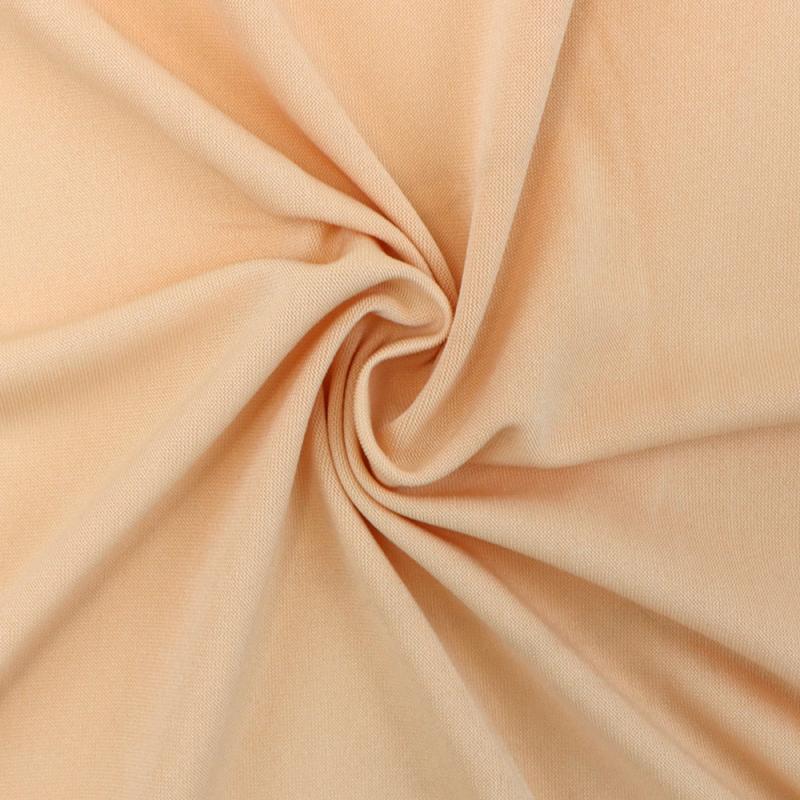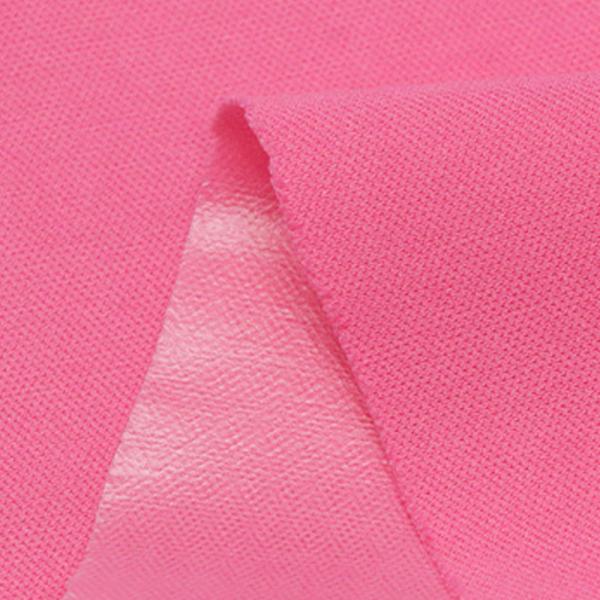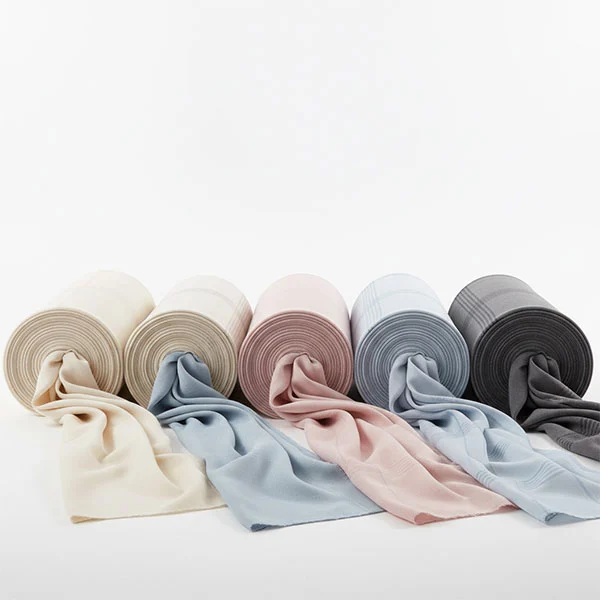
Lining fabrics serve as the interface between the body and the outer shell of a garment, functioning as a critical barrier that enhances both utility and aesthetics. While the outer fabric provides the visual statement, the lining offers the requisite opacity and structural support to prevent the garment from collapsing under its own weight. Furthermore, linings significantly augment the wearer's comfort by mitigating the abrasiveness of coarse exterior textiles like wool or tweed. Beyond mere comfort, they facilitate the ease of donning and doffing garments, reducing strain on the seams. A high-quality lining also acts as a buffer against perspiration and body oils, thereby extending the lifespan of the outer shell by preventing direct contamination.
The spectrum of lining materials is vast, ranging from synthetic polymers to natural fibers, each possessing unique hygroscopic and tensile properties. Polyester is ubiquitous due to its exceptional resilience and resistance to wrinkling, making it ideal for daily wear. Conversely, viscose and rayon, semi-synthetic cellulosic fibers, offer superior breathability and a silk-like drape but require more delicate handling. Acetate provides a luxurious sheen and crisp handfeel, often found in formalwear, while cotton linings offer hypoallergenic properties suitable for casual apparel. Silk remains the gold standard for luxury, providing unparalleled thermoregulation, though it demands rigorous maintenance. Blended linings attempt to synthesize the durability of synthetics with the comfort of natural fibers, creating versatile textiles for bags, home textiles, and apparel.
| Fabric Type | Key Characteristics | Typical Applications |
| Polyester | Hydrophobic, high tensile strength, anti-static finishes available. | Outerwear, backpacks, luggage. |
| Viscose / Rayon | Breathable, hydrophilic, excellent drape, prone to shrinkage. | Suit jackets, skirts, dresses. |
| Acetate | High luster, crisp hand, low abrasion resistance. | Evening gowns, formal coats. |
| Cotton | Soft, absorbent, durable, prone to friction. | Casual jackets, children's wear, totes. |
| Silk | Luxurious handfeel, thermal insulating, delicate. | High-end couture, ties, luxury bedding. |
The care label is the definitive shibboleth for fabric maintenance, and ignoring it is the primary cause of textile degradation. It is imperative to adhere strictly to these hieroglyphs of laundry logic. One must note that the care requirements for the lining may differ diametrically from those of the outer fabric. In instances where the shell is wool (dry clean only) and the lining is polyester (washable), the most restrictive instruction must always take precedence. Failure to align the cleaning method with the most delicate component of the garment will inevitably result in differential shrinkage, causing the lining to distort and pull at the seams of the outer fabric.
Hand washing is frequently the prudent choice for delicate linings such as acetate, silk, or lightweight viscose, where the mechanical agitation of a washing machine could cause snagging or fiber breakage. Submerging the garment in tepid water and agitating it gently allows for cleaning without structural stress. However, for robust synthetic linings like polyester or heavy cotton blends, machine washing is generally permissible. When utilizing a machine, one should employ a gentle cycle with cool water to preserve the dimensional stability of the fabric. It is advisable to place the item within a mesh laundry bag to mitigate abrasion against the drum or other garments.
The chemical composition of your detergent plays a critical role in preserving fiber integrity. Mild, pH-neutral detergents are essential for protein-based fibers like silk and cellulosic fibers like viscose to prevent weakening the molecular structure. One must assiduously avoid bleach and detergents containing optical brighteners or enzymes that might degrade delicate dyes or finishes. Harsh chemicals can strip the lining of its finish, transforming a smooth, anti-static surface into a rough, clinging annoyance.
| Lining Material | Recommended Method | Detergent Type |
| Polyester & Blends | Machine wash (Warm/Cool), Gentle Cycle. | Standard or Mild Detergent. |
| Viscose & Acetate | Hand wash preferred or Dry Clean. | pH-Neutral, Delicate Wash. |
| Silk | Professional Dry Clean or Hand wash (if permitted). | Specialized Silk Detergent. |
| Cotton | Machine wash (Warm). | Standard Detergent. |
The thermal stress of a tumble dryer is the nemesis of many lining fabrics. Air drying is unequivocally the superior method for extending the life of these textiles. Hanging garments or laying them flat allows for natural evaporation without subjecting the fibers to the desiccation and friction of high-heat tumbling. Tumble drying poses significant risks, particularly for acetate and viscose, which can suffer irreversible shrinkage or develop static cling that ruins the drape. If a dryer must be used for durable synthetics, a low-heat setting is obligatory to prevent the melting or fusing of fibers.
Wrinkles in the lining can telegraph through to the outer garment, necessitating careful pressing. However, direct contact with a hot iron can glaze or scorch delicate synthetics. It is crucial to adjust the iron’s temperature according to the specific fiber; for instance, synthetics require a cool iron, while cotton can withstand higher heat. The utilization of a pressing cloth—a simple piece of cotton muslin placed between the iron and the fabric—is a non-negotiable safeguard. This barrier prevents the dreaded "shine" caused by crushed fibers and protects against accidental burns. Steaming is often a safer alternative, relaxing fibers through moisture rather than compression.
Long-term preservation of lining fabrics is contingent upon maintaining an optimal environment. Garments should be stored in a cool, dry location with consistent temperature and humidity levels. Fluctuations in humidity can encourage the growth of mildew, particularly on natural fibers, while excessive heat can degrade elastic components and adhesives used in interfacing. Furthermore, one must shield textiles from direct sunlight; prolonged exposure to UV radiation causes photodegradation, leading to fading and the embrittlement of fibers.
Stagnant air is the enemy of stored textiles. To prevent the accumulation of musty odors and mold, garments should be encased in breathable garment covers made of cotton or canvas, rather than non-porous plastic which traps moisture. Periodic airing is beneficial; removing items from storage to breathe prevents yellowing, a phenomenon often caused by the oxidation of residual body oils or chemical finishes. Regular inspection allows for the early detection of pests like moths, which are notoriously attracted to wool shells but will readily damage adjacent linings.
A prevalent misconception is that cleanliness equates to frequent washing, yet overwashing is deleterious to lining longevity. Mechanical agitation and chemical exposure cumulatively weaken fibers, leading to thinning and tearing. Excessive heat, whether from washing water or drying cycles, accelerates this deterioration. It is often sufficient to spot-clean minor blemishes or air out a garment to refresh it, reserving full immersion cleaning for when it is strictly necessary.
Treating a garment as a monolithic entity rather than a composite of different materials is a recipe for disaster. Problems arise when the care regimen for the sturdy outer fabric is applied indiscriminately to a fragile lining. For example, washing a cotton jacket with a viscose lining at high temperatures will likely cause the lining to shrink drastically while the cotton remains stable, resulting in a puckered, unwearable mess. Ignoring this compatibility leads to structural distortions that are often impossible to rectify.
There are junctures where domestic cleaning methods are insufficient or risky. Situations involving structured garments like blazers, coats with complex interlinings, or items with delicate embellishments necessitate professional dry cleaning. Dry cleaners possess the solvents and equipment to clean without water, preventing the dimensional changes associated with wet washing. Furthermore, specialists can perform re-lining services if a lining has degraded beyond repair, salvaging a beloved garment.
For manufacturers and designers, the source of the fabric is as important as its care. Experienced manufacturers like Ningbo Nashe Textile Co., Ltd. do not merely sell yardage; they support buyers with technical fabric care advice rooted in material science. Understanding the specific limitations and strengths of a purchased textile is crucial for producing durable goods. We encourage our clients to contact our team for fabric-specific maintenance guidance to ensure that the end product retains its quality from the factory floor to the consumer's wardrobe.
Generally, linings are permanently attached to the garment and cannot be washed separately unless the garment is deconstructed. However, in cases of detachable linings (common in trench coats or parkas), separation is highly beneficial. It allows for the specific cleaning of the lining according to its unique fiber requirements without subjecting the outer shell to unnecessary processing.
Cleaning frequency is contingent upon usage and proximity to the skin. Items worn directly against the body may require more frequent cleaning to remove perspiration. However, outerwear linings typically require cleaning only once per season or when visibly soiled. Reducing cleaning frequency extends the aggregate lifespan of the textile.
Vertical steaming is superior to ironing for removing wrinkles from linings. It relaxes the fibers without the risk of crushing the nap or causing glazing. If ironing is requisite, always use the lowest effective temperature and employ a pressing cloth to protect the fabric surface.
To maximize longevity, adopt a proactive approach: wear undershirts to create a barrier against body oils, avoid hanging garments on wire hangers which distort shoulders, and address spills immediately. Storing garments in breathable bags and avoiding direct sunlight are also critical best practices.