News

Velvet Sofa Fabric: A Recommended Choice for Quality and Design?

2026-03-04 0 Leave me a message

Introduction

In today’s competitive furniture market, velvet sofa fabric has become a go-to option for brands that want to signal luxury without sacrificing performance. Its soft hand-feel, rich visual depth, and improved structural stability make it increasingly common in both residential and contract projects.

But beyond its aesthetic appeal, is velvet truly a recommended choice for quality and design in modern upholstery applications?

This article examines the construction, performance, design advantages, and sourcing considerations of velvet sofa fabric to help textile professionals, furniture brands, and buyers make informed, specification-level decisions.


Table of Contents

  1. Understanding Velvet Sofa Fabric
    1.1 What Is Velvet Sofa Fabric?
    1.2 Key Production Techniques
    1.3 Common Fiber Compositions

  2. Performance Characteristics of Velvet Sofa Fabric
    2.1 Abrasion Resistance and Durability
    2.2 Structural Stability and Shape Retention
    2.3 Color Depth and Visual Layering

  3. Design Advantages of Velvet Sofa Fabric
    3.1 Enhancing Spatial Aesthetics
    3.2 Versatility Across Interior Styles
    3.3 Texture and Tactile Experience

  4. Practical Applications in Different Environments
    4.1 Residential Living Rooms
    4.2 Hotels and Hospitality Spaces
    4.3 Commercial and Public Areas

  5. Comfort, Maintenance, and Long-Term Use
    5.1 Daily Maintenance Requirements
    5.2 Cleaning Methods Comparison
    5.3 Longevity and Cost Efficiency

  6. Supplier Selection and Quality Assurance
    6.1 Importance of Environmental Certifications
    6.2 Production Capacity and Consistency
    6.3 Working with Reliable Manufacturers

  7. Conclusion

  8. Frequently Asked Questions (FAQs)


1. Understanding Velvet Sofa Fabric

1.1 What Is Velvet Sofa Fabric?

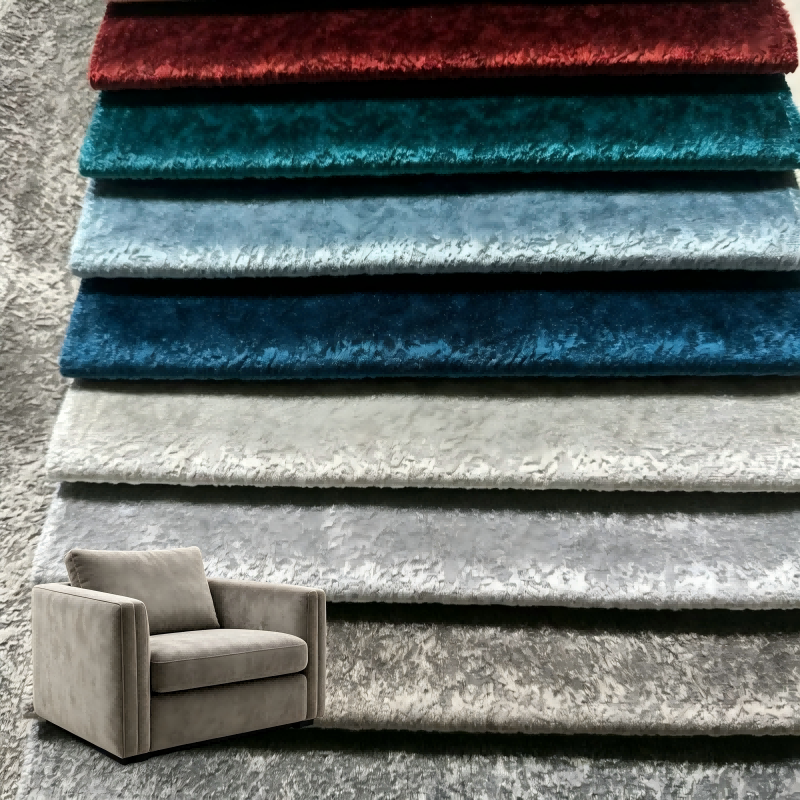
Velvet sofa fabric is a pile textile characterized by a dense, upright pile surface formed by short, evenly cut fibers. This pile construction gives velvet its signature:

  • Smooth, soft, almost “liquid” touch
  • Distinctive sheen and depth of color
  • Characteristic shading effects when the pile is brushed in different directions

In upholstery, modern velvet is engineered not only for luxury appearance but also for mechanical performance—resistance to abrasion, dimensional stability, and long-term shape retention under frequent use.

1.2 Key Production Techniques

Velvet can be produced through several specialized methods, each influencing hand-feel, durability, and cost:

  • Warp pile weaving
    Two sets of warp yarns are used—one for the ground, one for the pile. The pile yarns are raised and then cut, forming the characteristic soft surface. This is common for durable, high-performance upholstery velvets.

  • Double-cloth weaving with pile cutting
    Two fabrics are woven face-to-face with shared pile yarns connecting them. The pile yarns are then cut between the two layers, creating two pieces of velvet simultaneously. This method is efficient for volume production and consistent quality.

  • Knitted velvet (velour) for stretch applications
    Knitted constructions produce a plush surface with more flexibility and stretch, suitable for certain shapes or slipcovers, though usually with lower structural rigidity than woven velvets.

After weaving or knitting, finishing processes are critical. These may include:

  • Shearing and pile leveling for a uniform surface
  • Back-coating for dimensional stability and improved seam strength
  • Chemical and mechanical finishing to enhance:
    • Abrasion resistance
    • Color fastness (to light, rubbing, washing)
    • Anti-pilling performance
    • Stain repellence or easy-clean properties

These advances are what make contemporary velvet significantly more suitable for high-traffic residential and hospitality environments than earlier generations.

1.3 Common Fiber Compositions

Velvet sofa fabrics can be produced from a range of fibers, each with its own performance profile and price level. Common options include:

  • Polyester velvet
    • Excellent abrasion resistance
    • Good color fastness and stain resistance
    • Cost-effective and widely used in mid-range to contract-grade upholstery
  • Polyester–viscose blends
    • Polyester contributes durability and stability
    • Viscose adds luster, drape, and a more “silky” look
    • Often used when a more luxurious visual effect is required at reasonable cost
  • Cotton velvet
    • Natural, breathable, with a matte and sophisticated appearance
    • Softer, more organic feel but generally lower stain resistance
    • May require more careful maintenance and protective finishes
  • Performance velvet (functional finishes)
    • Typically polyester or blends treated with advanced stain-resistant, water-repellent, or easy-clean finishes
    • Targeted at family homes, hospitality, and high-traffic commercial use
  • Specialty fibers (e.g., recycled polyester, solution-dyed yarns)
    • Support sustainability and colorfastness goals
    • Increasingly requested in eco-conscious and contract specifications
Fiber Type Durability (Abrasion Resistance) Appearance Maintenance Level Cost Level Recommended Use
Polyester velvet High Rich color, uniform surface Low (easy to clean, stain resistant) Low–Medium Contract furniture, mid-range sofas, commercial seating
Polyester–viscose blends Medium–High Lustrous, silky, better drape Medium Medium Residential sofas, boutique furniture, decorative upholstery
Cotton velvet Medium Matte, natural, sophisticated High (needs careful care, lower stain resistance) Medium–High Premium residential furniture, low-traffic areas
Performance velvet (functional finishes) High–Very High Similar to polyester velvet with added functionality Very Low (easy-clean, water & stain repellent) Medium–High Family homes, hospitality, high-traffic commercial projects
Specialty fibers (recycled polyester, solution-dyed yarns) High Stable color, consistent texture Low Medium–High Eco-conscious brands, contract & public space projects

For professional buyers, choosing the right fiber composition depends on the specific project: design intent, expected traffic load, maintenance expectations, and budget.


2. Performance Characteristics of Velvet Sofa Fabric

2.1 Abrasion Resistance and Durability

For upholstery, abrasion resistance is a non-negotiable baseline. High-quality velvet must perform favorably in standardized tests such as Martindale or Wyzenbeek.

  • Residential-grade velvet typically targets 25,000–30,000 rubs (Martindale) or the equivalent Wyzenbeek rating.
  • Commercial or hospitality-grade velvet often starts at 30,000+ rubs, with 50,000+ rubs common for more demanding projects.

When specifying velvet, professionals should always review:

  • Test method (Martindale vs. Wyzenbeek)
  • Test results and classification (residential/light commercial/contract)
  • Any additional testing for pilling, seam slippage, and tearing strength

Properly constructed velvets easily compete with—and often exceed—other woven upholstery fabrics in durability when selected from reputable manufacturers.

2.2 Structural Stability and Shape Retention

Velvet’s pile makes its surface look and feel soft, but the backing construction is what determines long-term performance on furniture frames:

  • Strong woven base with appropriate yarn density
  • Stable backing or laminated coating to add rigidity
  • Adequate seam strength and tear resistance for upholstery work

These elements help prevent:

  • Stretching and bagging in seat areas
  • Distortion around corners and edges
  • Visible sagging over time

For large sofas, modular systems, and hospitality seating, dimensional stability is especially important to maintain a crisp, tailored look through years of use.

2.3 Color Depth and Visual Layering

One of velvet’s most distinctive features is its dynamic color and visual layering:

  • Light interacts with the pile at different angles, creating soft highlights and shadows.
  • Brushing the pile in one direction can deepen color; in the opposite direction, it can produce a lighter tone.

This creates:

  • A sense of depth that flat woven fabrics rarely achieve
  • Subtle tonal shifts that enrich the overall interior composition
  • A visually “premium” signal, even when used in relatively simple silhouettes

For designers, this visual layering is a powerful tool to elevate otherwise minimal furniture forms.


3. Design Advantages of Velvet Sofa Fabric

3.1 Enhancing Spatial Aesthetics

Velvet has a unique ability to amplify the perceived value of a space. Even in restrained color palettes, it adds:

  • Richness and warmth through its pile construction
  • A premium, boutique-like feel often associated with high-end hotels, designer showrooms, and curated residential interiors

A simple sofa design, when executed in high-quality velvet, can immediately read as more intentional and upscale.

3.2 Versatility Across Interior Styles

Despite its association with classic luxury, velvet is highly adaptable. It works effectively in:

  • Modern minimalist interiors
    • Solid-color velvet on clean, linear frames adds a focal point without visual noise.
  • Classic and traditional settings
    • Deep jewel tones and tufted detailing reinforce a more formal, heritage aesthetic.
  • Art Deco-inspired and boutique designs
    • Rich colors, curved silhouettes, and metallic accents pair naturally with velvet.
  • Hospitality lounges and lobbies
    • Velvet communicates comfort and exclusivity, aligning with premium brand positioning.

With broad color ranges—from muted neutrals to saturated jewel tones—velvet can function as either a statement piece or a quietly luxurious backdrop.

3.3 Texture and Tactile Experience

In real-world purchasing behavior, touch is a decisive factor. Velvet offers:

  • A soft, smooth surface that feels immediately inviting
  • A tactile “memory” when the pile is brushed, adding an interactive quality

This sensory experience reinforces:

  • Perceived quality and comfort
  • Emotional connection between user and product
  • Justification for higher price points in mid-to-high-end collections

For brands, the tactile value of velvet often translates into stronger showroom impact and improved conversion rates.


4. Practical Applications in Different Environments

4.1 Residential Living Rooms

In home environments, velvet is widely used for:

  • Main sofas and sectionals
  • Accent chairs and occasional seating
  • Decorative ottomans and benches

Key advantages:

  • Comfort and warmth in daily use
  • Visual depth that elevates living spaces with minimal additional styling
  • Good resistance to moderate family use when an appropriate grade and finish are selected

For households with children or pets, it is recommended to:

  • Choose higher abrasion ratings (e.g., 30,000+ rubs)
  • Specify stain-resistant or easy-clean finishes
  • Prefer darker or mid-tone colors that better conceal minor marks and shading

4.2 Hotels and Hospitality Spaces

In hospitality design, velvet is frequently specified for:

  • Lobby seating and lounge sofas
  • Cocktail bar seating and upholstered wall panels
  • Statement armchairs in suites and executive areas

Reasons for its popularity in this segment include:

  • Strong visual impact aligned with luxury positioning
  • Ability to create zones of perceived privacy and comfort
  • Compatibility with ambient lighting, which enhances velvet’s sheen and depth

Here, performance velvet with robust testing data and appropriate fire-retardant treatments is essential.

4.3 Commercial and Public Areas

In commercial environments—such as office reception areas, upscale retail, or VIP waiting lounges—velvet can be used strategically:

  • On key feature pieces rather than all seating
  • In zones where higher touch and perceived exclusivity are desirable

For these spaces, designers and buyers must pay particular attention to:

  • Durability ratings and pilling resistance
  • Fire-retardant compliance based on regional regulations (e.g., BS, EN, CAL standards)
  • Color and maintenance strategy to manage appearance over heavy use

When these requirements are addressed, velvet can be both visually distinctive and operationally viable.


5. Comfort, Maintenance, and Long-Term Use

5.1 Daily Maintenance Requirements

Although velvet is luxurious, its daily care can be straightforward if guidelines are followed:

  • Regular vacuuming with a soft brush attachment to remove dust and prevent soil from embedding in the pile
  • Immediate attention to spills, gently blotting (not rubbing) with a clean, dry, absorbent cloth
  • Avoiding prolonged direct sunlight, which can cause color fading over time—especially for deep and saturated colors

Establishing simple care instructions for end users helps maintain the fabric’s appearance and extend product life.

5.2 Cleaning Methods Comparison

Professional cleaning recommendations depend on the specific fiber composition and finish, but broadly:

  • Water-cleanable performance velvets (often polyester-based)

    • Many allow spot cleaning with mild soap and water, following manufacturer guidelines.
    • Suitable for family homes and light hospitality environments.
  • Solvent-cleanable velvets (often viscose or blends)

    • May require dry-cleaning solvents to prevent watermarking or pile distortion.
    • Best for controlled environments or higher-end residential use where professional cleaning is accessible.
  • Steam and pile restoration

    • Light steaming (if approved by the manufacturer) can help lift the pile and reduce flattening.
    • A soft brush may be used carefully to realign the pile direction after cleaning.
Fabric Type Cleaning Code Recommended Cleaning Method Maintenance Level Risk of Watermarking / Pile Distortion Recommended Environment
Water-cleanable performance velvet (polyester-based) W / WS Spot clean with mild soap and water; air dry following manufacturer guidelines Low Low (when cleaned properly) Family homes, light hospitality, medium-traffic areas
Solvent-cleanable velvet (viscose or blends) S Professional dry-cleaning solvents only High Medium–High if water is used incorrectly High-end residential, controlled indoor environments
Blended velvet with dual finish WS Water-based or solvent-based cleaning depending on stain type Medium Medium Residential sofas, boutique furniture, mixed-use spaces
Steam & pile restoration (approved velvets) — (supporting care method) Light steam + soft brush to realign pile direction Medium Medium–High if heat/moisture is excessive Periodic maintenance for residential & commercial upholstery
High-performance treated velvet (easy-clean finishes) W / WS Water cleaning with approved cleaners; minimal chemical use Very Low Very Low Hospitality, contract furniture, high-traffic commercial projects

For professional buyers, aligning the cleaning code (e.g., W, S, WS) with the end user’s expectations and environment is an important part of fabric selection.

5.3 Longevity and Cost Efficiency

Velvet often sits at a higher price point than basic flat-woven fabrics. However, its lifecycle value can be compelling:

  • Enhanced durability when using high-performance constructions
  • Stronger perceived value and higher potential retail margin
  • Longer relevance in mid-to-high-end collections due to its timeless association with quality

For brands targeting premium segments, velvet helps support:

  • Upgraded positioning of core sofa collections
  • Differentiation from price-driven competitors
  • Better alignment with aspirational interior imagery and marketing narratives

When evaluated over the full lifespan of the furniture piece, well-specified velvet can offer attractive cost efficiency relative to its impact.


6. Supplier Selection and Quality Assurance

6.1 Importance of Environmental Certifications

Sustainability and regulatory compliance are now central to procurement decisions. Choosing velvet suppliers with recognized environmental and quality certifications helps ensure:

  • Compliance with international standards and regulations
  • Reduced environmental footprint across production
  • Safer materials for end users, particularly in residential and hospitality contexts

Relevant certifications and systems may include:

  • OEKO-TEX® (e.g., STANDARD 100) for harmful substance testing
  • ISO 9001 for quality management systems
  • ISO 14001 for environmental management systems

These signals are increasingly requested by global furniture brands, retailers, and project specifiers.

6.2 Production Capacity and Consistency

For furniture manufacturers and brand owners, stable supply is just as important as fabric performance. Key considerations include:

  • Consistent dye lots to avoid visible color discrepancies across multiple orders or components
  • Reliable lead times to support production planning and project deadlines
  • Scalable capacity to handle volume orders, roll-outs, and repeat programs

Working with suppliers who combine technical know-how with robust operations minimizes risk across the product lifecycle.

6.3 Working with Reliable Manufacturers

Partnering with experienced textile manufacturers—such as Ningbo Nashe Textile Co., Ltd.—can significantly reduce uncertainty in product development and sourcing. Established suppliers typically provide:

  • Comprehensive technical data on abrasion, color fastness, flammability, and pilling
  • Sample development and color matching to align with brand palettes or project requirements
  • Application-specific consultation, recommending appropriate constructions and finishes for residential, hospitality, or commercial use

For detailed specifications or customized solutions, engaging early with a professional manufacturer’s team enables better alignment between design intent, performance targets, and cost.


Conclusion

Velvet sofa fabric successfully combines luxury aesthetics with practical performance, making it a strong candidate for modern upholstery projects across residential, hospitality, and selected commercial environments.

Advances in fiber technology, weaving, and finishing have transformed velvet from a delicate, decorative textile into a versatile, durable material with:

  • High abrasion resistance and structural stability
  • Exceptional color depth and visual layering
  • A tactile experience that strongly supports premium positioning

When sourced from qualified manufacturers with robust environmental certifications and reliable production capacity, velvet becomes more than a visual choice—it becomes a strategic material decision for textile professionals and brand owners.

Ultimately, the key to maximizing value lies in matching the right velvet construction and fiber composition to the specific use case, and in selecting suppliers that can deliver consistent quality, documentation, and technical support.


Frequently Asked Questions (FAQs)

1. Is velvet sofa fabric suitable for high-traffic environments?
Yes—provided that you select a construction with high abrasion resistance. For high-traffic residential or light commercial use, look for at least 30,000+ rub cycles (Martindale or equivalent) and confirm that the fabric is categorized as suitable for contract or heavy domestic use. Commercial-grade velvets are specifically engineered for these conditions.

2. Does velvet sofa fabric require special maintenance?
Velvet benefits from consistent but simple care:

  • Regular vacuuming with a soft brush attachment
  • Prompt blotting of spills to avoid staining
  • Periodic professional cleaning, particularly in hospitality or high-use environments

Always follow the cleaning code and care instructions provided by the manufacturer, especially for viscose or blended velvets.

3. Is velvet environmentally friendly?
The environmental profile of velvet depends on its fiber composition and manufacturing practices. Choosing suppliers that hold certifications such as OEKO-TEX® and operate under recognized environmental management systems improves eco-compliance and transparency. Recycled fibers and solution-dyed yarns can further enhance sustainability.

4. How does velvet compare to other upholstery fabrics?
Compared to many flat-woven upholstery fabrics, velvet offers:

  • Superior visual richness and depth
  • A more luxurious tactile experience
  • Stronger perceived value in mid-to-high-end interiors

However, it can require more thoughtful maintenance and may come at a higher initial cost. The decision should be based on project priorities: performance, aesthetics, maintenance capabilities, and budget.

5. How can I ensure consistent velvet fabric quality?
To secure reliable quality, it is recommended to:

  • Work with established manufacturers who provide full test reports and certifications
  • Confirm abrasion, color fastness, pilling, and flammability data for each article
  • Evaluate production capacity, lead times, and dye-lot consistency

For tailored guidance, technical consultation, or sample development, you can contact our team to discuss your specific application, performance targets, and branding requirements.

Related News
Leave me a message
X
We use cookies to offer you a better browsing experience, analyze site traffic and personalize content. By using this site, you agree to our use of cookies. Privacy Policy
Reject Accept