News

Cycling Stretch Fabrics: A Practical Guide to Choosing the Right "Second Skin"—From Beginner to Pro

2026-07-20 0 Leave me a message

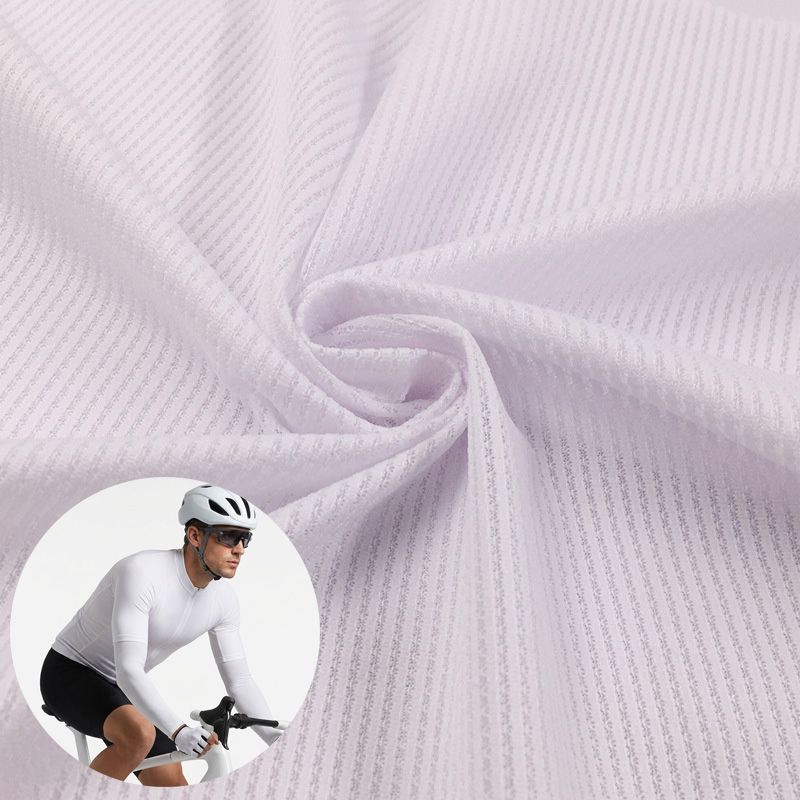
If you've ever ridden a long distance in a cotton t-shirt, you know the misery all too well: soaked in sweat, chafing against your skin, and freezing the moment the wind picks up. Modern cycling apparel avoids all that—and the secret lies in the fabric. At the heart of every high-performance cycling garment is stretch fabric.

This guide breaks down everything you need to know about cycling stretch fabrics, whether you're buying your next kit or working in the industry.


What "Stretch" Really Means—It's Not Just Elastic

The stretch in cycling wear comes primarily from elastane (also known as spandex or Lycra®). This synthetic fiber can stretch to several times its original length and snap back instantly. But a good cycling jersey is never 100% elastane—that would be expensive, unsupportive, and fragile.

The real technology lies in blending. Elastane provides the stretch and recovery, while the "skeleton" fibers determine the fabric's personality:

Blend Common Use Why
Polyester + Elastane Jerseys (uppers) Polyester wicks sweat and dries fast; elastane adds mobility. Lightweight and ideal for dye-sublimation printing (hence the colorful designs).
Nylon (Polyamide) + Elastane Bib shorts, skinsuits Nylon is more abrasion-resistant, softer to the touch, and less prone to becoming translucent when stretched. Perfect for high-friction areas like the saddle interface.

cycling stretch fabrics


Key Parameters You Should Understand

2‑Way Stretch vs. 4‑Way Stretch

  • 2‑way stretch only stretches in one direction (horizontal or vertical).

  • 4‑way stretch stretches both horizontally and vertically.

For cycling—where your legs move vigorously up and down and your torso twists—4‑way stretch is the gold standard. It ensures zero restriction in any movement.

Elastane Content (%)

Higher isn't always better. Different zones require different ratios:

Garment Type Typical Elastane % Rationale
Bib shorts 15–25% Provides compression, muscle support, and shape retention—so the shorts don't sag after hours in the saddle.
Race‑fit jerseys 5–12% Prioritizes lightweight breathability and aerodynamic fit while allowing just enough give.
Thermal jerseys 10–15% Ensures freedom of movement even with thicker, insulating fabrics.

 Choosing the Right Fabric for Your Riding Style

Riding Scenario Recommended Fabric Blend Key Characteristics
Hot summer / Climbing High polyester + low elastane (e.g., 88% Polyester / 12% Elastane) Ultra‑lightweight, max breathability, rapid moisture evaporation—cools you down instantly when the wind hits.
Road racing / Criteriums Balanced polyester/nylon + elastane (e.g., 80% Nylon / 20% Elastane) Firm compression reduces muscle vibration, offers aerodynamic benefits, and maintains excellent recovery.
Autumn / Winter / Long‑distance Nylon + elastane with brushed fleece inner layer Traps body heat for warmth while the outer nylon resists wind and abrasion. The stretch keeps it snug without restricting layering.
Gravel / Mountain biking High‑nylon + elastane with reinforced panels in high‑wear areas (hips, seat) Extreme durability against branches and saddle friction. Pockets stay supportive even when loaded with tools and snacks.


Care Guide: How to Extend the Life of Your Stretch Fabrics

Elastane's worst enemies are heat and fabric softener. Follow these rules to make your expensive kit last for years:

  1. Wash in cold water (around 30°C / 86°F) – Hot water breaks down elastane fibers and ruins elasticity.

  2. Never use fabric softener – It clogs the fabric's pores, destroys moisture‑wicking performance, and accelerates fiber degradation.

  3. Turn garments inside‑out – This reduces surface abrasion and prevents pilling.

  4. Air‑dry in the shade – Never use a tumble dryer or expose to direct sunlight. Heat is the #1 killer of stretch fibers.

  5. Wash immediately after rides – Sweat salts and oils corrode both the fabric and the chamois pad over time. Don't leave them sitting in the laundry basket.


Next time you shop for cycling kit, ignore the hype and read the care label. The fiber composition and knit structure tell you far more about a garment's true value than any brand logo ever will.

Understanding your "second skin" means you can focus on what really matters—enjoying every pedal stroke with freedom, comfort, and confidence

Related News
Leave me a message
X
We use cookies to offer you a better browsing experience, analyze site traffic and personalize content. By using this site, you agree to our use of cookies.Privacy Policy