News

How to Choose the Right Cotton Twill Shirt Fabric for Garment Manufacturing

2026-07-17 0 Leave me a message

Introduction

Selecting the appropriate Cotton Twill Shirt Fabric directly influences garment quality, production efficiency, customer satisfaction, and brand positioning in today’s competitive apparel market. As demand grows for durable, comfortable, and versatile shirt fabrics, cotton twill has emerged as a preferred choice for manufacturers seeking materials that balance strength with refined aesthetics. This woven fabric combines the natural benefits of cotton with a distinctive diagonal structure that enhances performance across business, casual, workwear, and premium categories. Professional buyers, apparel manufacturers, shirt brands, fabric sourcing companies, garment production managers, and fashion product developers must carefully evaluate fabric structure, composition, performance characteristics, and supplier reliability before committing to bulk orders. Established manufacturers such as Ningbo Nashe Textile Co., Ltd provide specialized support for professional fabric sourcing, helping clients develop tailored solutions that meet exact production and market requirements.

Table of Contents

  1. Understanding Cotton Twill Shirt Fabric Fundamentals
  2. Key Characteristics of High-Quality Cotton Twill Shirt Fabric
  3. How to Choose Cotton Twill Shirt Fabric Based on Fiber Composition
  4. Selecting Fabric Parameters for Shirt Manufacturing
  5. Advanced Selection Factors for Cotton Twill Shirt Fabric
  6. Dyeing and Finishing Technologies for Cotton Twill Shirt Fabric
  7. Manufacturing Performance Considerations
  8. How to Select a Reliable Cotton Twill Shirt Fabric Supplier
  9. Future Trends of Cotton Twill Shirt Fabric Frequently Asked Questions (FAQs) Conclusion


Key Takeaways

Cotton twill fabric stands out for its superior durability, softness, and elegant drape compared to many plain weave alternatives, making it ideal for shirts that endure repeated wear while maintaining a polished look. Fabric weight, yarn count, density, fiber composition, and finishing processes are the primary determinants of shirt performance. Options ranging from 100% cotton to cotton blends and sustainable fibers address diverse market segments. Rigorous testing for shrinkage, color fastness, and strength remains essential before scaling to bulk garment production. Aligning fabric selection with the intended end-use application consistently elevates product quality and strengthens market competitiveness.

1.Understanding Cotton Twill Shirt Fabric Fundamentals

1.1 What Is Cotton Twill Shirt Fabric?

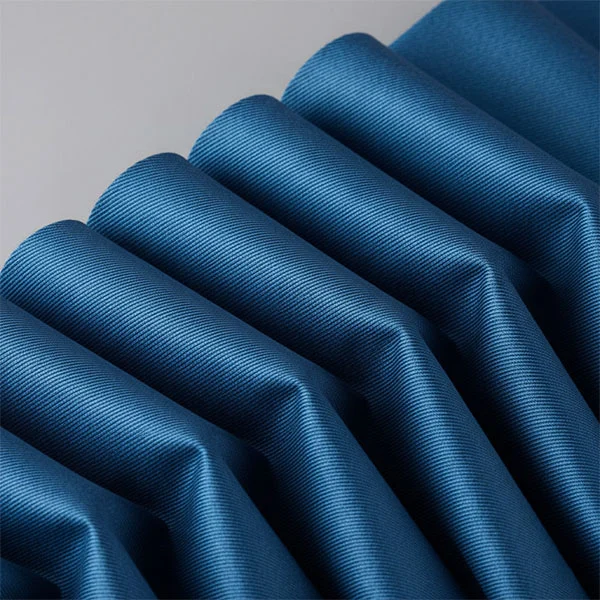
Cotton twill shirt fabric is a durable, woven textile constructed using a diagonal twill weave pattern, where the weft yarns pass over multiple warp yarns in a consistent offset. This creates the characteristic diagonal ribbing that distinguishes twill from plain weaves. In twill construction, the interaction between warp and weft yarns produces a fabric that is inherently stronger and more flexible than simpler weaves, while the use of cotton fibers delivers natural breathability and comfort. These properties make cotton twill an excellent shirt manufacturing material, offering both structural integrity for tailored silhouettes and enough give for comfortable movement.

1.2 Why Cotton Twill Shirt Fabric Is Popular in Garment Manufacturing

The popularity of cotton twill shirt fabric stems from its exceptional durability, comfortable hand feel, and professional appearance that transitions seamlessly across garment categories. It resists abrasion better than many lighter fabrics, making it suitable for business shirts that require crisp structure, casual shirts that prioritize everyday comfort, workwear shirts demanding toughness, and premium apparel seeking refined texture. Designers and manufacturers appreciate its versatility, which supports everything from formal office attire to rugged outdoor styles without compromising on wearability or visual appeal.

2. Key Characteristics of High-Quality Cotton Twill Shirt Fabric

High-quality cotton twill shirt fabric excels in durability and wear resistance thanks to its diagonal weaving structure, which distributes stress evenly and enhances overall fabric strength. This makes it particularly well-suited for daily wear and commercial apparel where garments face frequent use and laundering. At the same time, the fabric maintains excellent softness, comfort, and breathability derived from cotton’s natural moisture absorption and skin-friendly properties, ensuring wearers stay comfortable across varying climates.

The fabric’s smooth surface and premium visual appeal contribute to superior drape, allowing shirts to achieve flattering silhouettes that hang naturally. Fabric weight (GSM), yarn count, density, fiber composition, and finishing treatments each play critical roles: higher GSM provides more substantial feel for structured garments, elevated yarn counts yield softer and finer surfaces, greater density improves longevity, and thoughtful fiber blends or finishes enhance specific performance attributes.

Fabric Feature Impacts Summary

  • GSM largely determines thickness and weight, directly affecting suitability for different seasons and garment types.
  • Yarn Count influences softness, smoothness, and overall appearance.
  • Fabric Density governs durability and structural stability.
  • Fiber Composition controls comfort, performance, and care requirements.
  • Finishing Treatments significantly improve functionality such as wrinkle resistance or softness.

Table 1: Cotton Twill Shirt Fabric Characteristics Comparison

Fabric Feature Impact on Garments Importance
GSM Determines thickness and weight High
Yarn Count Influences softness and appearance High
Fabric Density Affects durability and structure High
Fiber Composition Controls comfort and performance High
Finishing Treatment Improves fabric functions Medium-High

3. How to Choose Cotton Twill Shirt Fabric Based on Fiber Composition

100% Cotton Twill Shirt Fabric delivers unmatched natural comfort, superior moisture absorption, and breathability, positioning it as a premium choice for luxury shirts and high-end everyday wear. Brands targeting discerning customers often favor this composition for its authentic feel and environmental appeal when sourced responsibly.

Cotton Polyester Blend Twill Fabric introduces improved wrinkle resistance, better dimensional stability, and easier maintenance, which proves advantageous for large-scale production and garments requiring frequent washing. These blends maintain much of cotton’s comfort while offering production efficiencies and longer-lasting shape retention.

Sustainable Cotton Twill Fabric Options, including organic cotton and recycled cotton produced through eco-friendly methods, respond to rising consumer demand for environmentally conscious apparel. These variants allow brands to meet sustainability goals without sacrificing the performance characteristics that make twill popular.

4. Selecting Fabric Parameters for Shirt Manufacturing

Fabric weight measured in GSM should align with intended use: lightweight options suit summer shirts, medium weights work well for versatile daily wear, and heavier constructions provide the robustness needed for workwear. Yarn count significantly affects quality—higher counts create finer, smoother surfaces ideal for premium shirt applications, while medium counts balance cost and performance for commercial lines.

Fabric density, width, and dimensional stability directly impact production efficiency, cutting accuracy, and final garment fit. Proper selection minimizes shrinkage issues and ensures consistent results across production runs.

Application-Based Selection Guidance Business shirts typically benefit from fine yarn count and smooth finishes for a professional appearance. Casual shirts perform best with soft cotton twill that emphasizes natural comfort. Workwear shirts require strong, durable twill constructions focused on abrasion resistance. Outdoor shirts gain from functional finishes that enhance performance and durability.

Table 2: Cotton Twill Shirt Fabric Selection by Application

Shirt Type Recommended Fabric Features Main Requirements
Business Shirt Fine yarn count, smooth finish Professional appearance
Casual Shirt Soft cotton twill, comfortable feel Natural style
Workwear Shirt Strong, durable twill construction Abrasion resistance
Outdoor Shirt Functional finishes Performance and durability

5. Advanced Selection Factors for Cotton Twill Shirt Fabric

Twill angle variations influence fabric appearance and visual texture, allowing designers to achieve different levels of premium character. Steeper angles often produce more pronounced diagonals, while subtler angles create smoother surfaces. Yarn twist levels affect strength, surface smoothness, and overall durability, with carefully engineered yarns delivering the optimal balance for shirt applications. High-count cotton twill fabrics cater to luxury shirts with refined hand feel, whereas medium-weight options serve commercial and workwear needs effectively.

6. Dyeing and Finishing Technologies for Cotton Twill Shirt Fabric

Consistent color quality and strong color fastness are non-negotiable for maintaining brand standards across production batches. Pre-shrinking and dimensional stability treatments reduce shrinkage risks, improve garment fitting, and streamline manufacturing. Functional finishing options such as softening treatments, wrinkle-resistant applications, anti-pilling finishes, and easy-care technologies further enhance the fabric’s practical performance and consumer appeal.

7. Manufacturing Performance Considerations

Successful integration of cotton twill shirt fabric in production depends on excellent cutting and sewing performance, including stable fabric handling and reliable seam integrity that supports high-speed operations. Comprehensive quality testing before bulk production—covering shrinkage, tensile strength, abrasion resistance, color fastness, and dimensional stability—helps manufacturers identify and resolve potential issues early, reducing waste and ensuring consistent garment quality.

8. How to Select a Reliable Cotton Twill Shirt Fabric Supplier

Evaluating supplier manufacturing capability involves assessing production capacity, quality control systems, customization flexibility, and delivery reliability. Working with professional textile manufacturers like Ningbo Nashe Textile Co., Ltd offers advantages in technical expertise and the ability to develop fabrics precisely matched to specific garment requirements. Clear communication and collaborative development processes help ensure supply chain efficiency and product excellence. Interested parties are encouraged to contact our team for detailed fabric sourcing discussions and customized solutions.

Sustainable cotton twill fabric development continues to advance through organic fibers, low-water dyeing processes, and eco-friendly finishing methods that reduce environmental impact. Functional and smart textile innovations are expanding possibilities with performance enhancements, advanced easy-care solutions, and multifunctional properties that align with evolving consumer expectations for versatile, long-lasting shirts.

Frequently Asked Questions (FAQs)

FAQ 1: What is Cotton Twill Shirt Fabric? Cotton twill shirt fabric is a strong, diagonally woven textile made primarily from cotton fibers. It offers enhanced durability, comfortable breathability, and attractive texture, making it widely used in business, casual, and workwear shirts.

FAQ 2: Is cotton twill fabric suitable for formal shirts? Yes. With smooth finishes and fine yarn counts, cotton twill delivers the structured appearance and professional drape required for formal and business shirts while retaining comfort.

FAQ 3: What GSM is best for cotton twill shirts? The ideal GSM depends on climate, season, and garment purpose. Lighter weights suit warm-weather shirts, while medium to heavier weights provide better structure for year-round or workwear applications.

FAQ 4: What is the difference between cotton twill and plain weave fabric? Cotton twill provides greater durability, distinctive texture, improved drape, and often softer hand feel compared to plain weave fabrics, which tend to be simpler in structure but less resistant to wear.

FAQ 5: How can manufacturers test cotton twill fabric quality? Essential tests include shrinkage evaluation, color fastness assessment, tensile strength measurement, abrasion resistance checks, and dimensional stability verification to ensure performance before bulk production.

FAQ 6: How do I choose a cotton twill fabric supplier? Focus on quality consistency, production capability, customization options, and delivery performance. Reliable partners offer transparent quality systems and the flexibility to meet specific garment development needs.

Conclusion: Choosing the Right Cotton Twill Shirt Fabric for Better Garment Performance

Choosing the right Cotton Twill Shirt Fabric significantly improves garment quality and market competitiveness by aligning material properties with end-user needs. Manufacturers and brands should consider fiber composition, weave construction, finishing treatments, and specific application requirements throughout the selection process. Thorough quality testing combined with evaluation of trusted suppliers reduces production risks and supports consistent results. Thanks to its unique combination of comfort, durability, and versatility, cotton twill remains a valuable and future-proof textile choice for high-performing shirts.

Related News
Leave me a message
X
We use cookies to offer you a better browsing experience, analyze site traffic and personalize content. By using this site, you agree to our use of cookies.Privacy Policy