News

A Comprehensive Guide to 50D Outdoor Fabric: Real-World Performance (Water Resistance, Windproofing, and 4-Way Stretch) and Buying Tips

2026-07-22 0 Leave me a message

Decoding "50D" – What the Thickness Number Really Means

D (Denier) is a unit of linear density. 50D means that 9,000 meters of this fiber weigh exactly 50 grams.

  • Tactile positioning: Within the outdoor fabric spectrum, 50D sits in the upper-lightweight tier. It feels thicker and more substantial than 20D or 30D fabrics, with noticeably better tear resistance. Yet it remains softer, lighter, and more compressible than 70D or 100D materials.

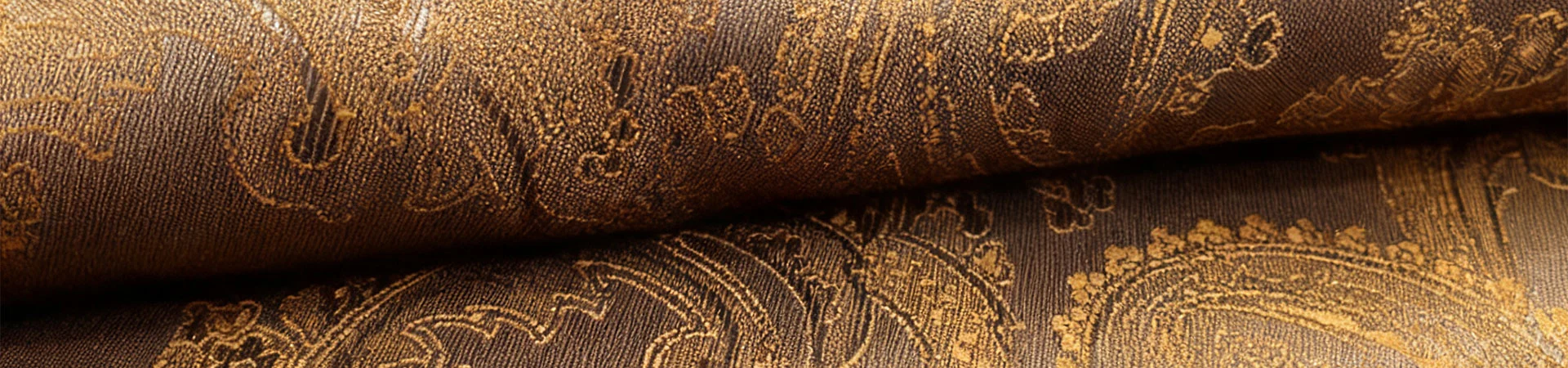
  • Practical translation: When you hold it, there is no crinkly plastic-bag rustle, nor the stiff board-like feel of a hard shell. Instead, it presents a fine matte texture with a warm, smooth hand-feel – making it ideal as a true four-season all-rounder outer layer.

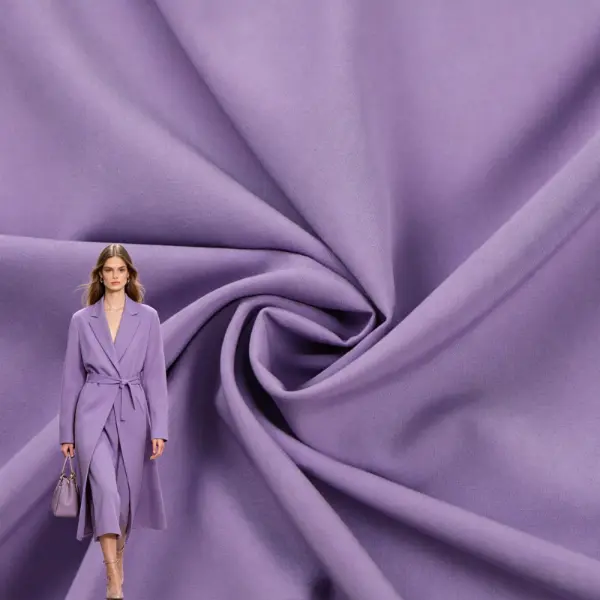
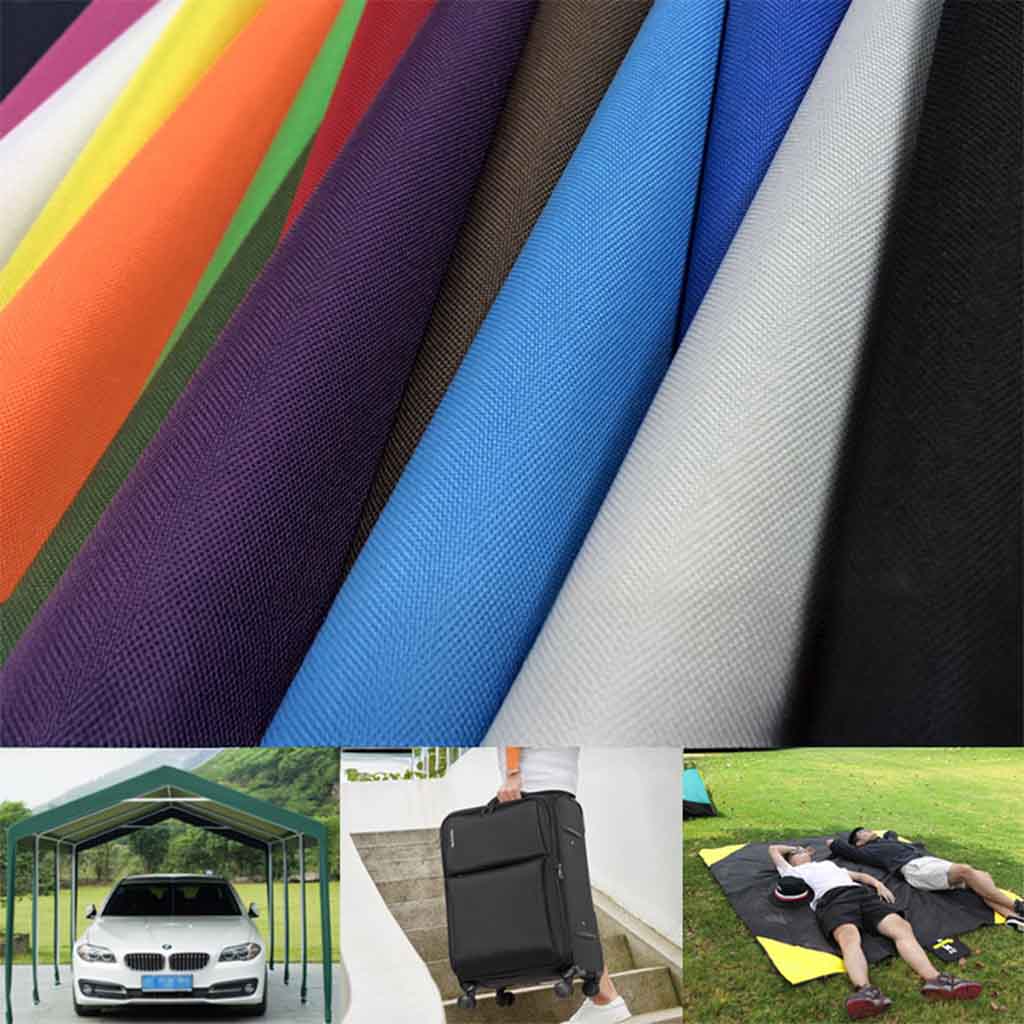
Water Resistant Windproof 4 Way Stretch Fabric

The Performance Benchmarks – The True Nature of Water Resistance and Windproofing

1. Water Resistant ≠ Waterproof

This is the single most critical distinction to understand.

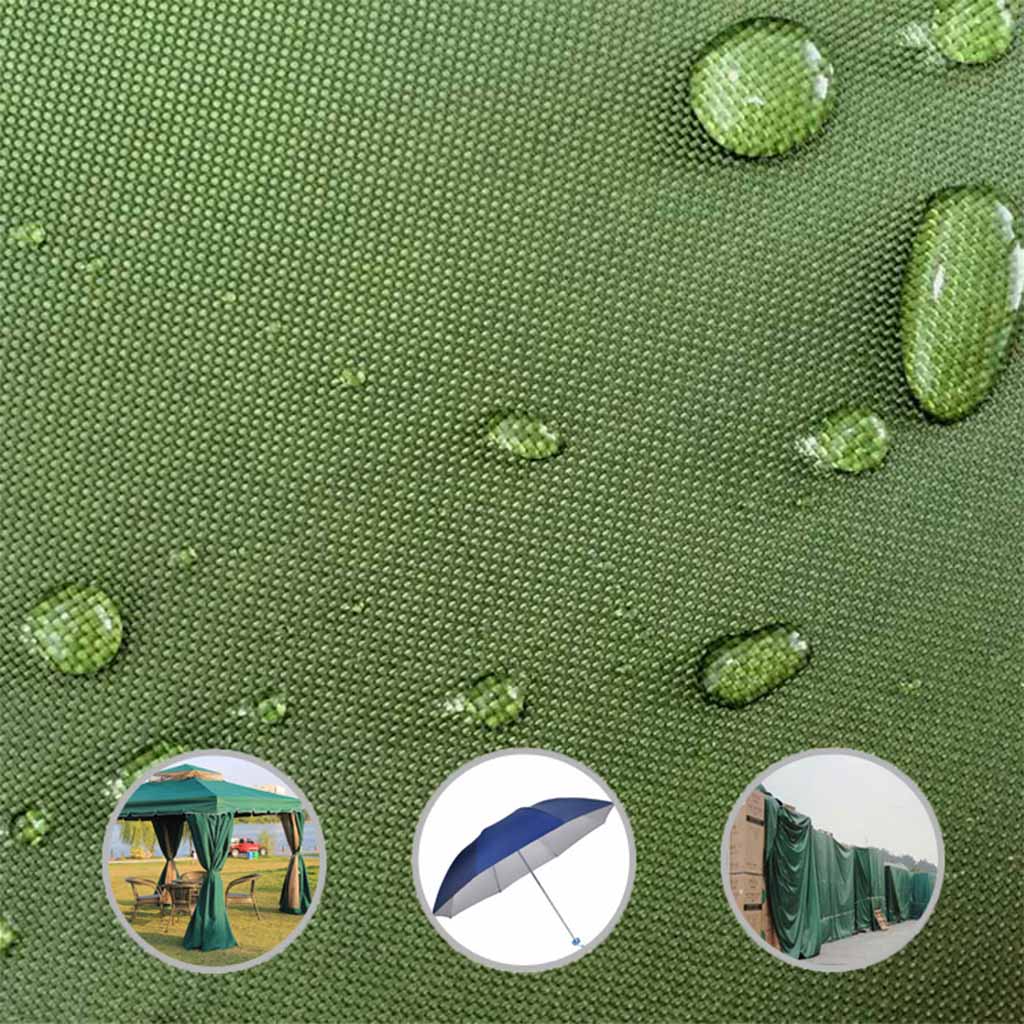
  • What it really means: When a fabric is labeled "Water Resistant," it has undergone a DWR (Durable Water Repellent) treatment. This creates a lotus-leaf effect on the surface, causing water to bead up and roll off. It confidently handles light to moderate rain, brief showers, and snow.

  • Key metric to check: Look for the hydrostatic head rating (mmH₂O) . A typical 50D 4-way stretch fabric delivers between 5,000mm and 8,000mm. In real-world terms:

  • 15 minutes of urban drizzle – completely fine.

  • Continuous pressure and friction under backpack shoulder straps – possible moisture seepage after 30 minutes.

  • 2 hours of trekking in a downpour – not recommended; this is the limit, and you should opt for a membrane-equipped hard shell.

2. Windproof – The Underrated Warmth Multiplier

  • How it works: The high-density weave of 50D fabric itself forms a physical wind barrier. It effectively reduces wind speed by 80%–90%.

  • Practical value: In a Force 5 wind (approx. 30km/h), pairing this outer layer with a thin fleece underneath delivers a perceived temperature equivalent to a wind-still environment. For spring/autumn cycling or winter urban commuting, this windproof performance alone can replace bulky heavy coats, offering lightweight dynamic insulation.


The Core Soul – 4-Way Stretch

This is the feature that delivers the most tangible "ergonomic" benefit.

  • Working principle: By incorporating elastane/spandex fibers (typically 5%–10% content), the fabric achieves stretch capacity in warp, weft, and bias directions, with a recovery rate generally above 90%.
  • Real-scenario experience:

  1. Full-range motion: During climbing (high knee lifts) or cycling (forward lean), the shoulder, back, and elbow areas feel zero restriction.
  2. Layering compatibility: The fabric contours to your body shape, so even when worn over a thicker merino wool mid-layer, the outer shell never feels tight or bunched up.

  3. Resistance to bagging: High-quality 4-way stretch fabrics do not develop unsightly "knee bulges" or "seat sag" even after frequent wear.


Targeted Buying Advice Based on Your Needs

Your Primary Use Case Recommendation Key Focus Points
Urban commuting / Daily casual Highly recommended Fit and pattern matter more than specs. Prioritize designs with underarm gussets or articulated shoulders for comfort during subway rides and driving.
Light trekking / Travel / Multi-day trips Highly recommended Fabric weight (gsm) is critical. Aim for 150–180g/m² to strike the best balance between abrasion resistance and packability.
High-altitude mountaineering / Severe offshore fishing Not recommended These scenarios demand a hard shell with a proven membrane like Gore-Tex or eVent, with waterproof ratings above 20,000mm.
Winter skiing (non-competitive) Moderately recommended Suitable as an outer shell, but requires a substantial insulating mid-layer underneath. Check for goggle pockets and a fixed powder skirt as standard features.


Maintenance No-Go Zones – The Golden Rules to Extend Fabric Life

The "invisible killers" of 4-way stretch fabrics are not abrasion, but chemical contamination and heat.

Action Recommended Practice Why It Matters
Washing Close all zippers, turn garment inside out, use neutral liquid detergent, and select the synthetics/delicate cycle (water temperature ≤ 30°C / 86°F). Alkaline soaps emulsify the DWR coating; high-speed spin cycles can break elastic fibers.
Drying Hang dry in the shade, away from direct sunlight. When the fabric is half-dry, iron on the reverse side at medium-low heat, or tumble dry on low for 10 minutes. Moderate heat helps the polymers in the DWR coating re-orient themselves – this actually restores repellency (a pro-level trick).
Daily care Avoid prolonged rubbing against rough nylon backpack straps; store on wide-shouldered hangers to maintain the silhouette. Continuous friction pills the surface and weakens the adhesive bond of waterproof seam tapes.


Quick Self-Check – 5 Questions to Judge Fabric Quality

When buying or inspecting, run these simple tests:

  1. Elastic recovery test: Stretch the fabric firmly and release – does it snap back instantly? (Slow recovery indicates poor-quality spandex.)

  2. Water beading test: Drop a few water droplets onto the surface – do they form tight round beads and roll off? (Immediate wetting means the DWR is compromised.)

  3. Light transmission check: Hold the fabric against a strong light source – is the weave uniform and dense? (Visible light spots suggest uneven density, raising doubts about windproof performance.)

  4. Seam inspection: Check the seam tape – is it smooth, flat, and at least 8mm wide? (This is the final defense line against water ingress.)

  5. Rustle sound test: Crumple the fabric in your hand – is the sound low and subdued? (A sharp, crinkly noise indicates excessive chemical sizing, which severely reduces breathability.)

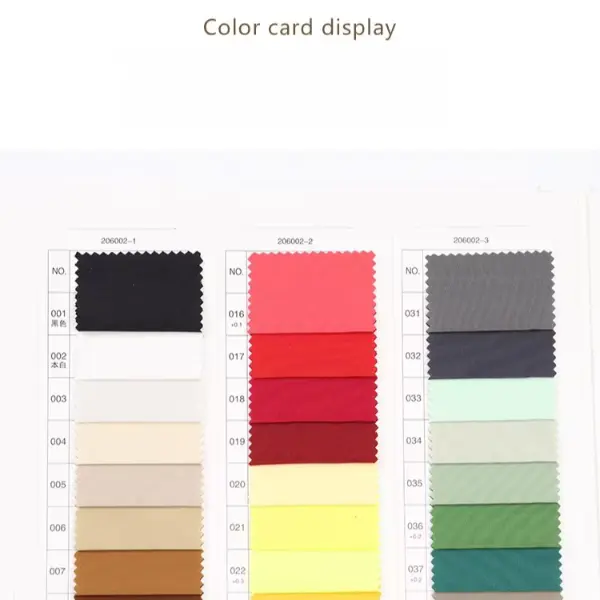
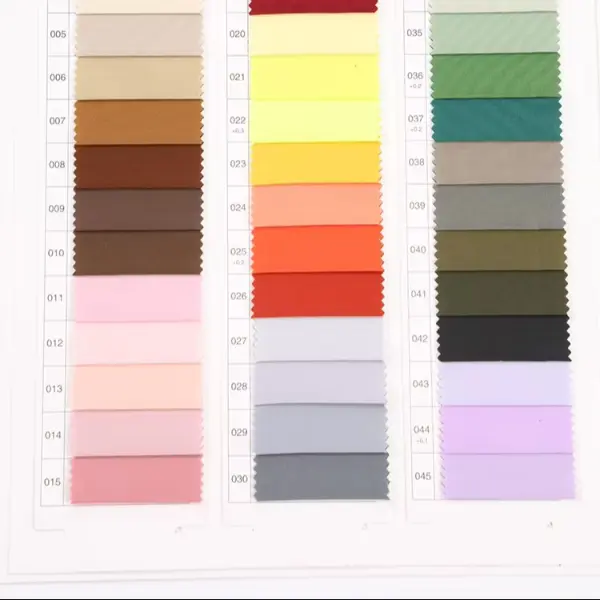
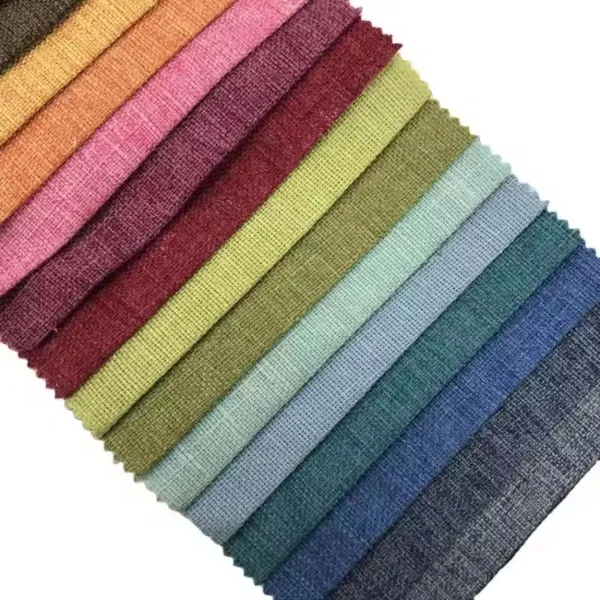
Water-resistant, windproof, 4-way stretch fabric available in various colors.Water-resistant, windproof, 4-way stretch fabric available in various colors.

The 50D Water Resistant Windproof 4 Way Stretch Fabric is an exceptionally well-balanced modern all-purpose outdoor textile. It does not chase extreme headline numbers; instead, it focuses on delivering comfort, flexibility, and refined everyday protection. By understanding its true positioning and caring for it properly, this fabric will become the most frequently worn "versatile shell" in your wardrobe.

We hope this guide provides clear, actionable decision-making support. Should you require deeper technical data or supplier sourcing advice, feel free to reach out further.

Related News
Leave me a message
X
We use cookies to offer you a better browsing experience, analyze site traffic and personalize content. By using this site, you agree to our use of cookies.Privacy Policy