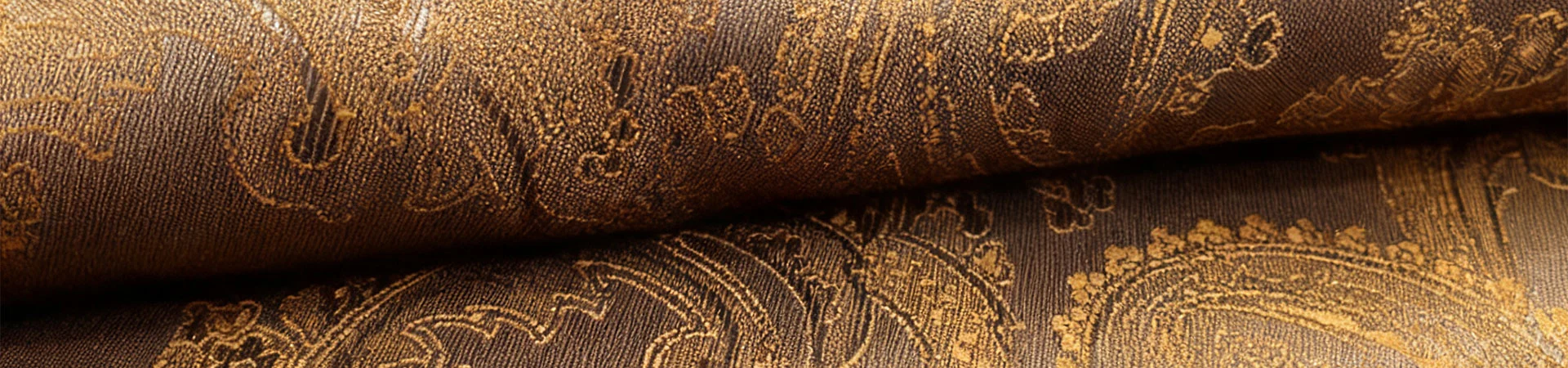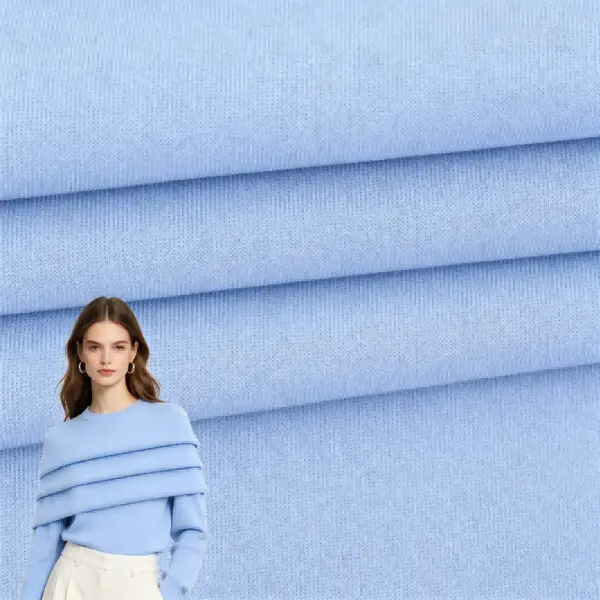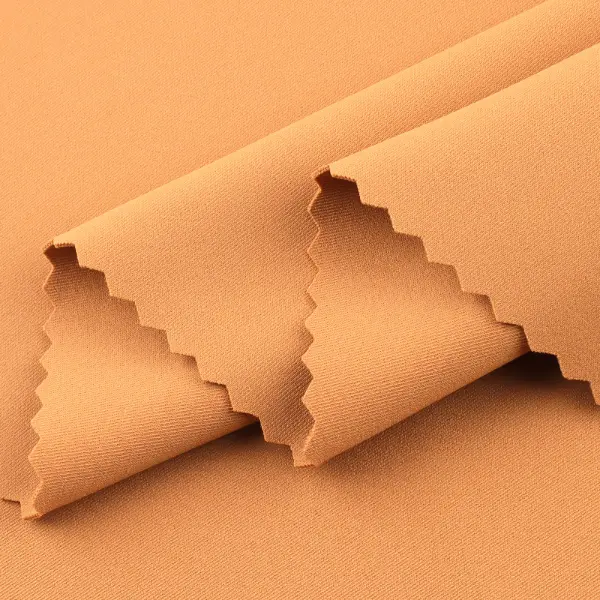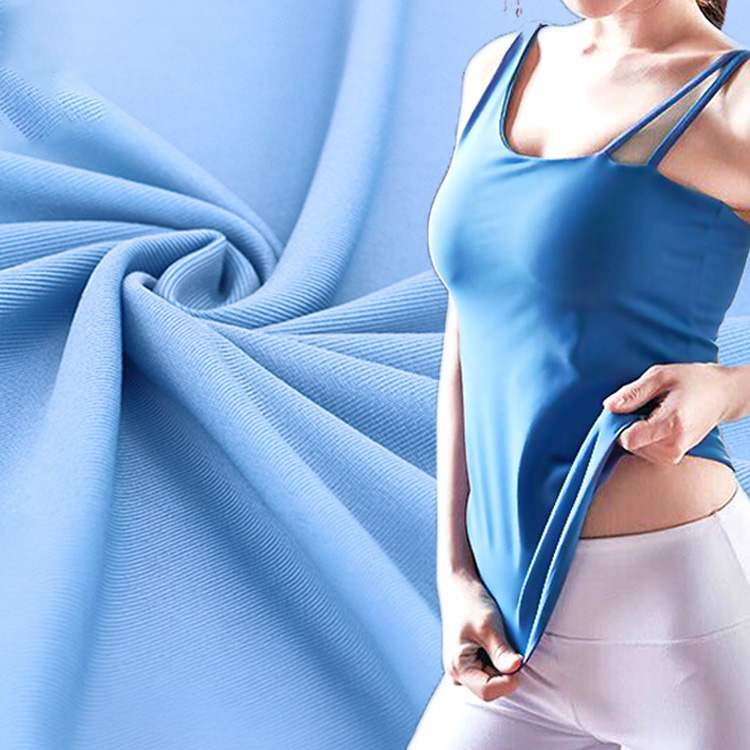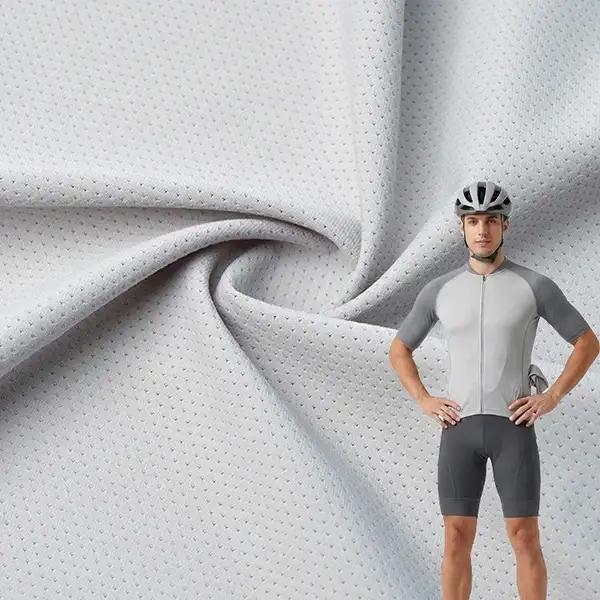
If you are working on activewear, yoga pants, or everyday athleisure garments, chances are you have come across the term "high performance knitted stretch fabric." With its unique combination of elasticity and durability, it has become one of the go-to materials in the functional apparel space. This article provides a practical, hands-on guide—covering what it is, how to select the right variant, and what to watch out for during garment production.
High performance knitted stretch fabric is defined by its knit structure (loops interlocking with loops) combined with elastomeric fibers, allowing the fabric to stretch freely and recover its original shape almost immediately. The most common and reliable combination on the market is nylon + spandex (Elastane/Lycra).
Nylon provides the backbone. It delivers strength, abrasion resistance, and a smooth surface finish. Higher nylon content generally means better durability and pilling resistance.
Spandex provides the soul. The spandex percentage determines the stretch power and recovery rate. Commercial grades typically range from 9.4% to 20% spandex content. Experienced pattern makers will tell you that 18%–20% spandex content usually offers an optimal balance of high stretch and excellent recovery, making it suitable for performance-driven form-fitting garments like compression wear and high-support sports bras.
Understanding the four stretch types: Two-way stretch (either horizontal or vertical) vs. four-way stretch (both directions). For activities that involve multi-directional movement—such as yoga, running, and cross-training—four-way stretch fabric is the more versatile and comfortable choice.

When selecting a specific fabric for production, keep these key parameters in mind:
1. Fabric Weight (g/㎡ or oz/yd²)
Lightweight grades (approx. 150–170 g/㎡) are ideal for base layers, running tees, and summer-weight garments.
Mid-weight grades (approx. 180–200 g/㎡) offer better support and compression, making them suitable for yoga leggings, cycling shorts, and sports bras.
2. Knit Construction
Single-knit (single jersey): Lighter, softer, and drapes well. Great for loose-fitting or flowy activewear.
Double-knit: Heavier, more structured, and has a clean finish on both sides. This is an excellent choice for garments that require more body, or for reversible/inside-out design details.
3. Hand Feel and Functional Finishes A high-quality fabric should feel soft to the touch, smooth against the skin, and have a cool, comfortable initial sensation. Look for fabrics with built-in moisture-wicking properties as a baseline. Additionally, some variants come with value-added finishes such as UV protection, anti-odor treatment, or antimicrobial properties—choose based on your end-use requirements.
Even the best fabric will fall apart in production if the sewing process is not handled correctly. Stretch knits have specific sewing requirements that cannot be ignored:
1. Stitch Type and Stitch Density (SPI) Seams on stretch fabrics must stretch with the garment; otherwise, thread breakage or seam popping will occur. A stitch density of 14–18 stitches per inch (SPI) is a widely accepted safe range. For high-elongation fabrics, you may want to increase the SPI slightly for better seam strength.
2. Thread Selection To match the stretch of the fabric, the sewing thread itself must have elasticity. For overlock and coverstitch operations, use stretch threads such as nylon- or polyester-core spun threads that can elongate and recover along with the fabric.
3. Differential Feed Adjustment This is one of the most critical machine settings. The differential feed mechanism on overlock machines must be calibrated correctly. Set the front feed dog to move slightly faster than the rear feed dog — this pushes the fabric forward gently and prevents the finished seam from puckering or forming wavy, distorted edges.
4. Needle Selection (Avoiding Needle Cut) Stretch knits are prone to needle damage—the needle can sever fibers rather than separate them, resulting in small holes (needle cuts or pinholes). Always use ballpoint (rounded tip) needles, which push between the yarns rather than piercing through them. This minimizes fiber damage and preserves the fabric's integrity.
For end consumers, proper care makes a significant difference in the longevity of high-performance stretch garments. Practical care tips include:
Machine wash in cold water with similar colors.
Avoid high-heat drying — tumble dry low or air-dry.
Separate dark and light colors to prevent dye transfer.
Avoid fabric softeners, as they can coat the fibers and reduce moisture-wicking performance over time.
High performance knitted stretch fabric ultimately excels because it brings together two seemingly contradictory qualities: strength and suppleness. By understanding its fiber composition, knit structure, weight classifications, and—most importantly—the sewing nuances required to handle it correctly, you can significantly reduce production risks and deliver garments that perform well, fit beautifully, and last through repeated wear and wash cycles. Whether you are a designer, product developer, or factory manager, mastering this fabric category is a practical investment that pays off in product quality and customer satisfaction.