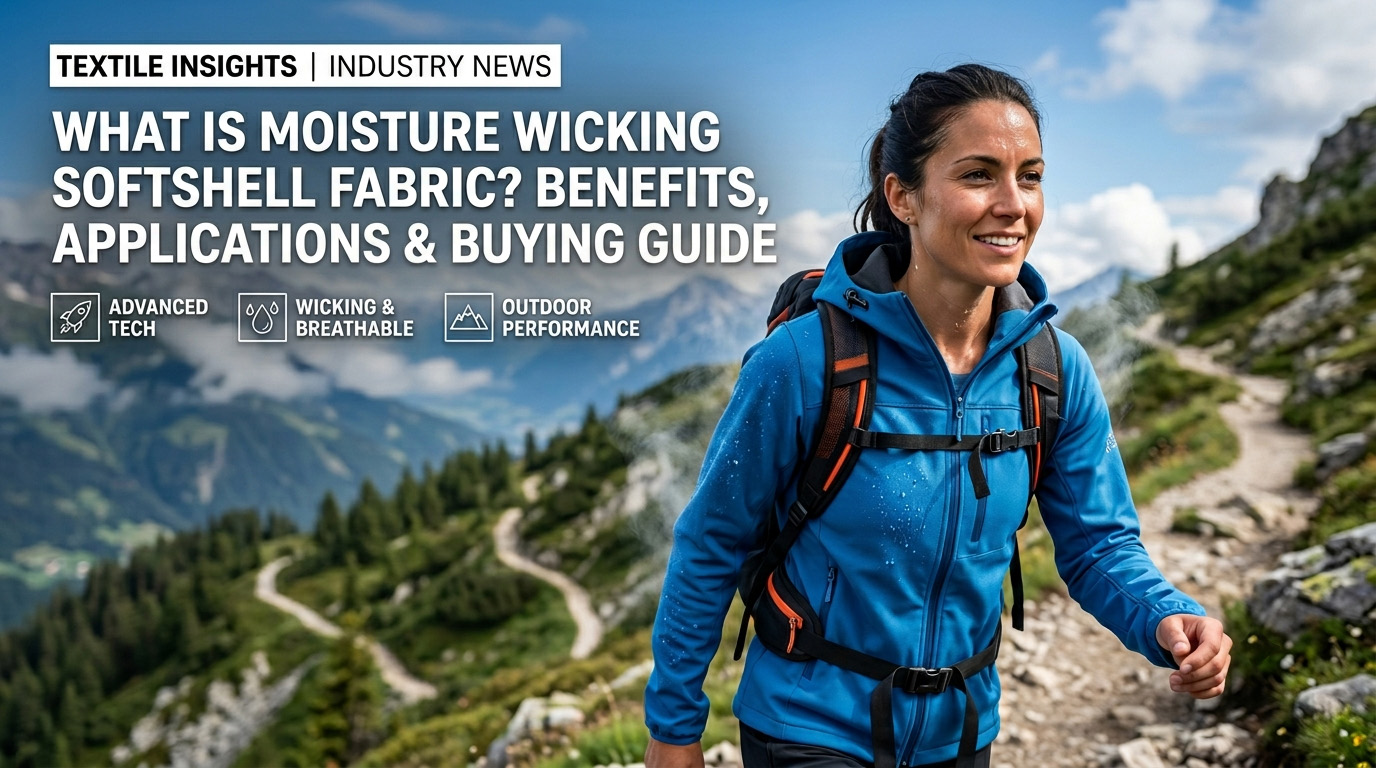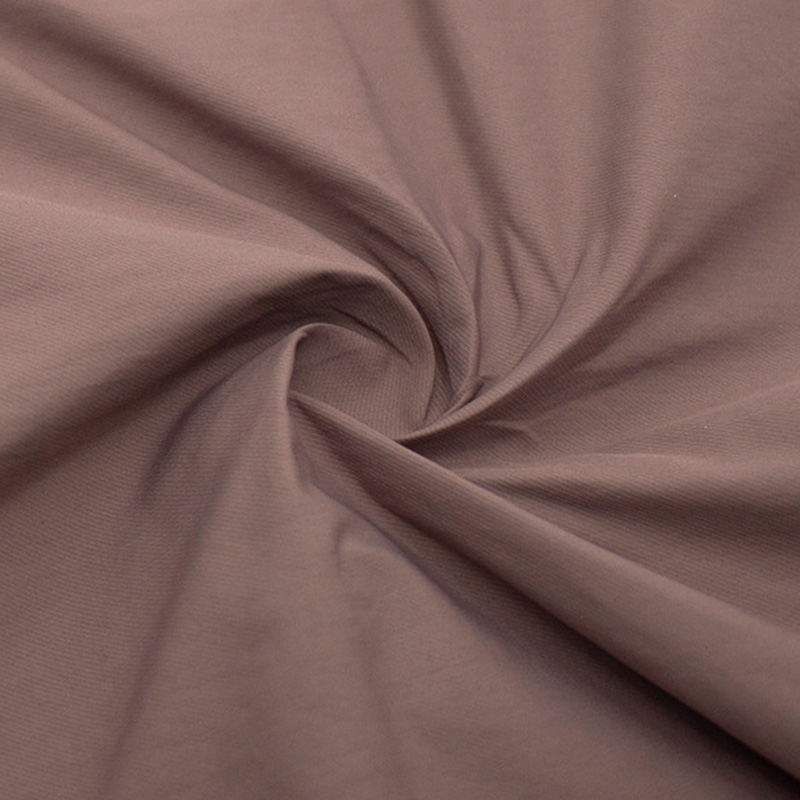
As demand for outdoor apparel, sportswear, workwear, and performance clothing continues to grow worldwide, Moisture Wicking Softshell Fabric has become one of the most widely used functional textile solutions. By combining moisture management, breathability, flexibility, weather resistance, and wearer comfort, this fabric helps users stay dry and comfortable in both everyday activities and demanding outdoor environments.
For textile manufacturers, apparel brands, and sourcing professionals, understanding the construction, performance characteristics, applications, and purchasing considerations of Moisture Wicking Softshell Fabric is critical for making informed product development and procurement decisions.
This guide explains what the fabric is, how it works, key benefits, technical parameters, application areas, and how to select the right fabric and supplier from a professional buyer’s perspective.
Moisture Wicking Softshell Fabric is a category of high-performance textiles engineered to:
Unlike traditional hardshell materials, which focus on maximum waterproofness, softshell fabrics are designed to balance protection + breathability + comfort. They are particularly suitable for activities where users are moving, sweating, and frequently changing intensity levels.
Typical core functions include:
Moisture wicking is driven by both material selection and fabric engineering. The key mechanisms include:
Moisture wicking performance can be achieved by:
Most Moisture Wicking Softshell Fabric products are based on synthetic fibers that combine fast-drying performance with durability:
In many constructions, elastane or spandex (3–15%) is incorporated to enhance mobility, comfort, and garment fit.
The primary advantage is its ability to manage sweat effectively:
For buyers, strong moisture management translates into higher end-user satisfaction and fewer complaints about discomfort during activity.
Softshell fabrics are designed to breathe:
Compared to fully waterproof hardshells, moisture wicking softshells are more comfortable for stop-and-go activity, daily commuting, and multi-hour wear.
While not usually fully waterproof, many softshell fabrics provide:
This makes them ideal for “high-output in mixed weather” where complete waterproofness is less important than breathability and comfort.
Softshells are built for movement and frequent use:
They are a go-to choice for hiking, cycling, climbing, industrial workwear, and uniforms that face daily wear and tear.
| Feature | Moisture Wicking Softshell Fabric | Hardshell Fabric |
| Breathability | High | Moderate |
| Flexibility | Excellent | Limited |
| Comfort | High | Moderate |
| Water Resistance | Moderate to High | Very High (waterproof) |
| Wind Resistance | High | Very High |
| Weight | Lightweight | Moderate |
| Noise During Movement | Low (quiet) | Higher (crinkly) |
| Everyday Wearability | Excellent | Limited |
Two-layer softshells typically combine:
Key features:
Three-layer softshells usually include:
Outer shell fabric
Functional membrane
Inner lining or fleece backing
Advantages:
Membrane options:
Backing materials:
Fabric weight (grams per square meter) directly influences:
| Fabric Weight | Typical Range | Common Applications |
| Lightweight | 120–200 GSM | Running wear, cycling apparel, base or light mid-layers |
| Medium Weight | 200–300 GSM | Hiking jackets, multipurpose activewear, all-round outdoor use |
| Heavyweight | 300+ GSM | Workwear, winter outerwear, tactical garments |
Designers and buyers should match GSM to climate, end use, and layering system.
Stretch is often defined in terms of:
Key parameters:
Higher stretch and strong recovery are vital for:
Water resistance is commonly measured by hydrostatic pressure (mm):
Buyers should clarify:
MVTR (g/m²/24h) quantifies how much moisture vapor can pass through the fabric.
When balancing MVTR vs. waterproofness, consider:
DWR is a surface treatment that makes water bead and roll off the fabric.
Benefits:
Key points for buyers:
Antimicrobial finishes control the growth of odor-causing bacteria.
Advantages:
Buyers should confirm:
UV-protective finishes or constructions are increasingly requested for outdoor markets.
Benefits:
Sustainability expectations are reshaping finishing chemistry:
These solutions help brands:
Typical outdoor uses include:
Key requirements:
Performance sportswear relies on moisture wicking softshells for:
Here, comfort and moisture management are often more important than absolute waterproofness.
In industrial and professional environments, softshell fabrics:
Common applications:
Tactical and specialty garments often demand:
Softshell fabrics are widely adopted in:
Before committing to a fabric, buyers should evaluate:
Small pre-production runs and wearer trials are recommended for critical programs.
Consistent quality is essential for repeat orders and large programs. Key indicators:
Brands should insist on laboratory reports, clear specifications, and standardized internal testing procedures.
A reliable textile partner is as important as the fabric itself. When evaluating suppliers, consider:
Experienced suppliers such as Ningbo Nashe Textile Co., Ltd can provide technical guidance, recommend suitable fabric constructions, and develop customized solutions based on specific project requirements. For detailed specifications and sourcing support, buyers may contact our team to discuss target performance, price points, and timelines.
The future of Moisture Wicking Softshell Fabric is defined by higher performance with lower environmental impact.
Key directions include:
As regulations tighten and consumers become more aware, fabrics that combine technical performance + credible sustainability will gain a competitive edge.
Moisture Wicking Softshell Fabric has become a cornerstone material for modern outdoor apparel, sportswear, workwear, and tactical garments. By combining moisture management, breathability, flexibility, durability, and weather resistance, it delivers the balanced performance that today’s users expect.
For textile buyers, designers, and sourcing professionals, the key to successful product development lies in:
As innovation in fibers, membranes, and eco-friendly finishes continues, moisture wicking softshell fabrics will play an even larger role in building the next generation of functional and sustainable apparel.
Most moisture wicking softshell fabrics are made from polyester or nylon, often blended with elastane/spandex for stretch. Recycled polyester options are increasingly available for brands focusing on sustainability.
Typically, softshell fabrics are water-resistant, not fully waterproof. They provide good protection in light to moderate rain, especially when combined with a functional membrane and DWR finish, but they are not designed for extreme, prolonged downpours like technical hardshells.
For versatile outdoor jackets, 200–300 GSM medium-weight softshells are common. They offer a good balance of warmth, durability, and comfort, and can be layered over base- and mid-layers.
Moisture-wicking performance is typically assessed through:
Yes. Many manufacturers now offer:
These solutions help brands achieve both performance and environmental objectives in their product lines.